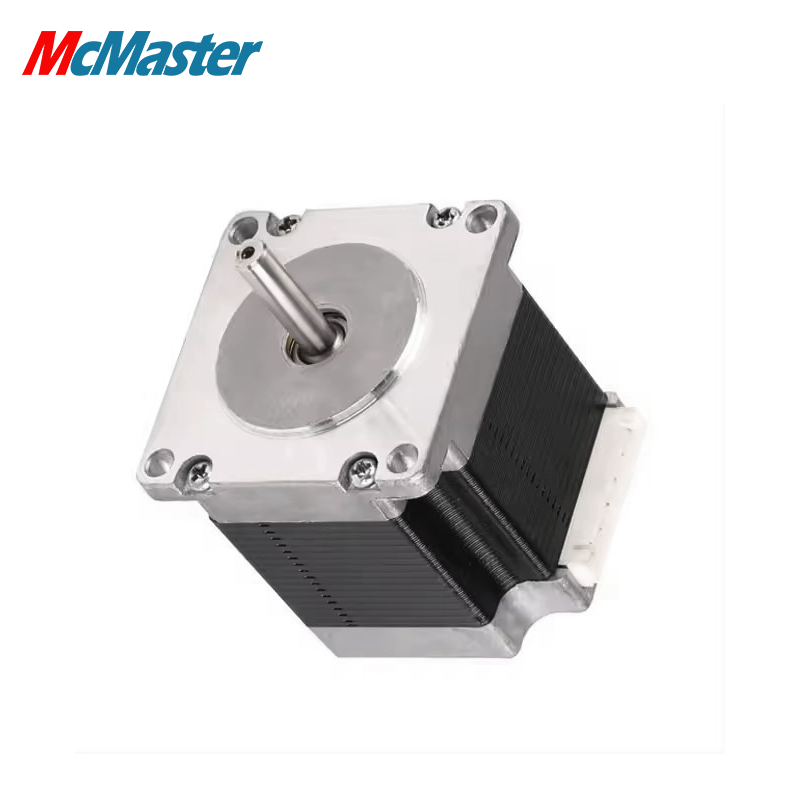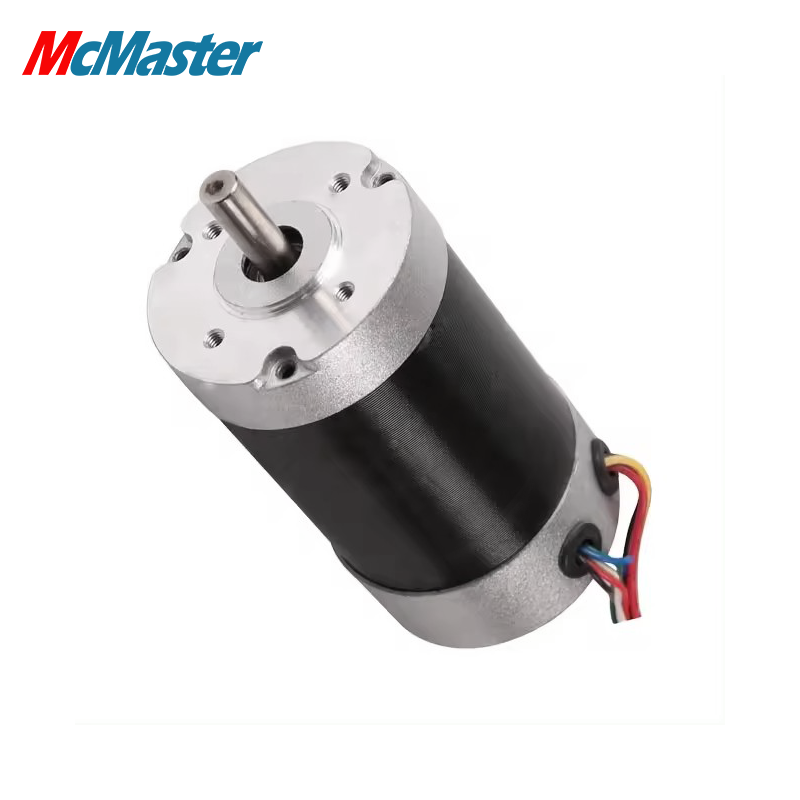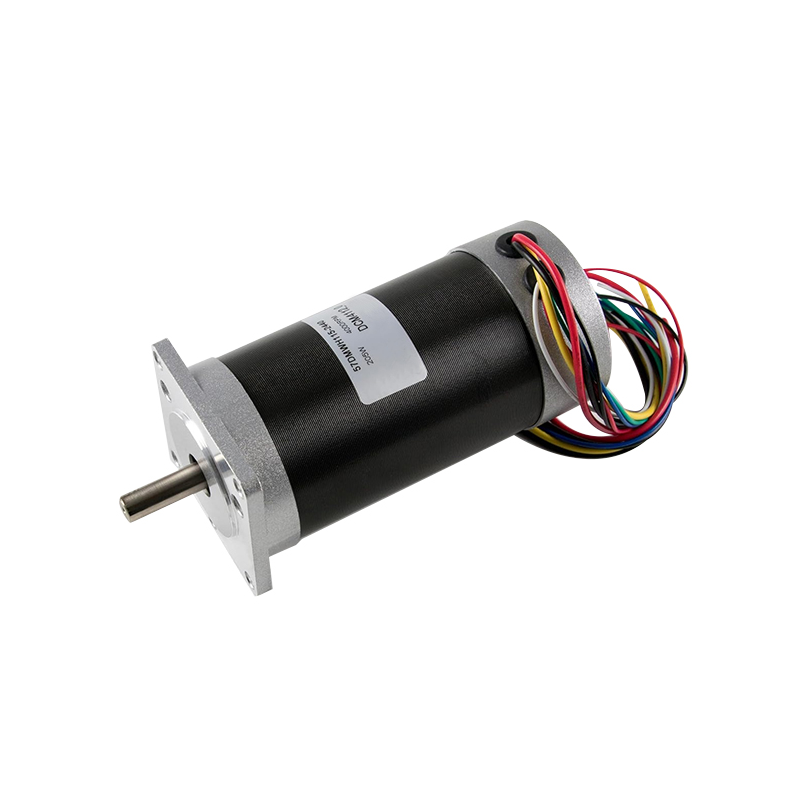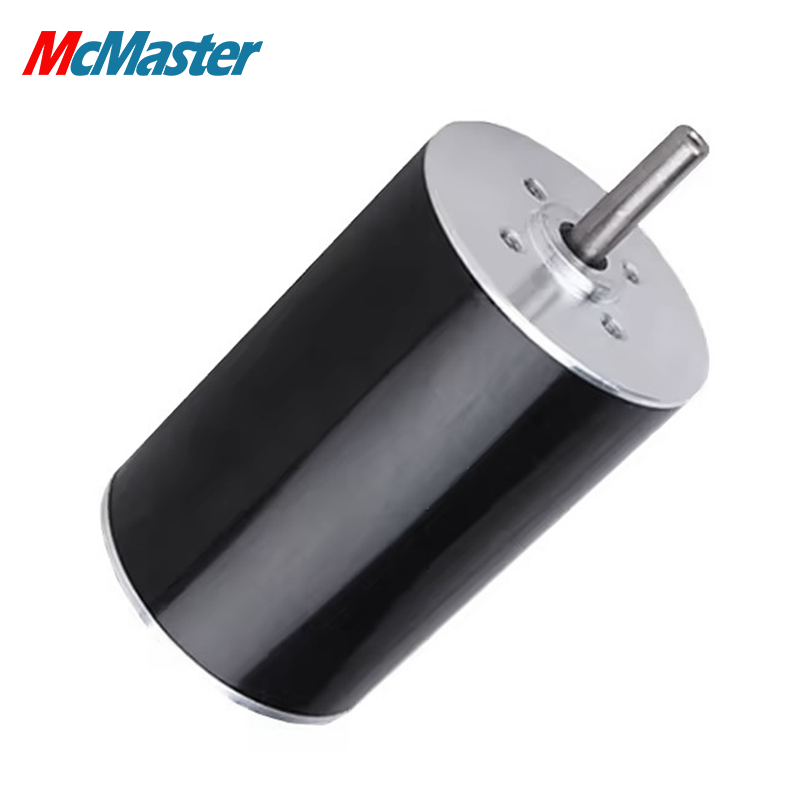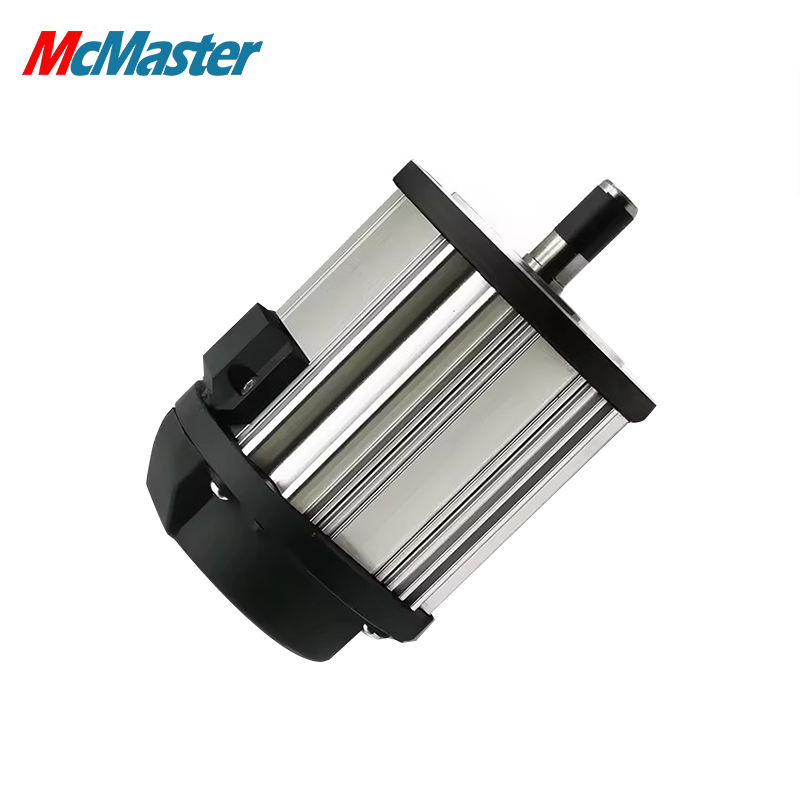
Brushless electric motors are a crucial component in a wide range of applications, offering efficiency and reliability in various industrial and commercial settings. As a B2B buyer, your primary concerns might include selecting the right brushless motor for your specific needs, understanding the specifications, and evaluating the total cost of ownership. This article aims to provide you with the essential insights needed to make informed decisions when purchasing brushless electric motors, including technical specifications, bulk order considerations, cost factors, and applications across different industries.
Selecting the appropriate brushless electric motor involves several critical factors. Firstly, consider the application requirements, including operational speed, torque, and load capacity. Brushless electric motors are known for their high efficiency and longevity, making them suitable for applications requiring consistent performance, such as automation systems, robotics, and consumer electronics.
You should also evaluate the environmental conditions where the motor will operate. Factors such as temperature, humidity, and potential exposure to contaminants can influence the choice of materials and motor design. For instance, if the brushless direct current motor is to operate in a high-temperature environment, ensure that the materials can withstand such conditions without compromising performance.
Furthermore, assess the compatibility of the motor with existing systems. This includes ensuring that the motor's dimensions and connections align with your current equipment. Customization options may also be available, allowing you to tailor the motor to meet specific requirements, such as unique mounting configurations or electrical specifications.
When placing bulk orders for brushless electric motors, several considerations come into play. One of the most critical aspects is the minimum order quantity (MOQ), which can vary significantly between manufacturers. Understanding the MOQ is essential to avoid overcommitting to inventory that may not be needed.
Additionally, consider the lead time for production and delivery. This can affect your project timelines, especially if you are working on a tight schedule. Be sure to communicate your timeline with the supplier to ensure they can accommodate your needs.
It's also advisable to request samples before committing to a bulk order. This allows you to evaluate the motor's performance under real conditions and confirm that it meets your specifications. Look for any potential issues that could arise during installation or operation.
Lastly, discuss packaging and shipping methods with your supplier. Proper packaging is vital to prevent damage during transit. Ensure that the supplier has robust quality control processes in place to guarantee that the motors arrive in optimal condition.
Understanding the specifications of brushless electric motors is crucial for making informed purchasing decisions. Key specifications include voltage rating, current rating, power output, and efficiency. For example, the voltage rating determines the electrical supply required for the motor, while the current rating indicates the amount of current the motor will draw during operation.
The power output, often measured in watts or kilowatts, indicates the motor's capability to perform work. Efficiency ratings are essential, as they reflect how effectively the motor converts electrical energy into mechanical energy. Higher efficiency can lead to lower operational costs and extended motor life.
Buyers should also consider thermal characteristics such as thermal resistance and maximum operating temperature. These factors can affect the motor's performance and longevity. It’s advisable to verify these specifications with the manufacturer to ensure they align with your application requirements.
The total cost of ownership for brushless electric motors can be influenced by several factors beyond the initial purchase price. First, consider the motor's efficiency, as a more efficient motor can lead to significant savings in energy costs over its lifespan. Additionally, factor in maintenance costs; brushless ec motor typically require less maintenance than brushed counterparts, which can translate into lower long-term expenses.
Another cost consideration is the potential need for additional components, such as controllers or drivers, to operate the motor effectively. Ensure that you account for these additional expenses when budgeting for your purchase.
Transportation costs should also be factored into the overall cost assessment. Depending on the distance and shipping methods, these can vary considerably. Discuss shipping options with your supplier to find the most cost-effective solution.
Lastly, don't overlook the impact of customization on pricing. While custom features can enhance performance, they can also increase costs. Weigh the benefits of customization against the associated expenses to determine the best approach for your application.
Brushless electric motors have a wide range of applications across multiple industries due to their efficiency, reliability, and low maintenance requirements. In the automation sector, these motors are commonly used in conveyor systems, robotics, and automated manufacturing processes. Their precision and control capabilities make them ideal for tasks that require accurate movement and positioning.
In the consumer electronics industry, brushless motors power devices such as drones, electric vehicles, and home appliances. Their compact design and quiet operation are significant advantages in these applications.
The automotive industry also leverages brushless electric motors for various functions, including electric power steering and traction control systems. The motors' ability to deliver high torque at low speeds is particularly beneficial in these scenarios.
Furthermore, in the medical sector, brushless motors are used in equipment such as surgical tools and imaging devices, where precision and reliability are paramount. With the ongoing advancements in technology, the applications for brushless electric motors continue to expand, making them a versatile choice for manufacturers across industries.
By understanding the nuances of brushless electric motors, you can make more informed decisions that align with your operational needs and budget constraints, ensuring successful implementation and performance in your projects.

 EN