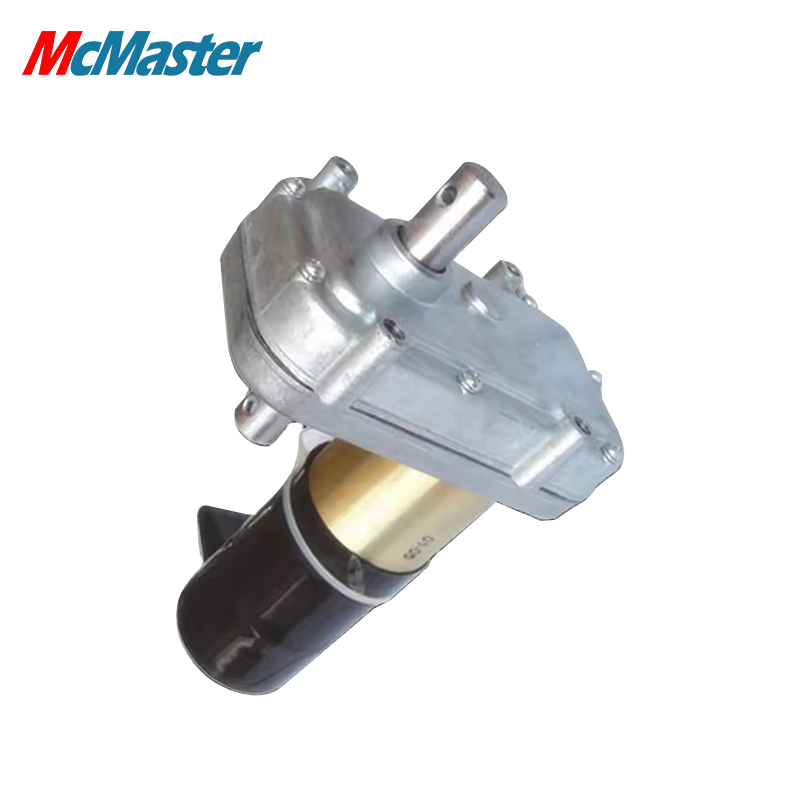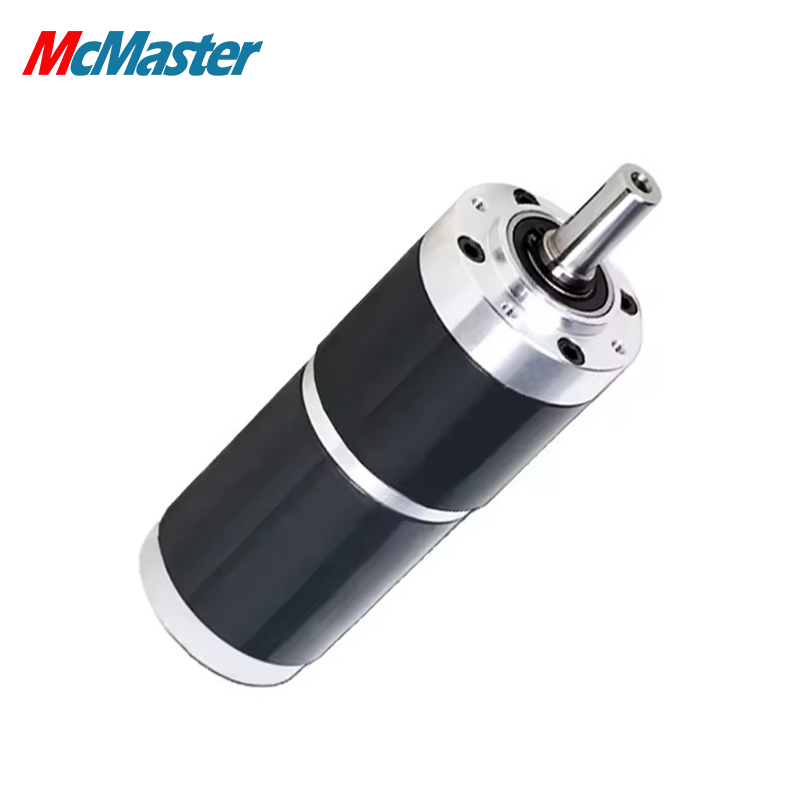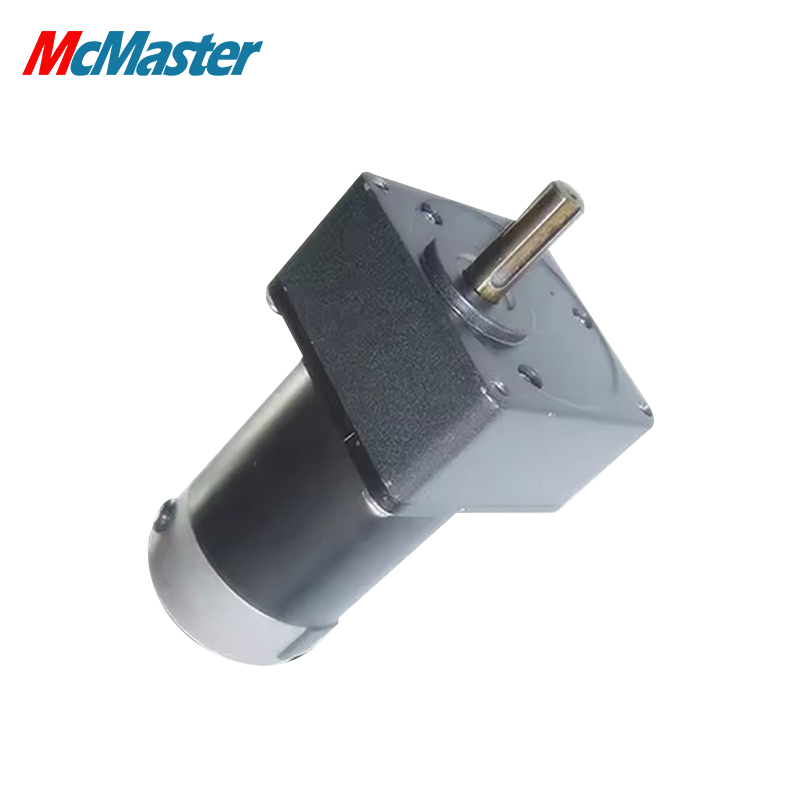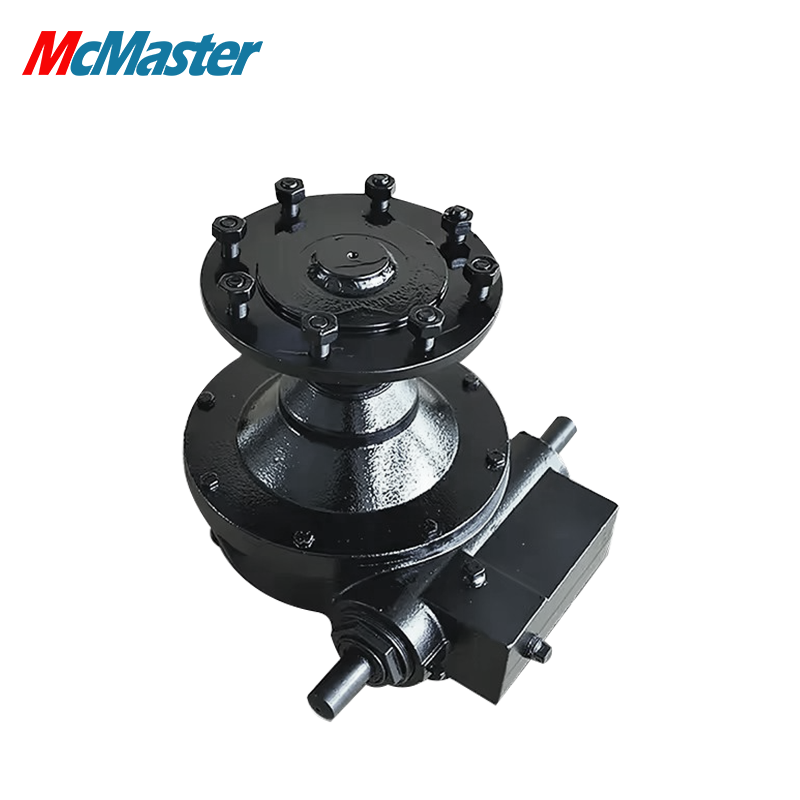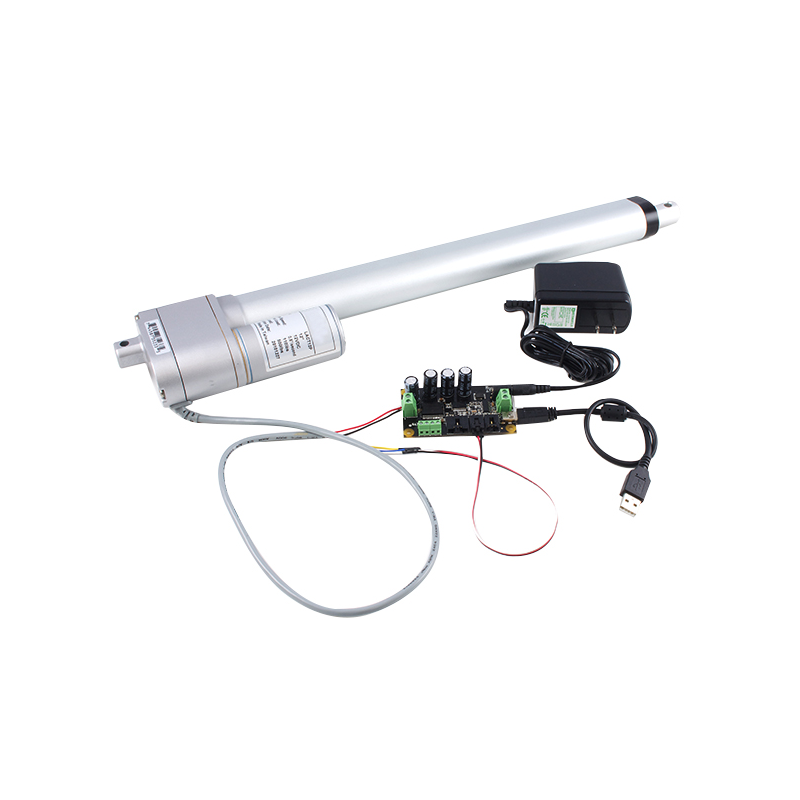
Lift actuators are essential components in various industries, providing controlled movement for lifting, lowering, and positioning heavy loads. For B2B buyers, sourcing the right lift actuators involves understanding key specifications, assessing manufacturer reliability, and ensuring compatibility with specific applications. This article aims to equip purchasing managers, engineers, and product managers with the essential knowledge needed to make informed decisions when selecting lift linear actuator for their business needs.
When sourcing lift actuators, several key specifications should be evaluated to ensure optimal performance.
Load Capacity: This specification indicates the maximum weight the actuator can handle. It's crucial for buyers to assess the anticipated load requirements of their applications to avoid overloading the actuator, which can lead to failure.
Stroke Length: The stroke length defines the distance the actuator can move. Buyers should determine the required range of motion for their specific application to ensure that the actuator can achieve the desired positioning.
Speed and Control: Actuator speed affects how quickly loads can be moved. Understanding whether precise control is necessary or if high-speed operation is required will influence the type of industrial linear actuator chosen.
Power Source: Lift actuators can be powered by electric, hydraulic, or pneumatic systems. Each power source has its advantages and limitations. For example, electric actuators are typically easier to integrate into automated systems, while hydraulic actuators provide higher force but may require additional maintenance.
Material and Environmental Resistance: The choice of materials impacts durability and suitability for specific environments. Considerations such as corrosion resistance, temperature tolerance, and exposure to chemicals should be assessed based on the intended application.
Mounting Options: Different mounting configurations can affect installation and integration with existing systems. Buyers should verify that the actuator's mounting style aligns with their machinery or structure.
By thoroughly evaluating these specifications, buyers can ensure that they select lift actuators that meet their operational requirements and enhance overall efficiency.
Finding reliable manufacturers of lift actuators is a critical step in ensuring product quality and performance. Here are some strategies to identify trustworthy suppliers:
Industry Experience: Look for manufacturers like Changzhou McMaster Electric, which has over 20 years of experience in electrification and automation. Established companies often have a proven track record of producing reliable products.
Certifications: Check for industry-specific certifications that demonstrate adherence to quality standards, such as ISO certifications. These certifications indicate that the manufacturer has effective quality control processes in place.
Production Capabilities: Assess the manufacturer's production capabilities, including their equipment and technology. A company that utilizes advanced manufacturing techniques is more likely to produce high-quality electric lift actuators.
Customer Reviews and References: Research customer feedback and case studies to gauge satisfaction levels. Speaking with current clients can provide insight into the manufacturer's reliability and support services.
After-Sales Support: Evaluate the availability of technical support and warranty options. A manufacturer that offers responsive after-sales service can help address any issues that may arise post-purchase.
By following these guidelines, buyers can identify manufacturers that not only meet their product needs but also align with their quality and service expectations.
Proper installation of lift actuators is essential for maximizing their performance and lifespan. Here are key considerations:
Pre-Installation Assessment: Before installation, assess the site conditions to ensure compatibility with the actuator's specifications. Verify that the power supply and mounting surfaces are suitable for the actuator's requirements.
Follow Manufacturer Guidelines: Always refer to the manufacturer's installation manual for specific instructions. Adhering to guidelines regarding wiring, mounting, and adjustments can prevent operational issues.
Alignment and Calibration: Ensure that the actuator is aligned correctly with the load path to avoid undue stress on the components. Calibration may be necessary to fine-tune settings for optimal performance.
Testing: After installation, conduct tests to confirm that the actuator operates as expected. Monitor for any signs of unusual noise or movement, which may indicate misalignment or other installation issues.
Regular Maintenance: Implement a maintenance schedule to inspect the actuator regularly. This may include checking connections, lubricating moving parts, and ensuring that the actuator remains free from debris.
Following these installation and maintenance guidelines can enhance the reliability and efficiency of lift actuators in various applications.
Lift actuators are versatile components used across multiple industries, each with specific application requirements. Here are some notable applications:
Manufacturing and Assembly: In manufacturing environments, lift actuators facilitate the automation of assembly lines by positioning heavy components accurately and efficiently.
Healthcare: In the medical sector, lift actuators are used in equipment such as hospital beds and patient lifts, ensuring safe and reliable movement for patient care.
Automotive: The automotive industry employs lift actuators in assembly processes, such as lifting car frames for component installation, improving precision and efficiency.
Robotics: In robotics, lift actuators enable precise movements in robotic arms, enhancing capabilities in tasks ranging from welding to material handling.
IoT Applications: With the rise of IoT, lift actuators are increasingly integrated into smart systems, allowing for remote monitoring and control, optimizing operational efficiency.
Understanding these applications helps buyers identify the most suitable lift actuators for their specific industry needs, ensuring they meet the unique demands of their projects.
Sourcing high-quality lift actuators requires a strategic approach to ensure that you are partnering with reliable suppliers. Here are some effective sourcing strategies:
Directly from Manufacturers: Engaging directly with manufacturers like Changzhou McMaster Electric can provide access to high-quality products and customization options tailored to specific needs.
Industry Trade Shows: Attending industry trade shows offers opportunities to connect with multiple suppliers, compare products, and gain insights into the latest technology and trends in lift actuators.
Online Marketplaces: Platforms such as Alibaba or ThomasNet can help identify various suppliers. However, always conduct thorough due diligence to verify the credibility of these suppliers before making a purchase.
Local Distributors: Working with local distributors can simplify the procurement process, providing quicker access to products and local support services.
Requesting Samples: Before committing to a large order, request samples to evaluate the actuator's quality, performance, and compatibility with your systems. This step can prevent costly mistakes down the line.
By employing these sourcing strategies, buyers can ensure they acquire high-quality lift actuators that meet their operational requirements and contribute to the efficiency of their applications.

 EN