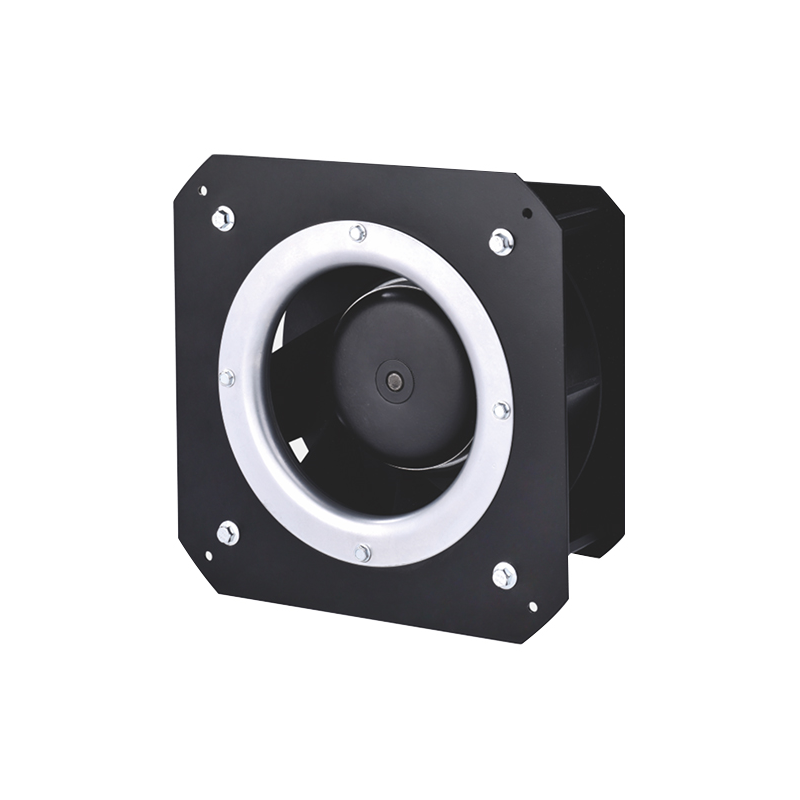
910mm AC axial fans are essential components in various industrial applications, providing efficient airflow and cooling solutions. As a B2B buyer, your primary concerns when considering these fans include quality, reliability, and suitability for your specific applications. This article will guide you through evaluating the quality of 910mm AC axial fan hvac, finding reliable suppliers, installation guidelines, cost factors, and their applications across different industries.
When assessing the quality of 910mm AC axial fans, consider several critical specifications and factors. First, examine the materials used in manufacturing. High-quality fans typically utilize durable materials like aluminum or high-grade plastics that can withstand the operational environment, including temperature fluctuations and potential chemical exposure.
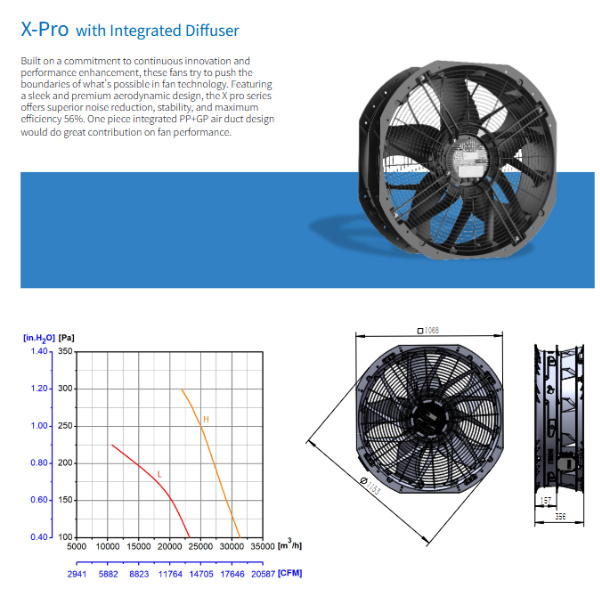
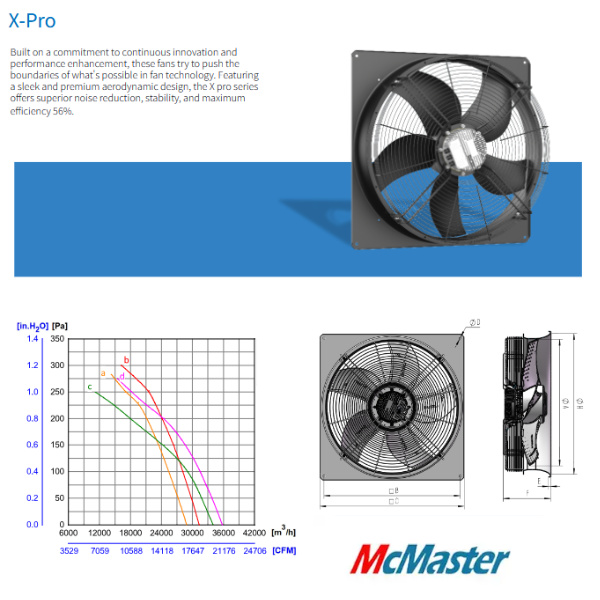
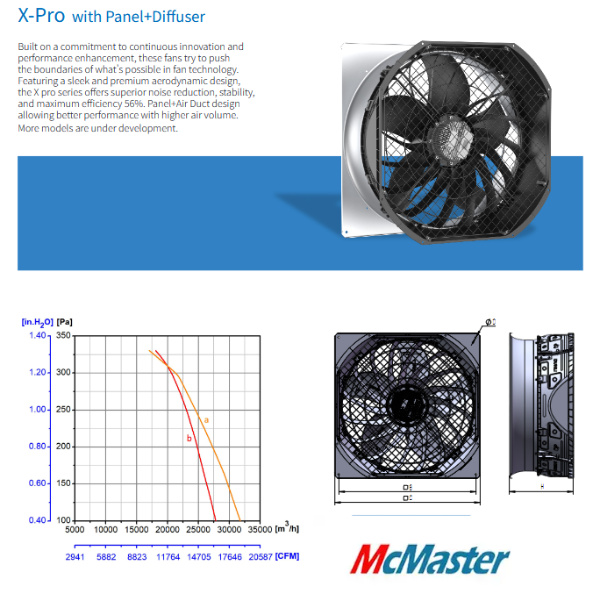
Next, assess the fan's performance metrics, such as airflow rate (measured in cubic meters per hour) and static pressure. These metrics directly influence the fan's efficiency and suitability for your application. A fan that delivers insufficient airflow can lead to overheating and operational failures, so ensure you select a model that meets your project's airflow requirements.
Quality control processes are also vital. Investigate whether the manufacturer implements rigorous testing procedures during production, including balancing tests to minimize vibration and noise levels. Certifications such as ISO 9001 can further indicate a commitment to quality management practices. Finally, requesting samples before mass production is advisable, enabling you to evaluate the fan's performance under actual operating conditions.
Finding reliable suppliers for 910mm AC axial fans involves researching manufacturers with a solid track record in the industry. Start by looking for companies that have been in business for several years and have a portfolio of satisfied clients across diverse applications. Changzhou McMaster Electric, for example, has over 20 years of experience and serves clients in 150 countries, demonstrating its ability to meet various industrial needs.
You can also leverage industry networks and trade shows to connect with potential suppliers. Attending events allows you to engage with manufacturers directly, ask questions about their products, and assess their capabilities. Online platforms, such as B2B marketplaces, can also be useful for comparing ac axial fan manufacturers and reviewing customer feedback and ratings.
Before finalizing your supplier choice, request references from past clients. This will provide insights into the supplier's reliability, quality control, and customer service.
Proper installation of 910mm AC axial fans is crucial for optimal performance and longevity. Begin by selecting a suitable location that allows for adequate airflow and minimizes potential obstructions. The installation site should be dry and well-ventilated to prevent moisture accumulation that could damage the fan components.
Ensure that the fans are mounted securely, following the manufacturer's guidelines to prevent vibrations that could lead to mechanical failure. It's often beneficial to install vibration isolation mounts to reduce noise and prolong the fan's lifespan.
Additionally, electrical connections should be handled by qualified personnel to ensure compliance with safety standards. Proper grounding of the fan is essential to prevent electrical hazards. After installation, conduct thorough testing to verify that the fan operates smoothly and meets the expected performance metrics.
When evaluating the cost of 910mm AC axial fans, consider several factors that can influence the overall expenditure. The initial purchase price is just one component; buyers should also factor in shipping costs, potential duties, and taxes if importing from overseas suppliers.
Volume discounts are often available for bulk orders, so assess your project's needs and consider purchasing larger quantities if feasible. Additionally, inquire about the minimum order quantity (MOQ), as this can impact your overall cost.
Long-term operational costs should also be taken into account. Energy efficiency is a critical aspect; fans with higher efficiency ratings may have a higher upfront cost but can lead to significant savings over time through reduced energy bills. Lastly, factor in maintenance costs, including potential repairs and the availability of replacement parts.
910mm AC axial fans find applications across a wide range of industries due to their efficient airflow capabilities. In the automotive sector, they are commonly used for cooling engine compartments and maintaining optimal temperatures in assembly lines. Their robust design allows them to handle the heat generated in these environments effectively.
In the HVAC industry, these fans are integral to ventilation systems, providing necessary airflow in commercial buildings and industrial facilities. Their ability to move large volumes of air makes them ideal for climate control and air quality management.
The electronics sector also benefits from 910mm AC axial fans, particularly in cooling electronic enclosures. Ensuring that sensitive components maintain safe operating temperatures is crucial for performance and longevity.
Moreover, 910mm AC axial fans are increasingly utilized in renewable energy applications, such as cooling systems for solar inverters and battery storage units, contributing to greater sustainability in energy management.
Understanding the various factors related to the quality, installation, and applications of 910mm axial motor fan can significantly impact your purchasing decisions. By carefully evaluating suppliers and considering long-term operational costs, you can make informed choices that align with your project's requirements.

 EN