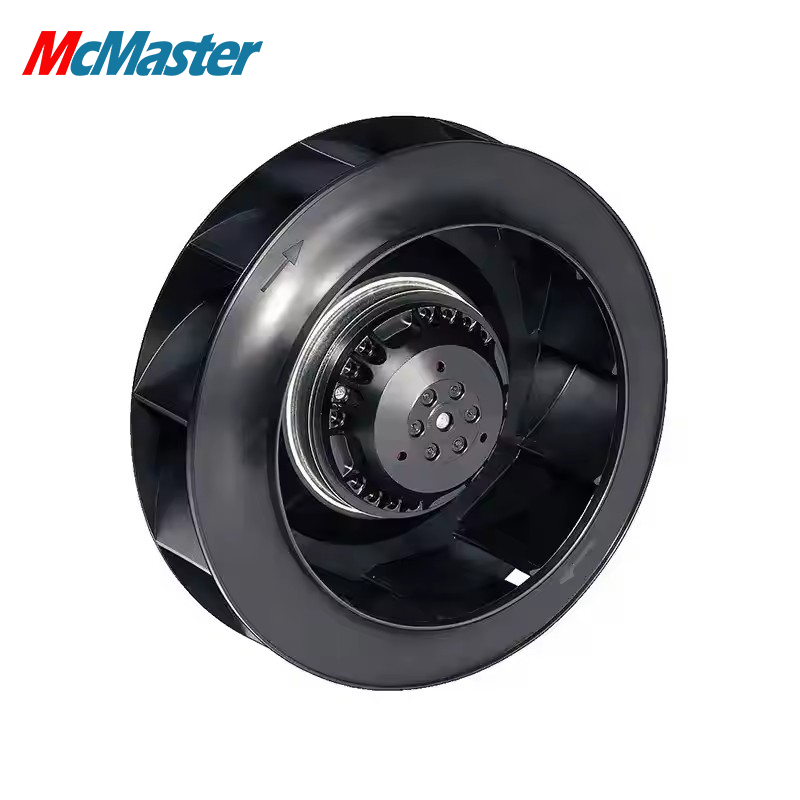
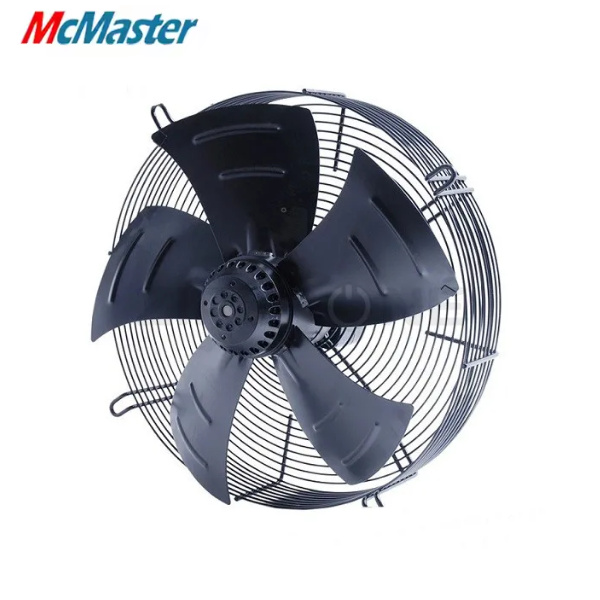
AC axial fans are essential components in various industrial and commercial applications, providing efficient airflow and cooling solutions. As B2B buyers, understanding the options available from AC axial fan manufacturers is crucial for making informed purchasing decisions. Key concerns often include product specifications, compatibility with existing systems, and overall quality. This article will guide you through the critical specifications to consider, how to effectively compare manufacturers, best practices for selecting McMaster Electric axial fan for chiller, common issues and their solutions, and where to find reliable suppliers for your business needs.
When evaluating AC axial fans, several key specifications should be prioritized to ensure optimal performance for your specific application:
Airflow Capacity: Measured in cubic feet per minute (CFM), this specification indicates how much air the fan can move. Your application’s requirements will dictate the necessary airflow capacity.
Static Pressure: This refers to the resistance the fan must overcome to move air through ductwork or other obstacles. Understanding the static pressure requirements will help in selecting a fan that can perform effectively in your setup.
Noise Levels: Measured in decibels (dB), noise level is a crucial factor in applications where sound levels need to be minimized, such as in medical or laboratory environments.
Motor Type: AC axial fans can come with different motor types, including shaded pole, permanent split capacitor (PSC), and brushless DC motors. Each type has its advantages, affecting efficiency, speed control, and longevity.
Dimensions and Weight: Ensure that the fan's size is appropriate for your installation space. This includes overall dimensions as well as mounting configurations.
Material Composition: The housing and blade materials can impact durability, resistance to corrosion, and heat tolerance. Common materials include aluminum, plastic, and stainless steel.
Energy Efficiency: Look for fans that comply with energy efficiency standards, as they can significantly reduce operational costs over time.
By focusing on these specifications, buyers can ensure that the chosen AC axial fan meets their operational needs while maintaining efficiency and reliability.
When comparing AC axial fan manufacturers, consider the following factors to ensure you choose a reputable supplier that meets your specific needs:
Experience and Expertise: Review the manufacturer's background, including years in business, areas of specialization, and industry experience. A manufacturer like Changzhou McMaster Electric, established in 2001, has extensive experience and a track record of innovation in electrification and automation.
Customization Capabilities: Determine whether the manufacturer can provide customized solutions tailored to your application. This may include special sizes, materials, or configurations that are not part of their standard offerings.
Quality Control Processes: Inquire about the manufacturer’s quality assurance protocols. Trusted manufacturers of McMaster Electric axial fan hvac implement rigorous testing and quality checks throughout the production process to ensure reliability.
Certifications: Look for manufacturers with relevant industry certifications (e.g., ISO, CE, UL) that indicate compliance with international quality and safety standards.
Production Capacity and Lead Times: Understand the manufacturer's production capabilities and lead times for orders. This is especially important for projects with tight deadlines or large volume requirements.
Customer Support and Service: Evaluate the level of customer support offered, including technical assistance, warranty policies, and after-sales service. A responsive support team can significantly impact your overall experience.
By carefully assessing these factors, buyers can make informed decisions when selecting an AC axial fan manufacturer.
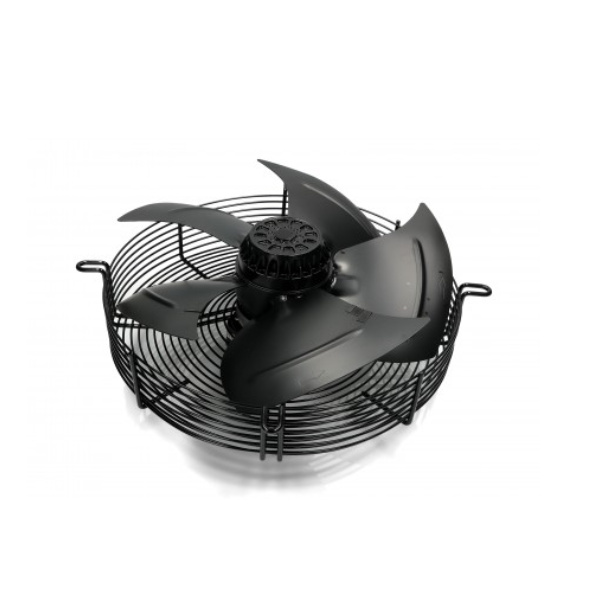
To ensure a successful purchase and integration of AC axial fans into your systems, follow these best practices:
Request Samples: Before placing a large order, request samples to evaluate performance under your specific operational conditions. Testing samples can help identify any potential issues early.
Confirm Specifications: Always verify the technical specifications with the manufacturer, particularly airflow capacity, noise levels, and energy efficiency ratings. Ensure these align with your project requirements.
Installation Considerations: Understand the installation process and any specific requirements for mounting or connection. This includes ensuring that the electrical supply matches the fan specifications.
Maintenance Plans: Consider the maintenance requirements and how often the fan will need servicing. Establishing a maintenance schedule can help prolong the lifespan of the fan and maintain optimal performance.
Evaluate Total Cost of Ownership: Beyond the initial purchase price, factor in long-term costs such as energy consumption, maintenance, and potential downtime. This holistic view can lead to better purchasing decisions.
By adhering to these practices, you can enhance the reliability and efficiency of your AC axial fan installations.
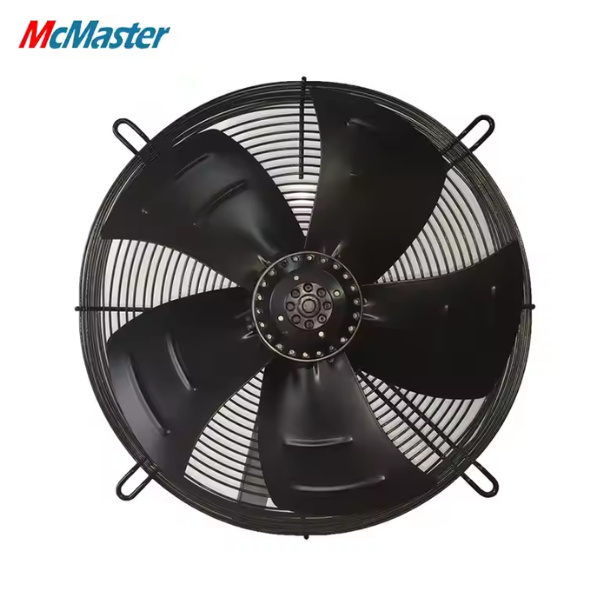
AC axial fans may encounter several common issues that can affect their performance. Here are some problems and their potential solutions:
Insufficient Airflow: If the fan is not moving enough air, check for obstructions in the intake or exhaust pathways. Ensure that the fan is appropriately sized for the application and that static pressure requirements are met.
Excessive Noise: High noise levels may stem from misalignment or imbalance in the fan blades. Regular maintenance, including cleaning and balancing, can mitigate noise issues. If noise persists, consider selecting a fan designed for quieter operation.
Overheating: If a fan experiences overheating, it may be due to inadequate ventilation or a faulty motor. Ensure proper airflow around the fan and verify that the motor specifications match the operational demands.
Vibration: Excessive vibration can indicate issues like imbalanced blades or loose mounting hardware. Regular inspections and proper installation practices can help minimize vibration problems.
By proactively addressing these issues and implementing regular maintenance checks, buyers can enhance the longevity and performance of their AC axial fans.
Finding reliable AC axial fan manufacturers is vital for ensuring product quality and service. Here are some effective strategies to identify and vet potential suppliers:
Industry Trade Shows: Attending trade shows focused on manufacturing and technology provides an excellent opportunity to meet suppliers, view products firsthand, and discuss your specific requirements directly.
Online Research: Utilize industry directories and platforms that list verified manufacturers. Websites like ThomasNet or Alibaba can help you filter suppliers based on location, certifications, and product offerings.
Networking: Engage with industry peers or associations that can provide recommendations based on their experiences with various manufacturers.
Request Quotes: When you have a list of potential suppliers, reach out to request quotes. Providing detailed specifications and project requirements will help suppliers give you accurate pricing and lead time estimates.
Evaluate Reviews and Testimonials: Look for reviews or testimonials from previous customers to gauge the reputation of a manufacturer. This feedback can provide insights into product quality and customer service.
By leveraging these strategies, you can identify trusted McMaster Electric industrial axial fans suppliers that align with your business needs and project goals.

 EN