When considering HVAC systems, Air Handling Units (AHUs) with EC fans are gaining traction due to their energy efficiency and performance. This article delves into the specifics of AHUs equipped with ec fans for ahu, addressing important buyer concerns such as sourcing suppliers, cost factors, applications, and comparisons with traditional options. By the end, you'll have a comprehensive understanding to guide your purchasing decisions in the context of industrial applications.
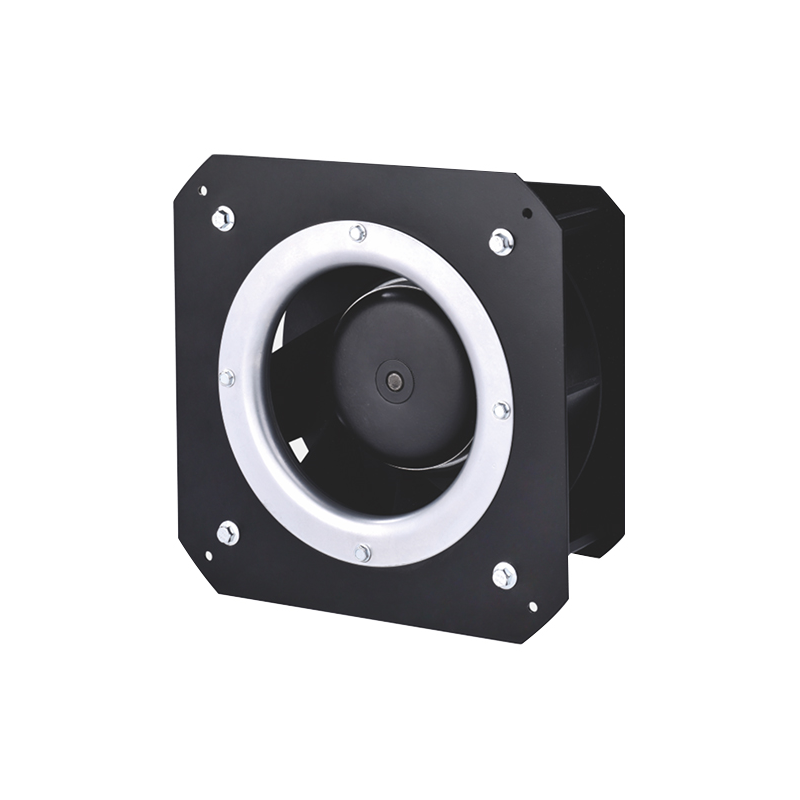
Air Handling Units (AHUs) with Electronically Commutated (EC) fans are designed to optimize airflow and minimize energy consumption. Unlike traditional AC fans, EC fans utilize a brushless DC motor, which allows for variable speed control and higher efficiency. This leads to reduced energy costs, making them an attractive option for industries focused on sustainability and cost-effectiveness.
Key specifications to consider include the airflow capacity, fan speed range, and power consumption. The integration of EC technology enhances the operational flexibility of AHUs, allowing for precise control of indoor air quality (IAQ) and temperature. This adaptability is crucial in environments where air quality standards must be strictly maintained.
Sourcing reliable suppliers for AHUs with EC fans involves evaluating several criteria. Start by identifying manufacturers known for their expertise in HVAC solutions, particularly those with a history of innovation and sustainability, like Changzhou McMaster Electric. Their extensive experience in automation and industrial solutions positions them as a credible source for high-tech HVAC products.
When assessing potential suppliers, consider the following:
Certifications: Look for ISO certifications or other quality standards that ensure adherence to industry benchmarks.
Product Range: Ensure the supplier offers a variety of AHU models to meet specific project requirements.
Customization Options: Evaluate whether the supplier can accommodate custom specifications, such as size, material, and performance.
Technical Support: Reliable suppliers should offer comprehensive technical support and after-sales service, including installation guidance and troubleshooting.
Customer Reviews: Research testimonials or case studies from previous clients to gauge supplier reliability and product performance.
The purchase cost of AHUs with EC fans can vary significantly based on several factors:
Specifications and Features: Higher efficiency models with advanced features such as variable speed drives or integrated controls will typically have a higher upfront cost, but these may lead to lower operational costs over time.
Material Quality: The materials used in construction can affect both the longevity and performance of the unit. For instance, corrosion-resistant materials may be essential in certain environments, influencing overall pricing.
Volume and MOQ: Bulk purchasing can often yield discounts. Understanding the Minimum Order Quantity (MOQ) is crucial when planning large-scale projects.
Customization Requirements: Custom units designed to meet specific operational needs may incur additional costs. Always clarify customization options and associated fees with your supplier.
Shipping and Installation: Don’t overlook logistics; shipping costs and installation services can significantly impact the total cost of ownership.
McMaster Electric AHUs with EC fans are versatile and can be effectively utilized in various industrial applications, including:
Manufacturing Facilities: Maintaining optimal air quality and temperature is vital in manufacturing processes, especially those involving sensitive materials.
Data Centers: These environments require precise temperature control to protect sensitive equipment from overheating. AHUs with ec fan ahu provide efficient cooling solutions.
Pharmaceutical Production: In industries where cleanliness is paramount, AHUs can be tailored to meet stringent air quality standards, ensuring compliance with health regulations.
Commercial Buildings: From office spaces to retail environments, maintaining comfortable indoor conditions is essential. EC fans contribute to energy savings while enhancing occupant comfort.
Food Processing: Regulating humidity and temperature is critical in food production and storage. EC fan-equipped AHUs can adapt to changing conditions effectively.
When comparing McMaster Electric AHUs with EC fans to traditional AC fan units, several distinctions emerge:
Energy Efficiency: EC fans are generally more energy-efficient than traditional AC fans, often resulting in lower operating costs. This can be especially beneficial in large-scale operations where energy consumption is a significant concern.
Control Flexibility: EC fans offer variable speed control, allowing for precise adjustments based on real-time conditions. Traditional AC fans typically operate at fixed speeds, leading to less adaptability.
Noise Levels: EC fans tend to operate more quietly than traditional options, which is advantageous in applications where noise reduction is a priority.
Maintenance: The design of EC fans often results in lower maintenance requirements due to fewer moving parts and enhanced durability.
Initial Investment: While AHUs with EC fans may come with a higher initial cost, the long-term savings on energy and maintenance can justify the investment, making them a more economically viable choice in the long run.
In summary, the choice between ec fan in ahu and traditional options should be guided by specific application requirements, budget constraints, and long-term operational goals. Understanding these differences will empower buyers to make informed decisions that enhance both efficiency and effectiveness in their HVAC systems.

 EN