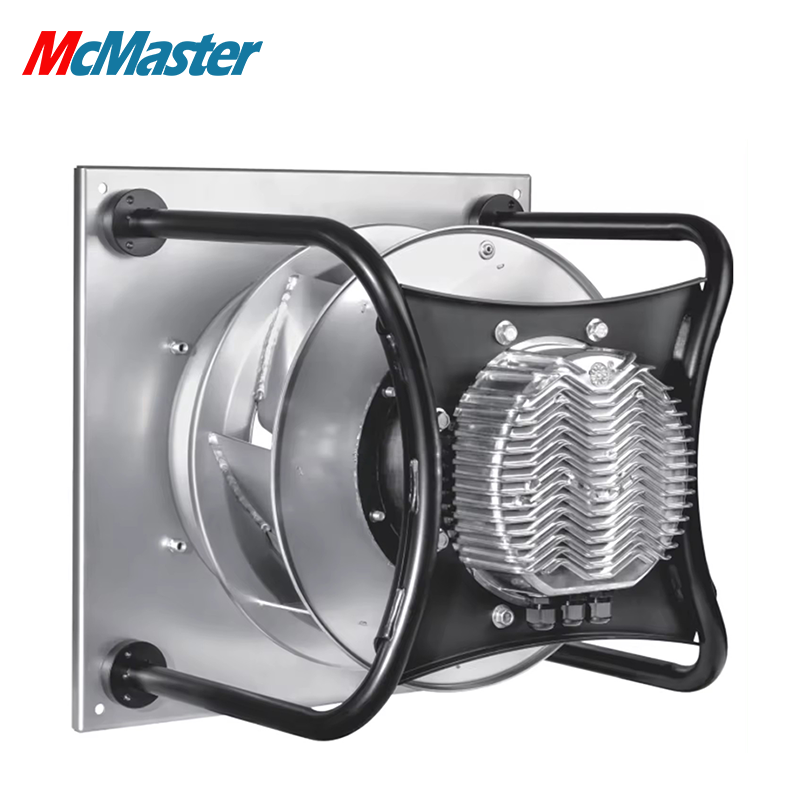
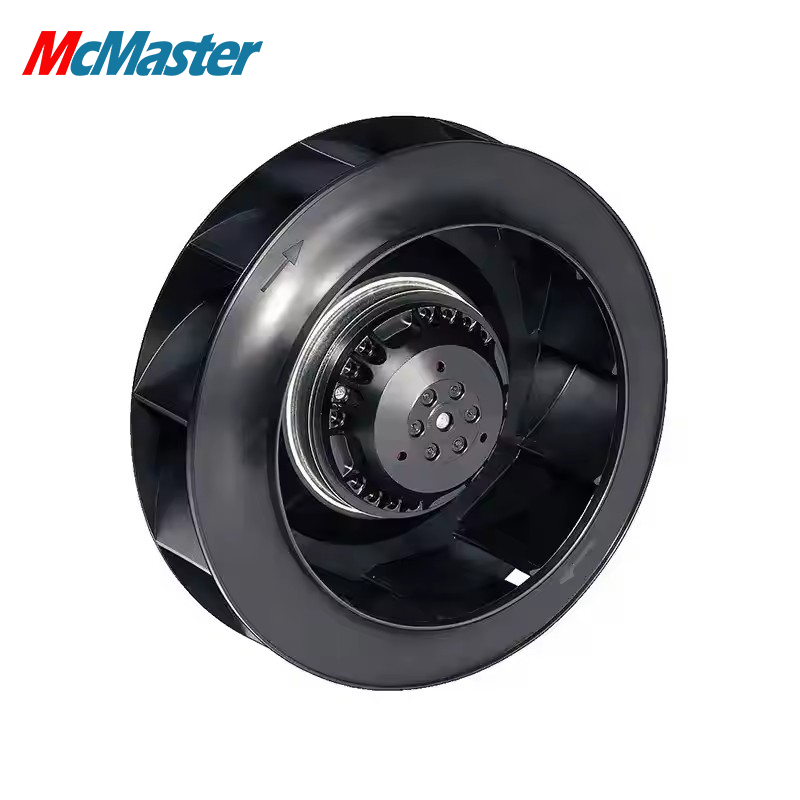
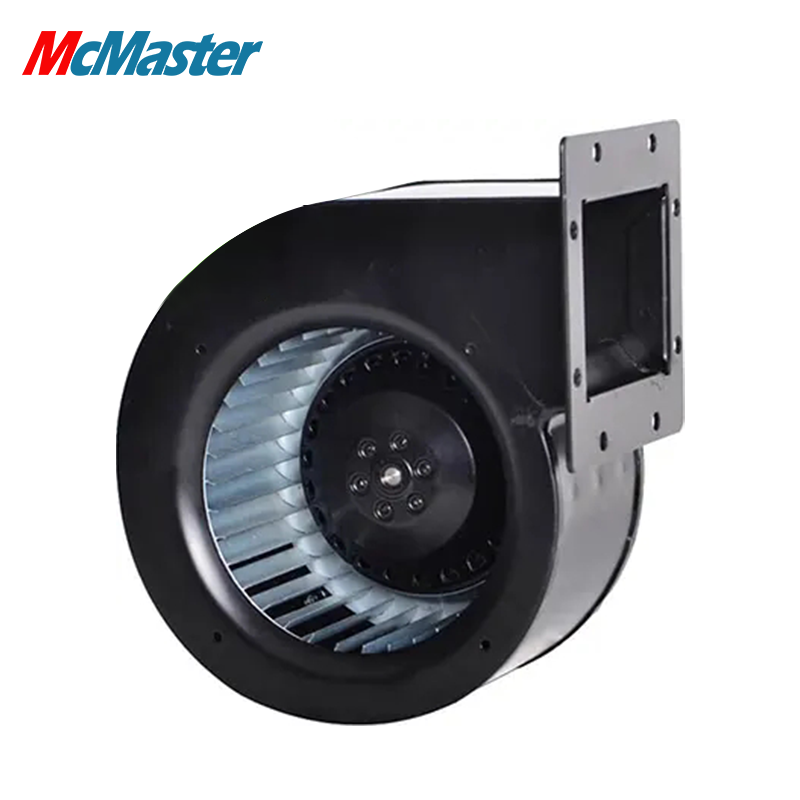
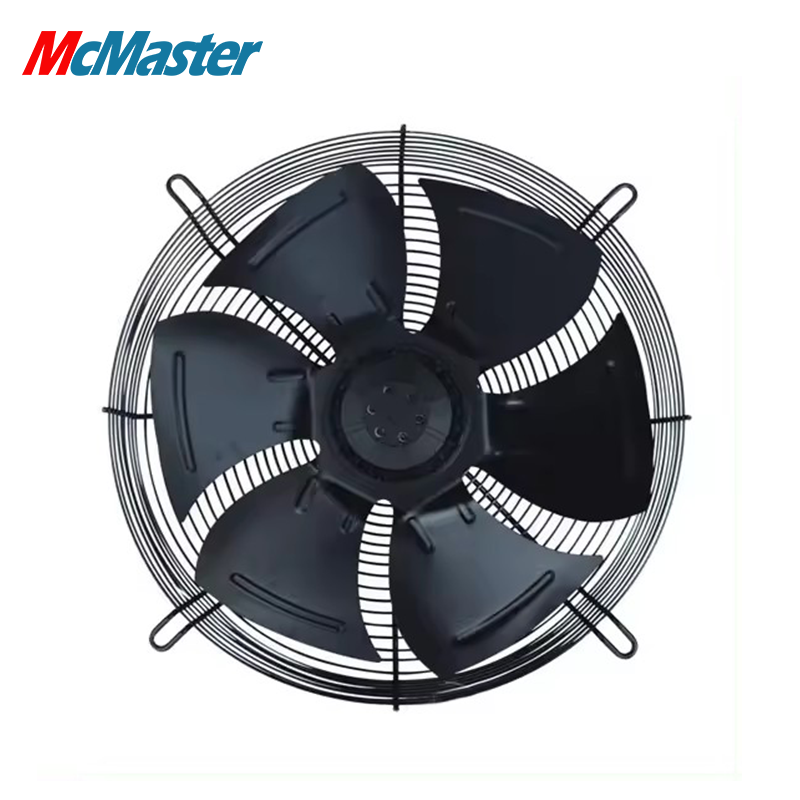
Effective EC fans for air handling units (AHUs) are crucial components in modern HVAC systems, optimizing air circulation and energy efficiency. As a purchasing manager or engineer, understanding the specifications, installation, and potential issues related to these fans can significantly impact your project's success. This article will guide you through sourcing reliable EC fans for AHUs, choosing the right product for your application, installation guidance, common problems, and essential buyer considerations.
Sourcing EC fans for AHUs in bulk requires careful consideration of suppliers. Look for manufacturers with a proven track record, such as Changzhou McMaster Electric, which has over 20 years of experience in electric solutions and serves 150 countries. When evaluating suppliers, consider their production capabilities, certifications, and quality control processes.
Key factors include:
Production Capacity: Confirm the supplier's ability to meet your volume needs in a timely manner.
Customization Capabilities: Ensure they can meet specific design requirements for your application.
MoQ (Minimum Order Quantity): Understand the minimum order quantities to avoid excess costs or inventory issues.
Request product samples to evaluate quality before committing to bulk orders. This step can help verify material integrity, performance metrics, and compatibility with existing systems.
Choosing the best EC fan for your AHU application involves assessing several critical specifications. These include airflow capacity, static pressure ratings, energy efficiency, and noise levels.
Airflow Capacity: Determine the required airflow for your system. This is usually expressed in cubic feet per minute (CFM). Refer to your AHU specifications to ensure compatibility.
Static Pressure Ratings: Evaluate the static pressure the ec fans for ahu must overcome. Insufficient static pressure can lead to inadequate airflow, causing system inefficiencies.
Energy Efficiency: Look for fans with high efficiency ratings, such as EC motors that provide better energy consumption compared to traditional AC motors. This not only reduces operational costs but also aligns with sustainability goals.
Noise Levels: Consider the acceptable noise levels for your environment, particularly in commercial or residential applications. Selecting fans designed for low noise operation can enhance occupant comfort.
Consult with the manufacturer about specific performance data and request testing results if available. Understanding these specifications will ensure that the fan meets your operational needs and sustainability objectives.
Proper installation of EC fans in AHUs is essential for optimal performance. Here are key considerations for a successful installation:
Alignment: Ensure the fan is properly aligned with the ductwork to prevent airflow restrictions. Misalignment can lead to increased noise and reduced efficiency.
Vibration Isolation: Implement vibration isolation methods to minimize noise transmission through the building structure. This can include using rubber mounts or isolators.
Electrical Connections: Pay close attention to the electrical connections. Follow the manufacturer's wiring diagrams and ensure compliance with local electrical codes.
Testing: After installation, perform operational tests to verify airflow, static pressure, and noise levels. This step helps identify any issues before the system is fully operational.
Regular Maintenance: Implement a maintenance schedule to clean and inspect the ahu with ec fans. Regular checks can help detect wear and prolong the fan's lifespan.
Following these guidelines can enhance the efficiency of your AHU and prevent common installation-related issues.
Several common problems may arise with McMaster Electric EC fans in AHUs, but understanding them can help you address these issues promptly:
Vibration Issues: Excessive vibration can indicate misalignment or imbalance. Regular inspections and adjustments can mitigate this concern. If vibrations persist, it may be necessary to consult with the manufacturer for further evaluation.
Noise Complaints: If noise levels exceed acceptable limits, consider fan speed adjustments or sound-damping materials. Additionally, ensure the fan is not operating outside its specified range.
Performance Degradation: Over time, fans may experience performance drops due to dust accumulation or mechanical wear. Implementing a routine cleaning and maintenance schedule can help maintain efficiency.
Electrical Failures: Electrical issues can arise from improper connections or overloading. Ensure that the fan's power supply aligns with specifications and that electrical components are regularly inspected.
By proactively addressing these common problems, you can extend the life and effectiveness of EC fans in your AHUs.
When preparing to purchase McMaster Electric EC fans for AHUs, consider the following key information to facilitate an efficient RFQ (Request for Quotation) process:
Product Specifications: Clearly define the required airflow, static pressure, and energy efficiency ratings based on your application needs.
Quantity and Packaging: Specify the desired quantity and any particular packaging requirements for shipping. Consider how the packaging will affect transport and storage.
Customization Needs: If custom features are needed, provide detailed drawings or specifications to ensure accurate quotations.
Delivery Requirements: Indicate delivery timelines and locations to facilitate logistics planning.
Quality Assurance: Ask about quality control processes and any certifications relevant to your industry. This ensures that the products meet required standards.
Sample Requests: Don’t hesitate to request samples prior to bulk orders to verify performance and quality.
By gathering this information ahead of time, you can streamline the purchasing process and ensure that the selected EC fans meet your operational and quality needs.
In summary, selecting and sourcing ec fan for hvacinvolves understanding product specifications, installation practices, potential issues, and essential buyer considerations. By leveraging this knowledge, you can make informed decisions that enhance your HVAC system's efficiency and reliability.

 EN