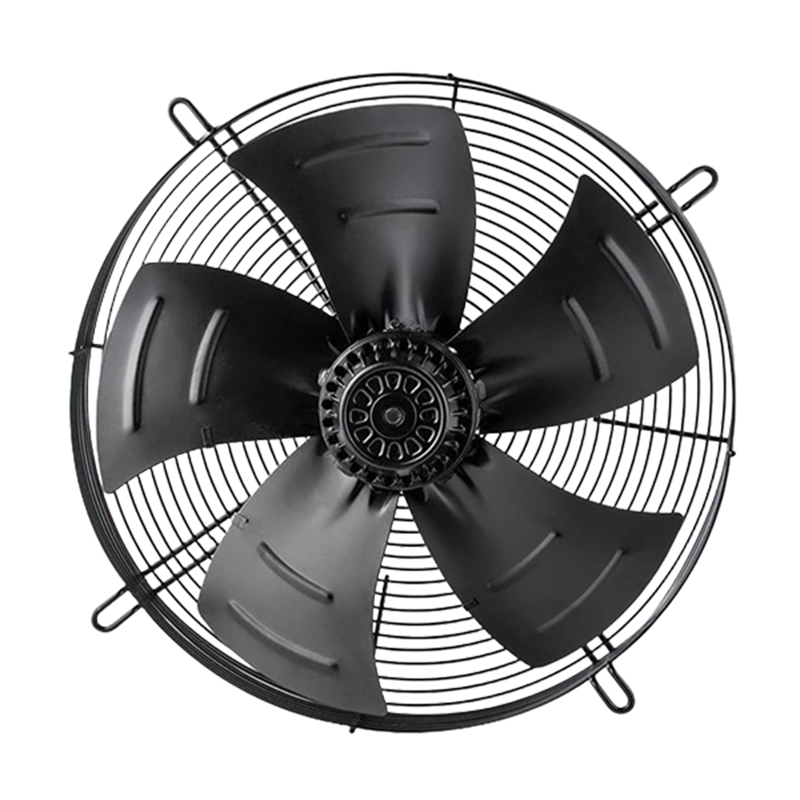
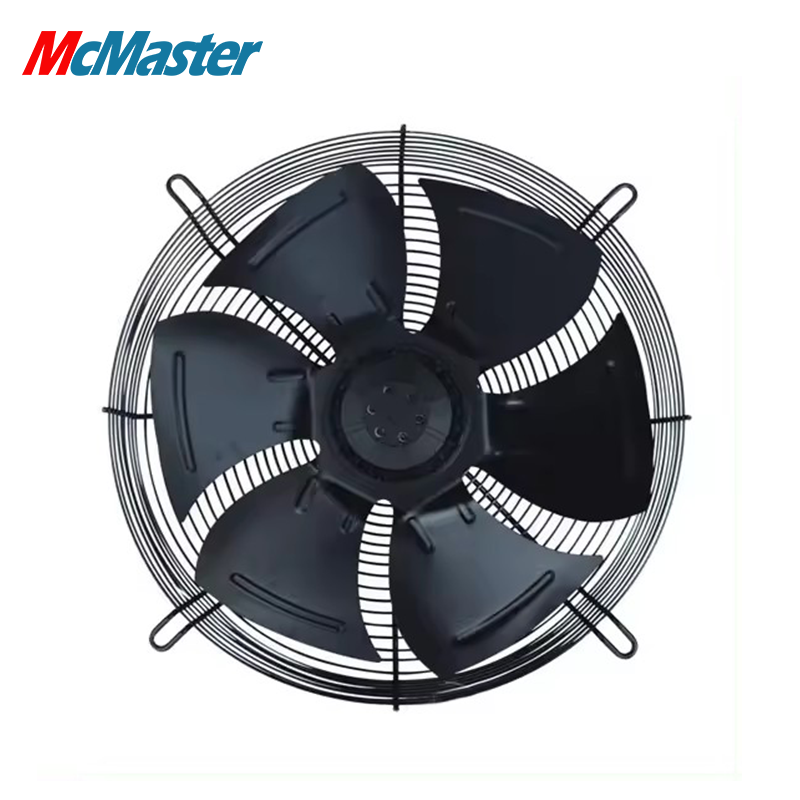
When considering refrigeration systems, the choice of an axial fan is pivotal for optimal efficiency and performance. An axial fan for refrigeration serves to facilitate airflow, ensuring that cooling systems operate effectively, thereby enhancing energy efficiency and prolonging equipment lifespan. This article will address key concerns B2B buyers typically have, including product specifications, sourcing strategies, quality factors, and the advantages of materials used in 220v axial fan. By the end, you will have a comprehensive understanding of what to consider when selecting an axial fan for your refrigeration needs.
Selecting an axial fan for refrigeration involves several critical considerations. First, assess the airflow requirements of your refrigeration system. The fan's airflow capacity, measured in cubic feet per minute (CFM), must match or exceed the system's cooling demand. Insufficient airflow can lead to inadequate cooling, while excessive airflow may result in energy waste and increased noise levels.
Next, consider the operating environment. If the axial fan will be used in harsh conditions, such as high humidity or corrosive atmospheres, selecting materials with suitable resistance is crucial. Additionally, the centrifugal fan size and mounting configuration should align with your refrigeration unit's specifications to ensure proper fit and performance.
Lastly, evaluate the noise levels produced by the fan. Noise can be a significant concern in commercial and industrial applications, so look for models designed for quiet operation while still delivering the required airflow.
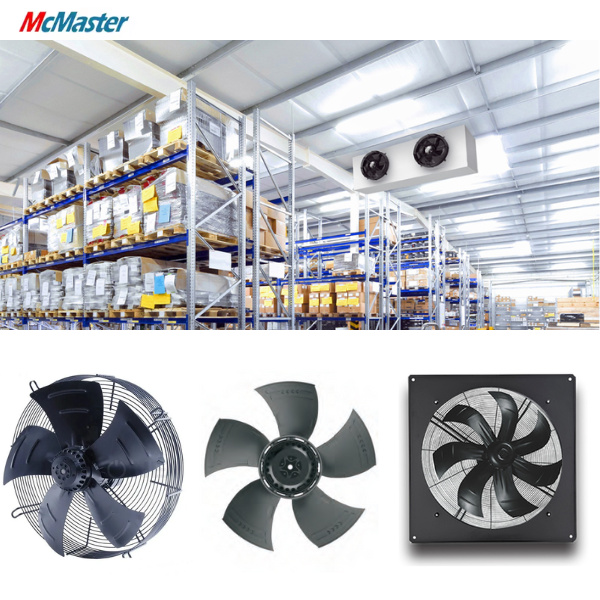
When evaluating axial fans for refrigeration, several key specifications are essential for achieving efficiency and reliability:
Blade Design: The number and shape of blades impact airflow and efficiency. A higher blade count can improve airflow but may add complexity to the design.
Motor Type: The motor's efficiency class (e.g., IE2, IE3) influences energy consumption. High-efficiency motors can lead to significant cost savings over time.
Voltage and Phase: Ensure compatibility with your refrigeration system's electrical specifications. Common voltages include 115V, 230V, and 460V, while single-phase or three-phase options may be required based on your application.
Performance Ratings: Look for fans with performance ratings that include air delivery at specific static pressures. This information is crucial for understanding how the fan will perform in real-world conditions.
Temperature Range: Confirm that the fan's operational temperature range meets your refrigeration system's requirements, especially if it operates in extreme conditions.
These specifications will help ensure that the axial fan will perform effectively and efficiently in your refrigeration setup.
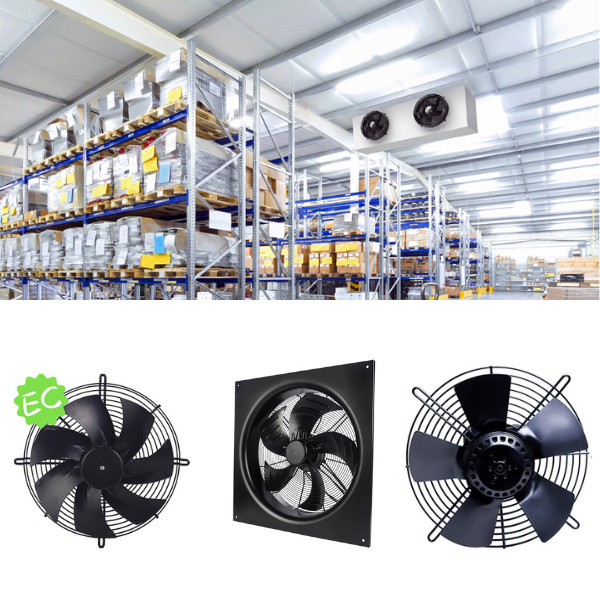
Finding a reliable source for axial fans is essential for B2B buyers. Start by researching established manufacturers with a track record in producing high-quality industrial fans. Consider suppliers like Changzhou McMaster Electric, known for its extensive experience in producing innovative electrical products and solutions.
When sourcing, evaluate suppliers based on their production capabilities, quality control processes, and customization options. Request samples to assess product quality firsthand and confirm that the specifications meet your needs. Additionally, look for suppliers who can provide technical support and guidance, which is invaluable when integrating centrifugal fan into complex refrigeration systems.
Collaborating with distributors who specialize in refrigeration components can also streamline the purchasing process. They often have insights into market trends and can offer recommendations based on your specific requirements.centrifugal fan double inlet
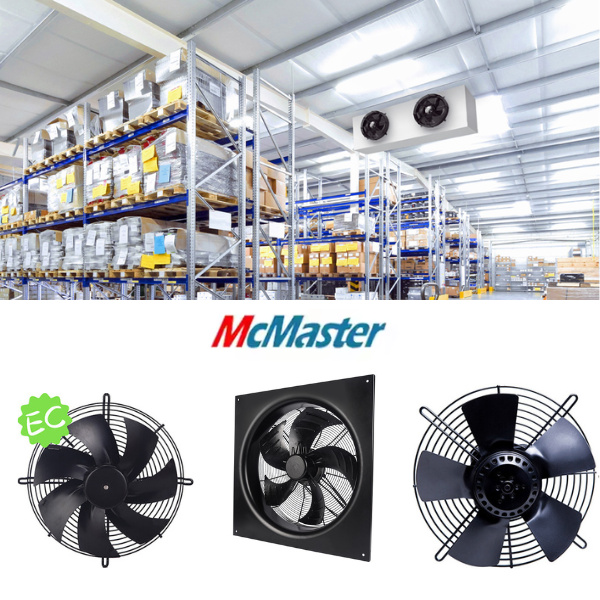
Quality and cost are often intertwined in the purchasing decision for axial fans. While it may be tempting to choose the lowest-priced option, it’s vital to assess the long-term value of the product. High-quality axial fans typically offer better performance, energy efficiency, and durability, leading to lower operational costs over time.
Factors that influence cost include:
Material Selection: Higher-quality materials may incur higher upfront costs but can provide better performance and longevity, reducing the need for replacements.
Manufacturing Processes: Fans produced with advanced manufacturing techniques may have tighter tolerances, resulting in better efficiency and less noise.
Customization Needs: Custom features, such as specific sizes or performance characteristics, can increase costs. However, custom solutions may be necessary for unique refrigeration applications.
Warranty and Support: Consider suppliers that offer warranties and robust customer support. This can mitigate risks associated with product failure and ensure prompt assistance if issues arise.
The choice of materials in axial fan construction significantly impacts performance and durability. Common materials used in axial fans include:
Plastic (Polypropylene or ABS): Lightweight and corrosion-resistant, making them suitable for applications where weight is a concern. However, they may not withstand high temperatures or mechanical stress as well as metal options.
Aluminum: Typically used for blades and housings, aluminum offers a good balance of strength, weight, and corrosion resistance. It is ideal for environments where moisture is present.
Stainless Steel: For applications in harsh or corrosive environments, stainless steel is the material of choice. It provides excellent durability and resistance to rust and corrosion, ensuring a longer lifespan.
Coatings: Protective coatings can enhance the performance of fans in specific environments. For example, a powder coating can provide additional protection against moisture and chemicals.
When selecting an axial fan, consider how the materials align with the intended operating conditions. This will help ensure optimal performance and longevity in your refrigeration systems.
By understanding these factors, B2B buyers can make informed decisions when selecting an axial fan for refrigeration, ensuring they meet their operational needs efficiently and effectively.

 EN