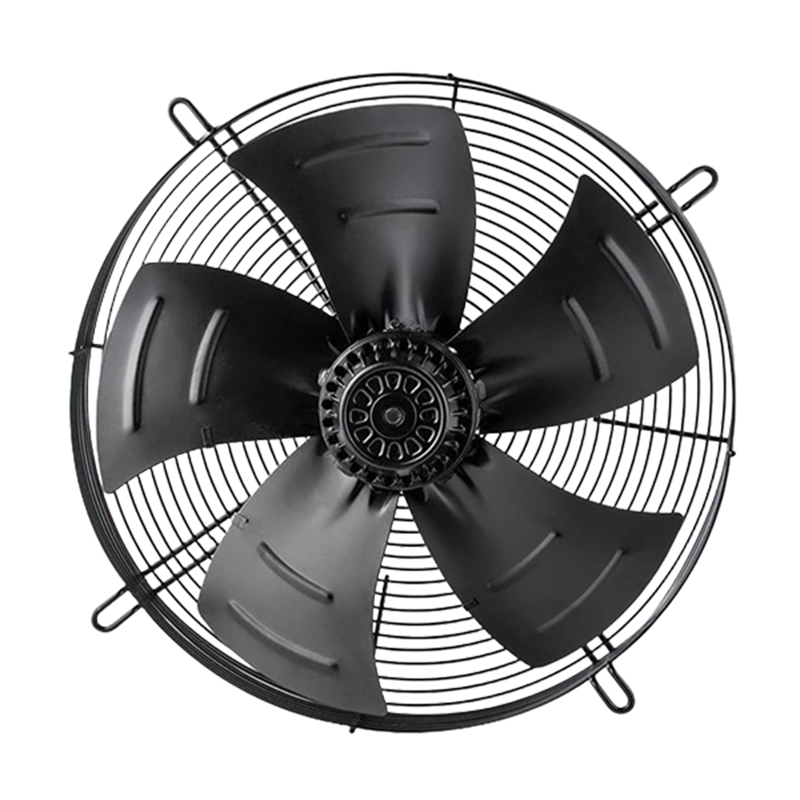
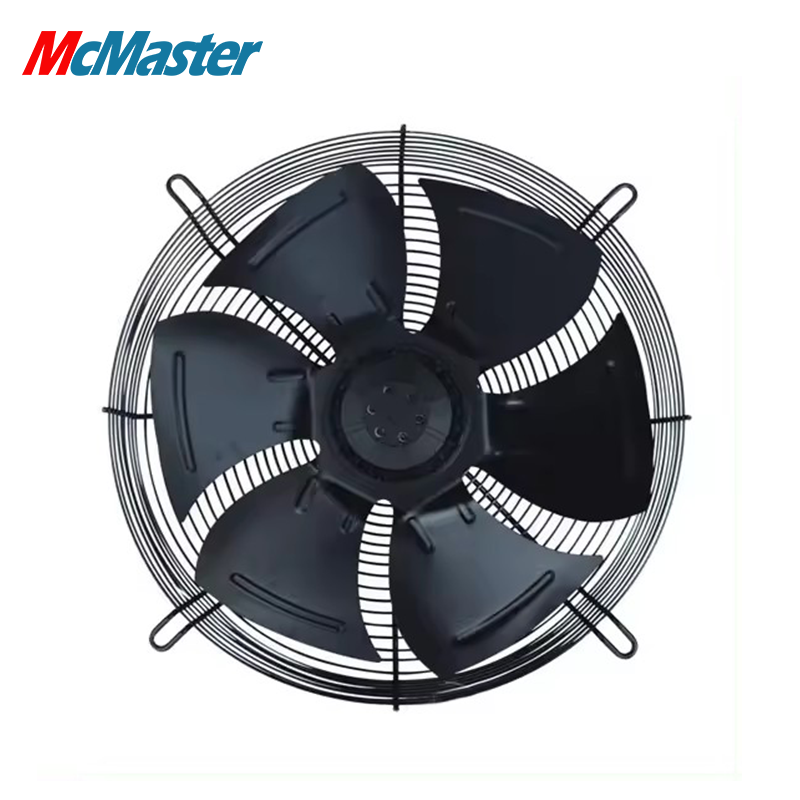
Axial fans are essential components in various industrial applications, providing effective airflow and cooling solutions. As businesses increasingly focus on electrification, automation, and sustainability, understanding the role of axial fan manufacturers becomes crucial for purchasing managers, engineers, and product managers. This article aims to guide B2B buyers through the key specifications, supplier selection, cost considerations, common installation challenges, and broad applications of axial fans, ensuring informed purchasing decisions.
When evaluating axial fans, several specifications play a critical role in determining their suitability for specific applications. Key factors include:
Airflow Capacity: Measured in cubic feet per minute (CFM), this indicates the volume of air the 220v axial fan can move. It is essential to match the airflow capacity to the requirements of your application to ensure optimal performance.
Static Pressure: This refers to the resistance a fan must overcome to move air. High static pressure ratings are vital in applications with ducting or filters, as insufficient pressure can lead to reduced airflow and efficiency.
Noise Levels: Measured in decibels (dB), noise levels can impact workplace comfort. Selecting a fan with lower noise ratings, especially for environments sensitive to sound, is crucial.
Power Consumption: Efficiency ratings and power requirements directly affect operational costs. Look for fans with a favorable watt-to-CFM ratio to optimize energy use.
Material and Build Quality: Material selection influences durability and resistance to environmental factors. Corrosion-resistant materials are critical for fans used in humid or chemical-laden environments.
Motor Type and Speed Control: The motor's type (AC or DC) and the ability to control speed can enhance performance flexibility. Variable speed options allow for better energy management and adaptability to changing airflow needs.
Understanding these specifications not only helps buyers choose the right axial fan but also ensures that the selected fan meets the operational demands specific to their industry.
Selecting a reliable axial fan manufacturer is paramount to ensuring product quality and service reliability. Here are several key considerations:
Experience and Reputation: Look for manufacturers with a proven track record in producing axial fan hvac over several years. Companies like Changzhou McMaster Electric, with over 20 years in the industry, often demonstrate greater expertise in product development and customer service.
Customization Capabilities: Assess whether the supplier can meet specific project requirements, such as custom dimensions, materials, or performance specifications. This flexibility can be crucial for unique applications.
Quality Control Processes: Verify the manufacturer's quality assurance practices. Suppliers should adhere to recognized industry standards and certifications, ensuring that each product meets strict quality benchmarks.
Technical Support and Documentation: Reliable suppliers provide comprehensive technical support, including installation guides and troubleshooting resources. This support is invaluable during the installation and operation phases.
Export Experience: If your projects are international, consider suppliers with experience in global markets. This familiarity can streamline logistics and compliance with international regulations.
Customer Reviews and Case Studies: Look for testimonials or case studies that demonstrate the supplier's capability and customer satisfaction. This feedback can provide insights into the reliability and performance of their products.
Choosing a supplier based on these factors can significantly reduce the risk of issues during production and installation, paving the way for successful project outcomes.
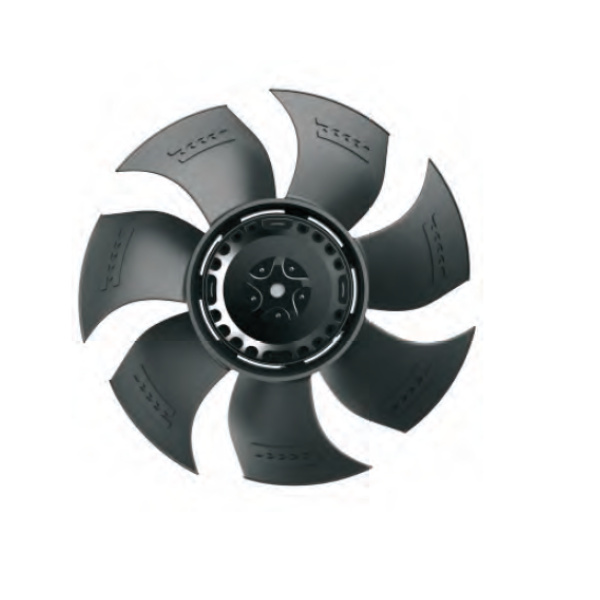
Understanding the cost factors involved in purchasing McMaster Electric axial fans is essential for budgeting and financial planning. Key aspects to consider include:
Unit Price: The base price of the fan is straightforward, but it is essential to compare similar specifications across different suppliers to ensure a fair evaluation.
Bulk Discounts: Many manufacturers offer discounts for larger orders. Buyers should inquire about minimum order quantities (MOQs) and the pricing structure for bulk purchases.
Shipping Costs: Consider transportation expenses, which can vary significantly based on distance, shipping method, and delivery speed. Suppliers with established logistics networks may provide more favorable shipping rates.
Installation and Maintenance Costs: Factor in the potential costs of installation and ongoing maintenance. Some suppliers offer installation services or can recommend qualified technicians, which can save time and ensure proper setup.
Energy Efficiency: While an initial investment may be higher for energy-efficient fans, the long-term savings on energy costs can offset this. Consider the total cost of ownership, including operational expenses over the fan's lifecycle.
Warranty and Support: A robust warranty can provide peace of mind against defects or failures. Ensure that the warranty terms are clear and that the supplier offers adequate post-purchase support.
By evaluating these cost factors, buyers can make more informed decisions that align with their financial constraints and project goals.
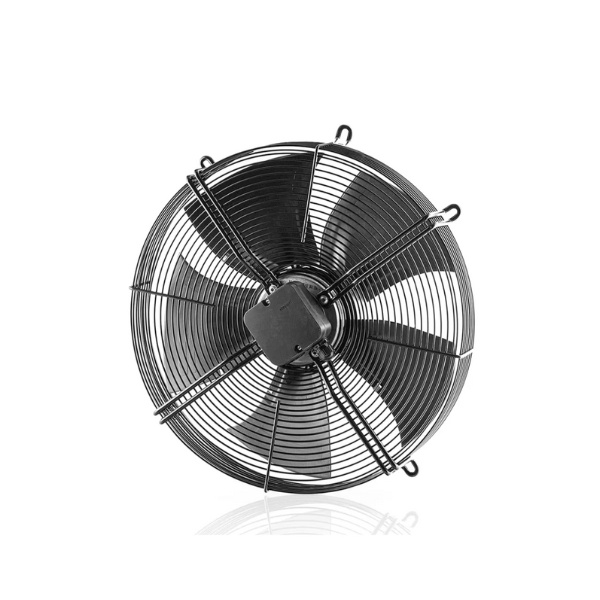
Installing McMaster Electric axial fans can present various challenges that, if not addressed, may lead to operational inefficiencies or equipment damage. Common issues include:
Space Constraints: Ensuring adequate space for installation is critical. Buyers should assess the installation site and consider dimensions and airflow requirements before selecting a fan model.
Alignment and Mounting: Incorrect alignment during installation can lead to vibrations and noise. It is advisable to follow the manufacturer's installation guidelines carefully and use leveling tools to ensure proper mounting.
Electrical Compatibility: Ensure that the electrical supply matches the fan's motor specifications. This includes checking voltage requirements and circuit capacity to prevent overheating or failure.
Ducting and Ventilation: In some cases, existing duct systems may not be compatible with new axial fan for chiller. Consider consulting with HVAC professionals to design an effective ventilation system that maximizes airflow efficiency.
Safety Considerations: Proper safety measures must be implemented during installation, including securing power sources and using appropriate personal protective equipment (PPE).
By anticipating these challenges and preparing accordingly, buyers can facilitate smoother installations and enhance the operational reliability of axial fans.
Axial fans are versatile components utilized across many industries due to their ability to move large volumes of air efficiently. Key applications include:
Industrial Cooling: In manufacturing environments, axial fans are commonly used for cooling machinery and processes, preventing overheating and ensuring optimal performance.
HVAC Systems: Axial fans play a critical role in heating, ventilation, and air conditioning (HVAC) systems, maintaining indoor air quality and comfort in commercial and residential buildings.
Automotive: In the automotive sector, axial fans are employed for engine cooling and air conditioning systems, providing essential airflow for vehicle performance and passenger comfort.
Electronics and Data Centers: Cooling electronic components in data centers is vital for operational efficiency. Axial fans help regulate temperatures, preventing equipment failure due to overheating.
Agriculture: In agricultural settings, axial fans are used in greenhouses and livestock facilities to maintain optimal temperature and humidity levels, promoting healthy growth conditions.
Medical Equipment: In medical devices, such as ventilators and diagnostic machines, axial fans ensure proper airflow for efficient operation and patient safety.
By understanding these applications, buyers can better assess the suitability of axial fans for their specific industry needs, ensuring reliable performance and compliance with operational standards.

 EN