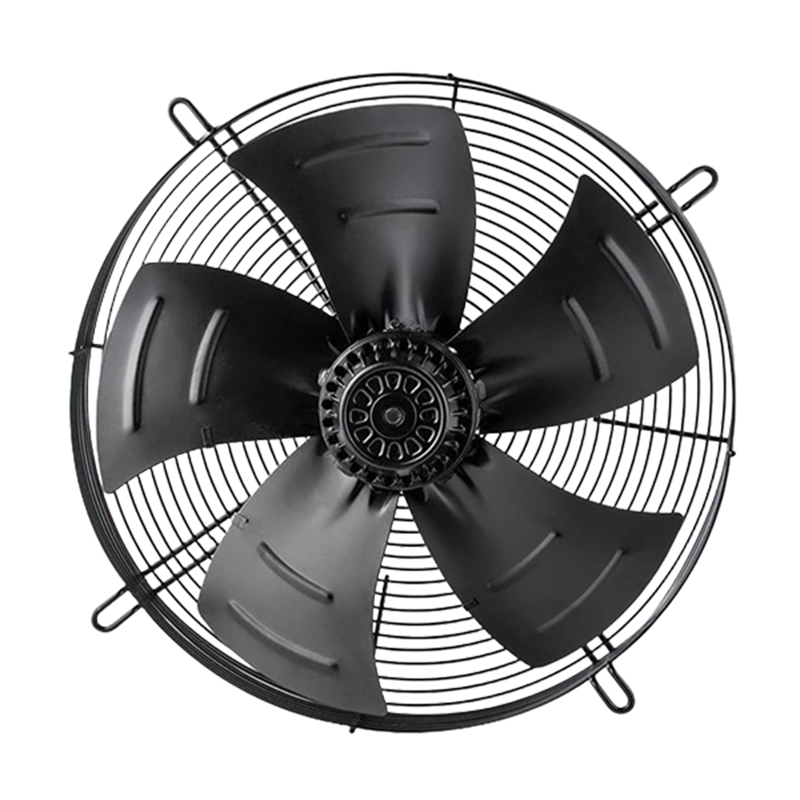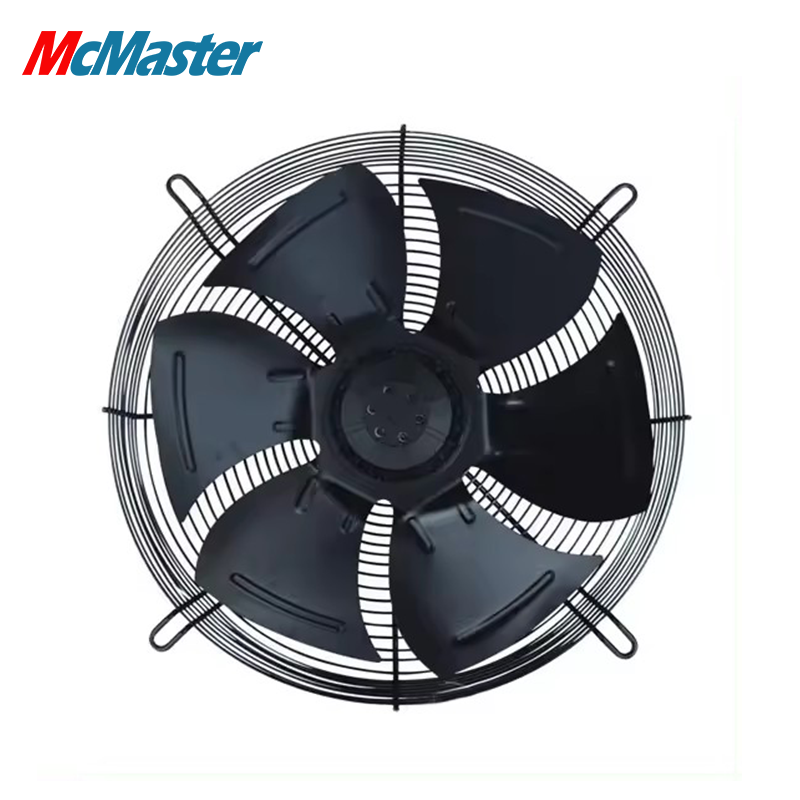
Axial HVAC fans are essential components used in heating, ventilation, and air conditioning systems, designed to move air efficiently across spaces. For B2B buyers, understanding the intricacies of axial HVAC fans is critical for ensuring optimal performance and reliability in various applications. This article will address key considerations when purchasing these industrial axial fans, including cost factors, material advantages, applications in different industries, and essential buyer information, ultimately aiding in informed decision-making.
When evaluating the costs associated with axial HVAC fans, buyers must consider several factors that can significantly influence the final price. These factors include:
Material Selection: High-quality materials can lead to increased durability and efficiency, but may also raise production costs. Common materials include aluminum, steel, and plastics, each with varying performance characteristics and price points.
Fan Size and Specifications: The dimensions, airflow capacity (measured in cubic feet per minute, CFM), and pressure ratings can all affect pricing. Larger fans with higher specifications typically command higher prices due to the increased complexity in manufacturing.
Customization Requirements: Custom designs tailored for specific applications or environments may involve additional engineering and manufacturing costs. Buyers should discuss their specific needs with suppliers to understand how customization will impact pricing.
Production Volume: Quantities ordered can also influence cost. Manufacturers often provide discounts for bulk orders, which can lead to substantial savings for businesses looking to purchase larger quantities.
Shipping and Handling: Depending on the destination and the supplier's location, shipping costs can vary significantly. Buyers should inquire about shipping options and any potential fees associated with international delivery, especially for bulk orders.
Understanding these cost factors will help buyers make better purchasing decisions and negotiate effectively with suppliers.
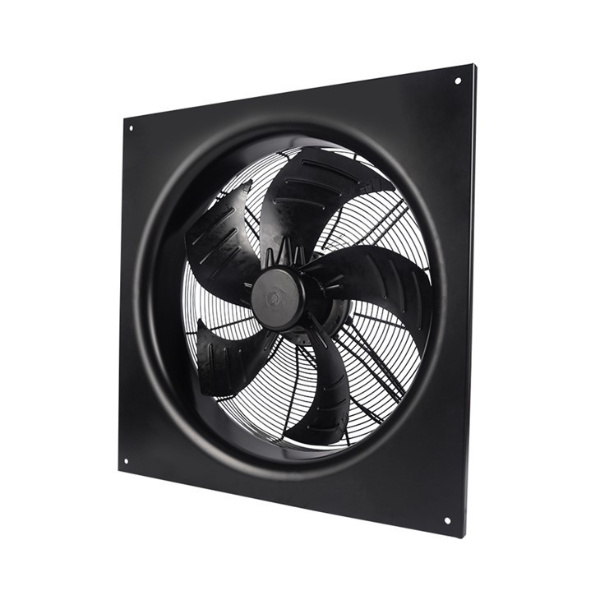
Axial HVAC fans are versatile components used across a range of industries, thanks to their ability to move large volumes of air efficiently. Some common applications include:
Commercial Buildings: In office complexes and retail spaces, axial fans are used for ventilation and climate control, ensuring a comfortable environment for occupants while maintaining energy efficiency.
Industrial Facilities: Manufacturing plants often utilize McMaster Electric forward curved centrifugal fans for cooling machinery, exhausting fumes, and facilitating air circulation in large spaces. Their robust design allows them to operate efficiently in demanding conditions.
Automotive and Aerospace: In the automotive industry, axial fans are crucial for cooling engines and maintaining optimal temperature conditions in manufacturing processes. Similarly, in aerospace, they are employed for cabin pressure control and ventilation.
Data Centers: Given the heat generated by servers, axial fans play a vital role in cooling these environments, ensuring that electronic equipment operates within safe temperature ranges.
HVAC Systems: In heating, ventilation, and air conditioning systems, axial fans are often used to enhance airflow, contributing to overall system efficiency and effectiveness.
Understanding the specific applications of axial HVAC fans helps buyers identify suitable products that meet their operational needs.
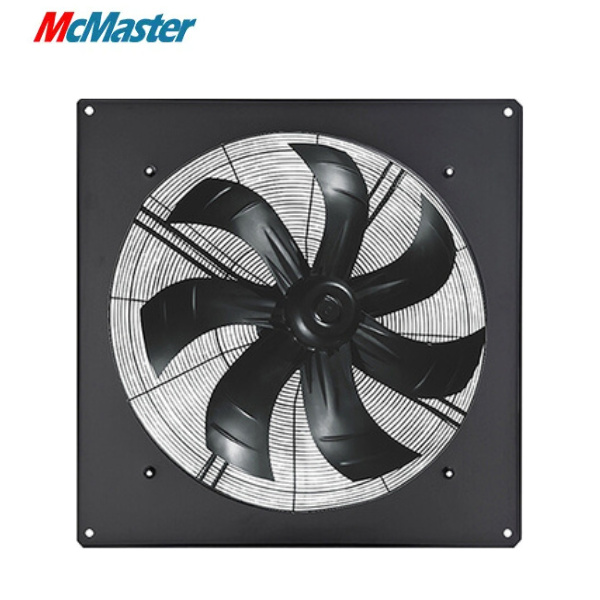
The materials used in the construction of axial HVAC fans significantly influence their performance and longevity. Here are some common materials and their advantages:
Aluminum: Lightweight and resistant to corrosion, aluminum fans are often preferred for their efficiency and ease of installation. They provide excellent airflow and are suitable for both indoor and outdoor applications.
Steel: Known for its strength and durability, steel is commonly used in heavy-duty applications. While it may be heavier than aluminum, steel fans can withstand harsher environments, making them ideal for industrial uses.
Plastic Composites: With excellent corrosion resistance and lower weight, plastic fans are often utilized in environments where moisture or chemicals may be present. They are also typically quieter than metal alternatives.
Coatings and Treatments: Many axial fans come with protective coatings that enhance resistance to corrosion, UV exposure, and other environmental factors. Buyers should verify the effectiveness of these treatments, especially for outdoor installations.
Choosing the right material is critical for maximizing efficiency and ensuring the fan's longevity in its intended application. Buyers should consider the operational environment and performance requirements when selecting materials.
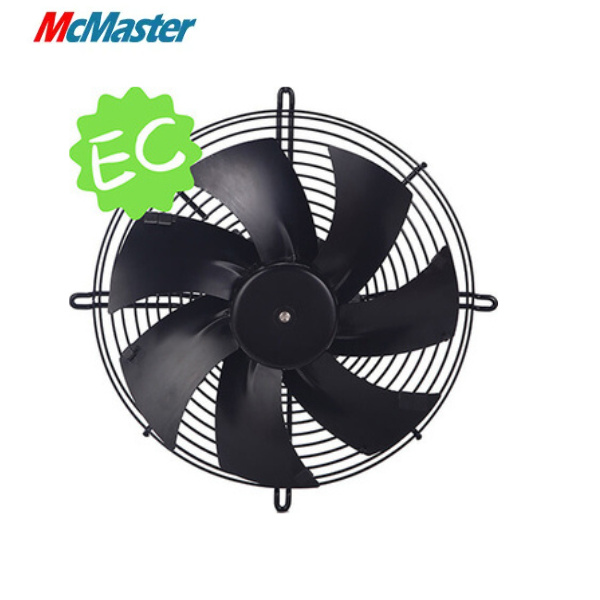
When preparing to purchase McMaster Electric axial HVAC fans, buyers should be well-informed about several key considerations:
Specifications: Buyers should confirm essential specifications, such as airflow capacity, static pressure ratings, and noise levels. These factors directly impact performance and suitability for specific applications.
Sample Approval: Before committing to mass production, it’s crucial to request samples. This allows for physical inspection and testing under actual operating conditions, ensuring that the product meets all necessary performance standards.
Quality Control Processes: Understanding the manufacturer's quality control measures can provide insights into the reliability and durability of the fans. Buyers should inquire about inspection protocols and certifications.
Lead Times: Buyers should discuss lead times with suppliers, particularly for customized orders. Knowing the expected timeline helps in planning for installation and other related activities.
After-Sales Support: Inquire about the availability of technical support and warranty options. Strong after-sales service can be a deciding factor in choosing a supplier.
By addressing these considerations upfront, buyers can streamline the purchasing process and ensure satisfaction with their chosen product.
To achieve cost efficiency when purchasing McMaster Electric axial HVAC fans, consider the following strategies:
Bulk Purchasing: As previously mentioned, ordering in larger quantities can lead to significant discounts. Assess your needs and consider future projects to maximize bulk order advantages.
Supplier Comparison: Take the time to compare multiple suppliers regarding pricing, quality, lead times, and customer service. This can help secure the best deal and terms for your organization.
Negotiate Contracts: Don't hesitate to negotiate contracts, particularly for long-term partnerships. Establishing a reliable relationship with a supplier can lead to better pricing and terms over time.
Energy Efficiency: Investing in energy-efficient fans can lead to lower operational costs over time. Look for fans with high efficiency ratings, as they will consume less power while providing optimal performance.
Regular Maintenance: Implementing a maintenance schedule for your HVAC systems, including ahu with ec fans, can prevent costly downtime and repairs. Proper maintenance extends the lifespan of the fans and ensures continued efficiency.
By employing these strategies, buyers can maximize savings while ensuring they acquire high-quality axial HVAC fans suited for their applications.

 EN