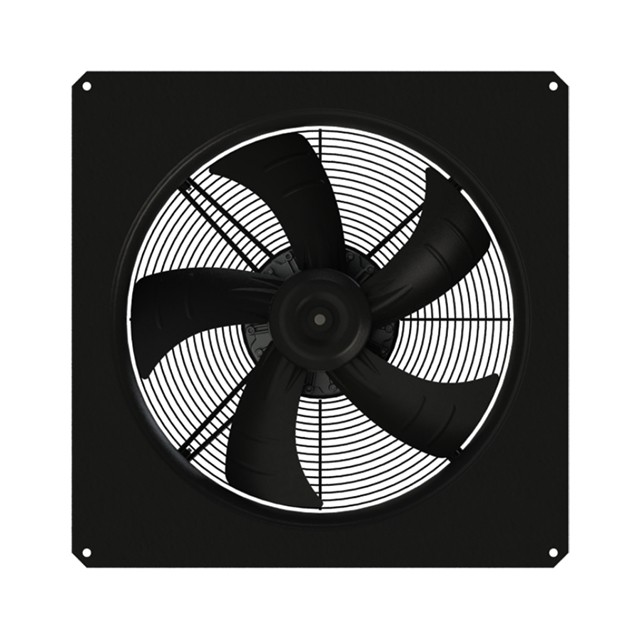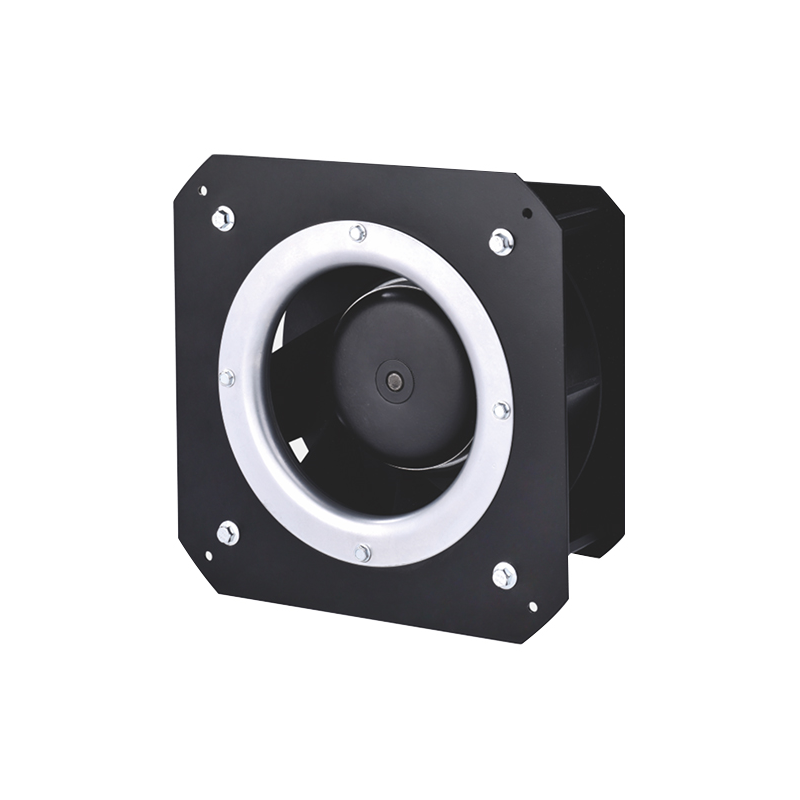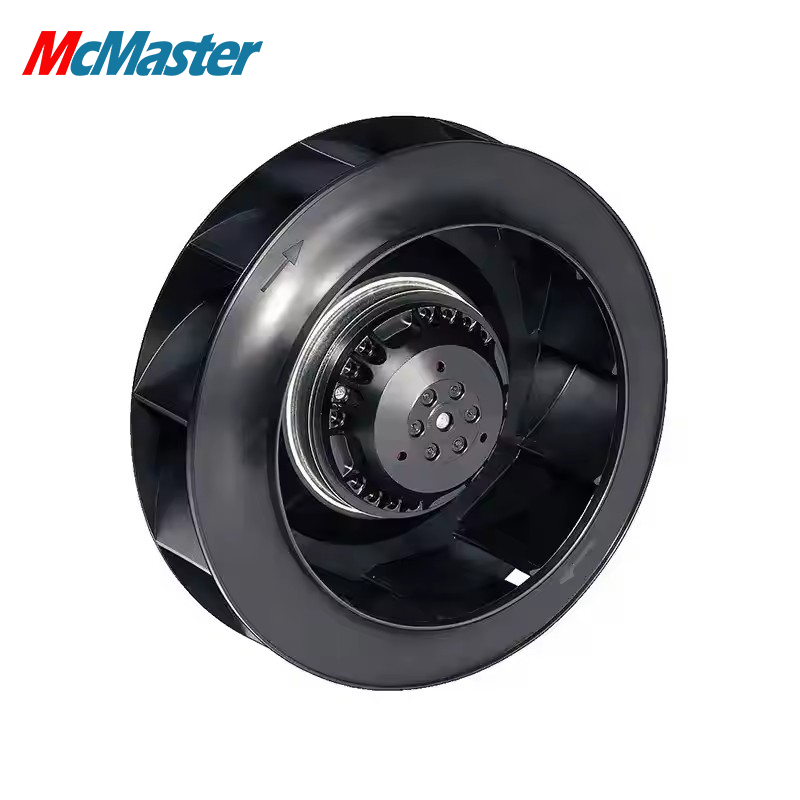
Backward curved blade centrifugal fans are essential components in various industrial applications, offering efficient airflow and reliability. As a B2B buyer, understanding the specifications and considerations for selecting these McMaster Electric centrifugal blower fan is crucial. This article will address key factors such as how to choose the right fan for your project, the specifications to evaluate, cost considerations when purchasing in bulk, common issues and their solutions, and how to effectively compare different fan options. By the end, you will be better equipped to make informed purchasing decisions.
When selecting backward curved blade centrifugal fans, consider the specific requirements of your application. Factors such as airflow volume, pressure requirements, and operational environment play a critical role. Backward curved fans are designed to handle higher pressures and provide efficient airflow, making them suitable for various applications, including HVAC systems, industrial processes, and exhaust systems.
It's essential to assess the compatibility of the fan with existing equipment, including duct sizes and connections. Additionally, consider the noise levels generated during operation, as some applications may have stricter sound restrictions. A comprehensive understanding of your project's unique requirements will guide you in selecting the most appropriate fan.
There are several key specifications to evaluate when selecting backward curved blade centrifugal fans:
Airflow Rate: Measured in cubic feet per minute (CFM) or liters per second (L/s), this indicates the volume of air the fan can move. Ensure that the airflow meets your application requirements.
Static Pressure: This is the resistance the fan must overcome to move air through the system. It is crucial to match the fan's static pressure rating with your system's needs to avoid performance issues.
Motor Power: The power of the motor, typically expressed in horsepower (HP) or kilowatts (kW), determines the fan’s efficiency and ability to maintain desired airflow and pressure levels.
Efficiency Ratings: Look for fans with high efficiency ratings, as they can reduce energy consumption and operational costs over time.
Material and Construction: Depending on the application, fans may be constructed from various materials, including steel or aluminum, which can impact durability and performance in specific environments.
Dimensions: Ensure the physical dimensions of the fan fit within your installation space, considering mounting requirements and any accompanying equipment.
Evaluating these specifications helps ensure that the chosen McMaster Electric double inlet centrifugal fan meets the operational needs and performance expectations of your project.
When purchasing backward curved blade centrifugal fans in bulk, various cost factors come into play.
Unit Price: The initial cost of each fan is a significant factor. Bulk orders often come with discounts, so it’s essential to obtain quotes from multiple suppliers.
Shipping and Handling: Depending on the size and weight of the fans, shipping costs can vary significantly. Ensure you factor in these costs when comparing prices.
Lead Time: Consider the production lead time for bulk orders. Longer lead times may require adjustments in your project schedule, impacting overall costs.
Customization: If you require customized features or specifications, be aware that this can increase both the unit price and lead time. Be sure to communicate your requirements clearly to the manufacturer.
Maintenance and Operating Costs: Evaluate the long-term costs associated with maintenance and operation. Fans with higher efficiency may have a higher upfront cost but lead to lower operating expenses over time.
By thoroughly evaluating these factors, you can better determine the total cost of ownership and make informed purchasing decisions.
Like any mechanical component, backward curved blade centrifugal fans can encounter issues that may affect their performance. Some common problems include:
Vibration: Excessive vibration can indicate misalignment or imbalance. Regular maintenance checks and proper installation can minimize this issue. Ensure that mounting surfaces are level, and blades are free of debris.
Noise: Unusual noises during operation can signal mechanical issues or improper installation. Check for loose components or damaged bearings. Consider the fan's design and material, as these can affect noise levels.
Reduced Airflow: If airflow is lower than expected, it could be due to blockages in the ductwork or the fan itself. Regular cleaning and inspection of the system can prevent this problem.
Overheating: Overheating may indicate an overloaded motor or insufficient airflow. Ensure the motor is correctly sized for the application and that there is adequate ventilation.
Addressing these common issues through proactive maintenance and proper installation practices will help ensure optimal performance and longevity of your fan.
When comparing backward curved blade centrifugal fans from different manufacturers, consider the following criteria:
Performance Data: Review the performance curves provided by manufacturers, which show airflow versus static pressure. This data will help you assess how well a fan will perform under your specific operating conditions.
Warranty and Support: Evaluate the warranty offered by manufacturers, as well as their customer support services. A robust warranty indicates confidence in product quality and can provide peace of mind.
Manufacturing Capabilities: Consider the manufacturer’s experience and capabilities. A supplier with a strong track record in producing high-quality McMaster Electric centrifugal fan hvac will likely offer better reliability and service.
Customization Options: If your application requires unique specifications, assess which manufacturers can accommodate custom orders. This flexibility can be critical for meeting specific project requirements.
References and Reviews: Look for testimonials or case studies from other companies that have purchased similar fans. This can provide insight into the performance and reliability of the products in real-world applications.
By carefully comparing these aspects, you’ll be better equipped to select the right backward curved blade centrifugal fans that meet your needs effectively.

 EN