Introducing the EC fan in an Air Handling Unit (AHU), a vital component designed to enhance efficiency in air circulation and cooling processes across various industries. As a B2B buyer, your main concerns often revolve around energy efficiency, compatibility, and reliability. This article will help you understand how to choose the right EC fan for your AHU, highlighting key specifications, application suitability, and the importance of partnering with a trusted supplier.
Selecting the right EC fan for your Air Handling Unit (AHU) involves understanding your specific requirements, including airflow, pressure, and energy efficiency. Start by assessing the airflow requirements of your application. This is usually measured in cubic feet per minute (CFM) or liters per second (L/s). An EC fan must be capable of delivering the required airflow while maintaining optimal pressure levels.
Next, consider the efficiency rating of the fan. EC fans are known for their energy efficiency, which is essential for reducing operational costs. Look for fans with high-efficiency ratings, as they can lead to significant energy savings over time. Additionally, check the compatibility of the fan with your existing systems. Ensure that the fan's dimensions, mounting options, and electrical specifications align with your AHU setup.
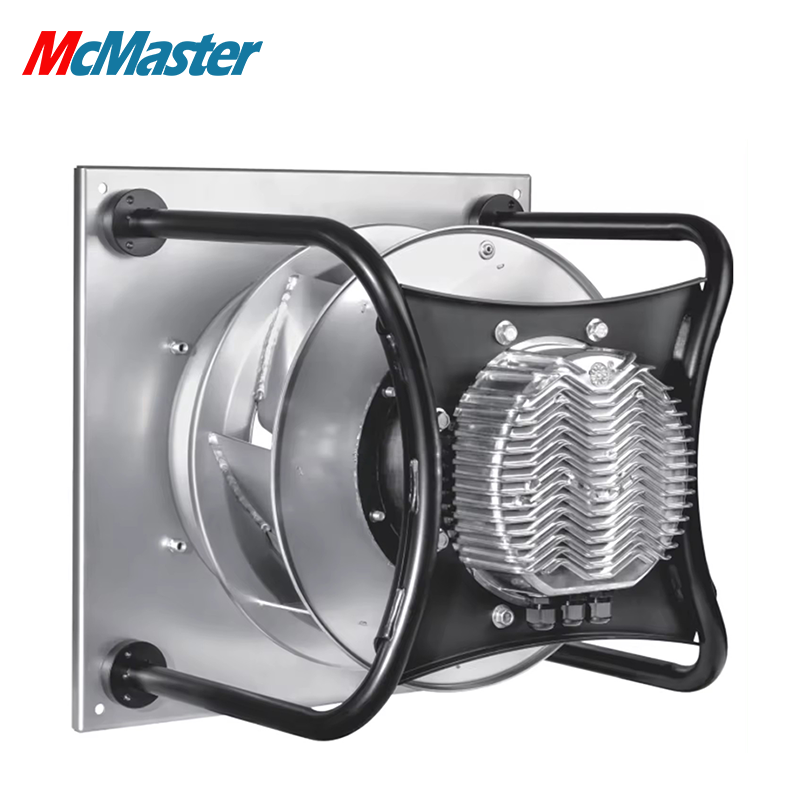
Lastly, evaluate the noise levels produced by the backward curved fan. This is particularly important in environments where noise reduction is a priority, such as offices or hospitals. A fan that operates quietly will contribute to a more comfortable atmosphere.
When evaluating EC fans for AHUs, several key specifications should be taken into account:
Airflow Rate: The airflow rate, expressed in CFM or L/s, indicates how much air the fan can move. Ensure this aligns with the needs of your AHU.
Static Pressure: This is the resistance against which the fan must operate. Understanding the static pressure required for your application is crucial to ensure efficient performance.
Power Consumption: Look at the fan's power consumption in watts. A lower power consumption rating indicates better energy efficiency.
Speed Control: Many EC fans offer variable speed control, allowing you to adjust airflow based on demand. This feature can lead to additional energy savings.
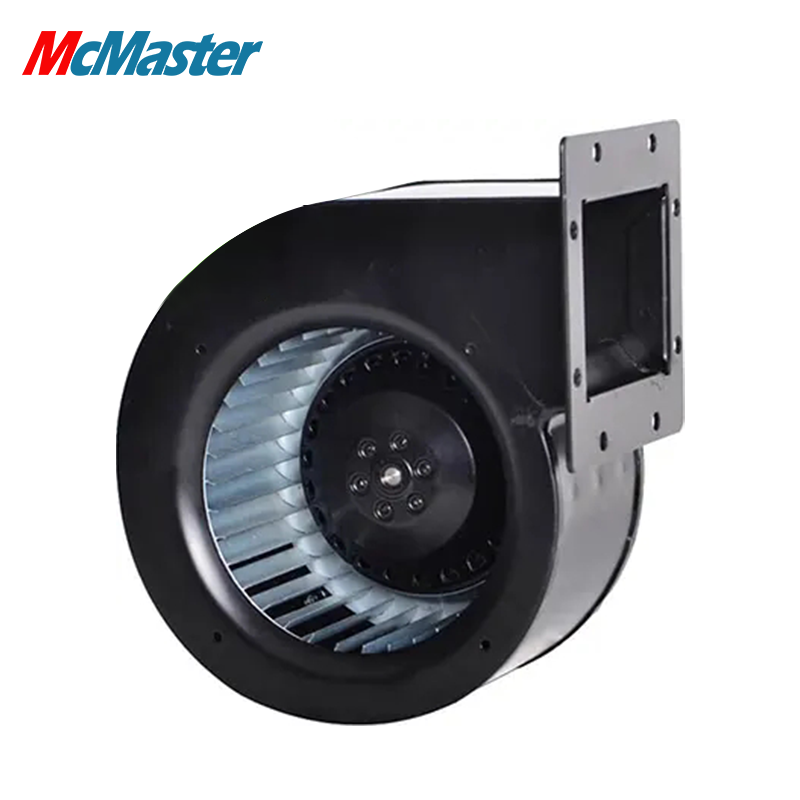
Dimensions and Weight: Ensure the ac centrifugal fan fits within the physical constraints of your AHU. Check both the dimensions and weight for compatibility.
Durability and Material: The materials used in constructing the fan affect its longevity and performance. Fans made from high-quality materials are typically more resistant to wear and environmental factors.
Understanding these specifications will allow you to make an informed decision that aligns with your operational requirements.
When comparing EC fan options for your AHU, it's essential to analyze various models based on performance metrics, efficiency, and pricing. Start by examining the airflow and static pressure capabilities of different models. A fan that provides high airflow with lower static pressure losses is often preferable, as it can lead to better energy efficiency and operational performance.
Next, consider the efficiency ratings of the fans. Fans with higher efficiency not only reduce energy costs but also have a lower environmental impact. Additionally, evaluate the fan's warranty and support services offered by the manufacturer. A robust warranty can provide peace of mind, ensuring that any potential issues are addressed promptly.
It's also wise to consider the noise levels of each centrifugal fan hvac model. Compare the decibel (dB) ratings to ensure that the chosen fan operates within acceptable noise limits for your application.
Finally, assess the pricing of the options available. While it's tempting to choose the least expensive option, consider the total cost of ownership, including installation, energy consumption, and maintenance.
EC fans are versatile components that find applications across a wide range of industrial settings. In commercial buildings, they are commonly used in HVAC systems to improve energy efficiency and maintain comfortable indoor environments. In the automotive industry, EC fans help regulate temperature in manufacturing processes, ensuring optimal conditions for equipment and personnel.
In the medical field, EC fans are critical for maintaining sterile environments in hospitals and laboratories. Their ability to provide precise airflow control makes them ideal for applications that require strict adherence to environmental standards.
Additionally, EC fans are used in consumer electronics for cooling purposes, ensuring that devices operate within safe temperature ranges. Their application spans across numerous sectors, highlighting their importance in modern manufacturing and operational efficiency.
Choosing the right supplier for your EC fan needs is as important as selecting the fan itself. A trusted supplier, like Changzhou McMaster Electric, brings 20 years of experience in manufacturing and servicing a diverse range of industries. They can provide valuable insights into product specifications, customization options, and application suitability.
Moreover, a reliable supplier will offer comprehensive support, including technical assistance and after-sales service. This support can be crucial when addressing installation challenges or troubleshooting operational issues. They should also be able to provide documentation regarding certifications and quality control processes, which are essential for ensuring that the products meet industry standards.
Additionally, a reputable supplier will have a proven track record of delivering quality products consistently, which is vital for maintaining operational efficiency in your AHU systems. Engaging with a trustworthy supplier not only enhances your procurement process but also builds a long-term partnership that can contribute to your business's success.
By understanding how to choose the right EC fan for your AHU, evaluating key specifications, and recognizing the importance of partnering with a reliable supplier, you can make informed purchasing decisions that align with your operational goals and ensure optimal performance in your applications.

 EN