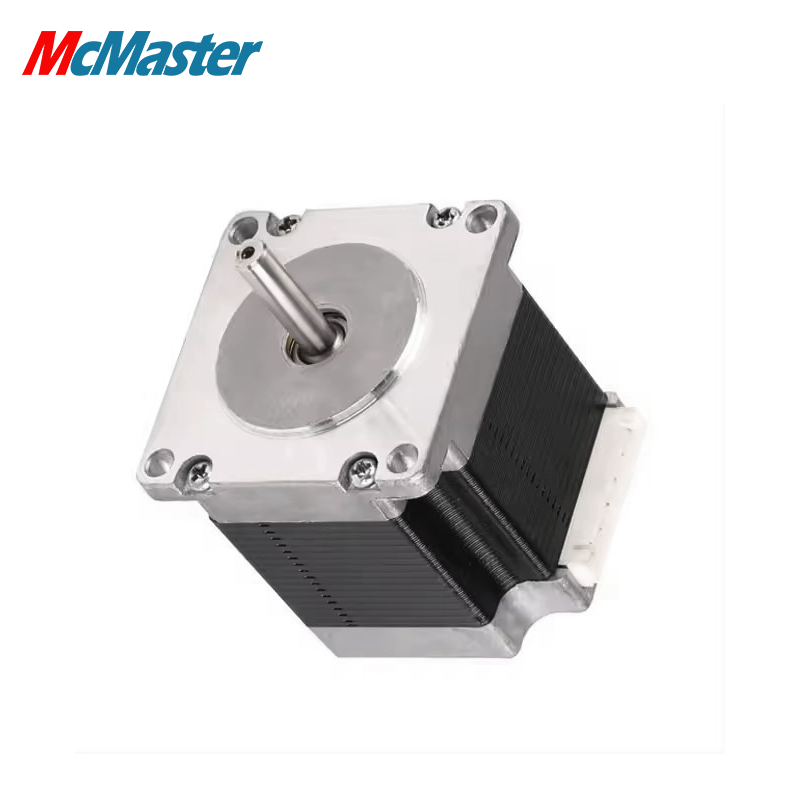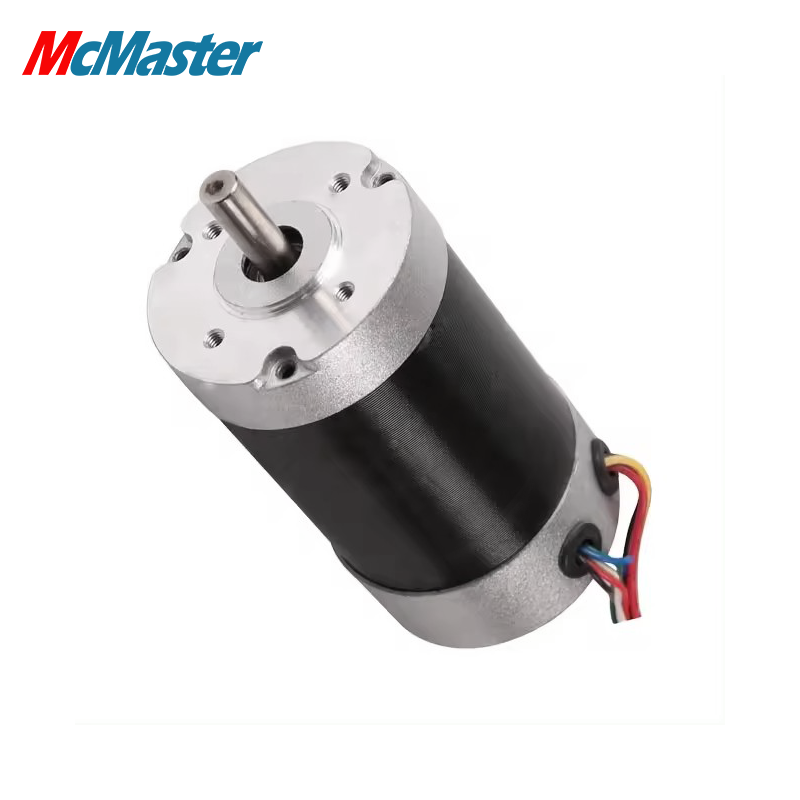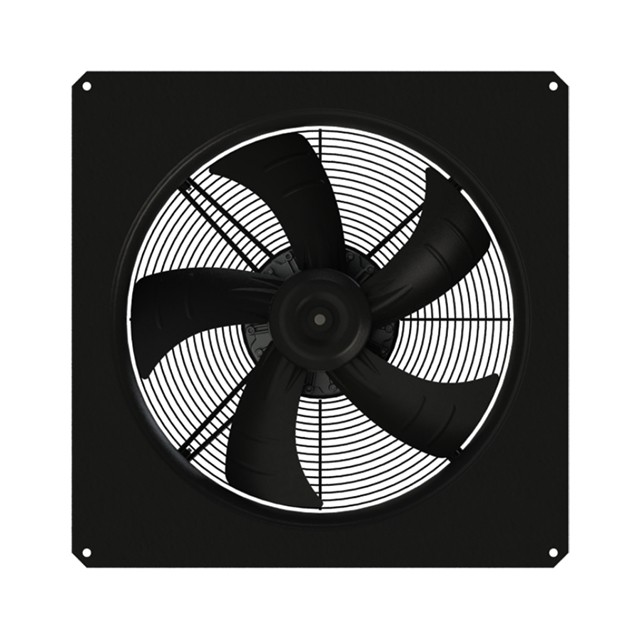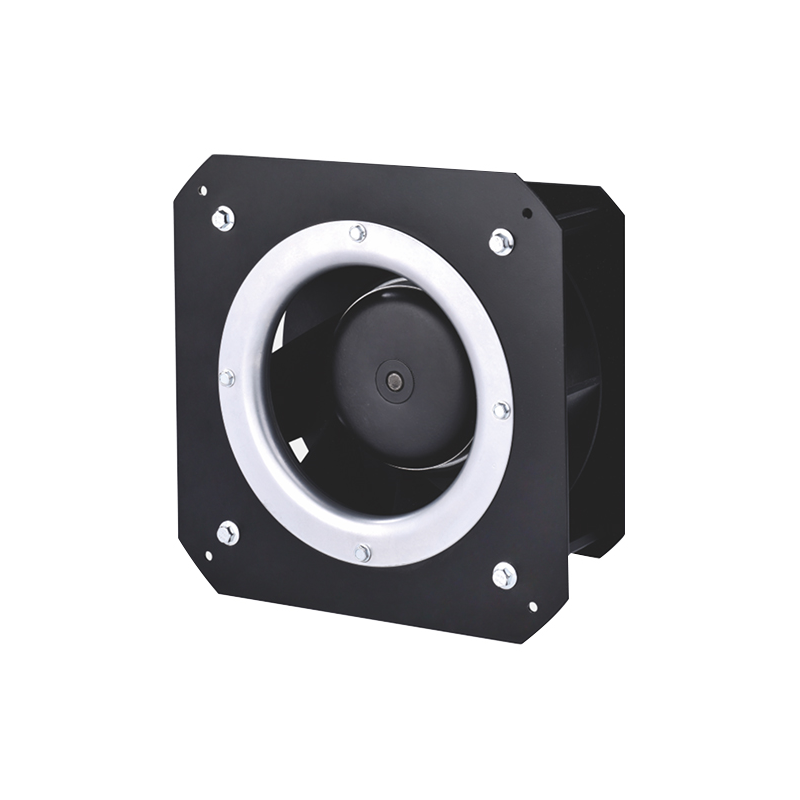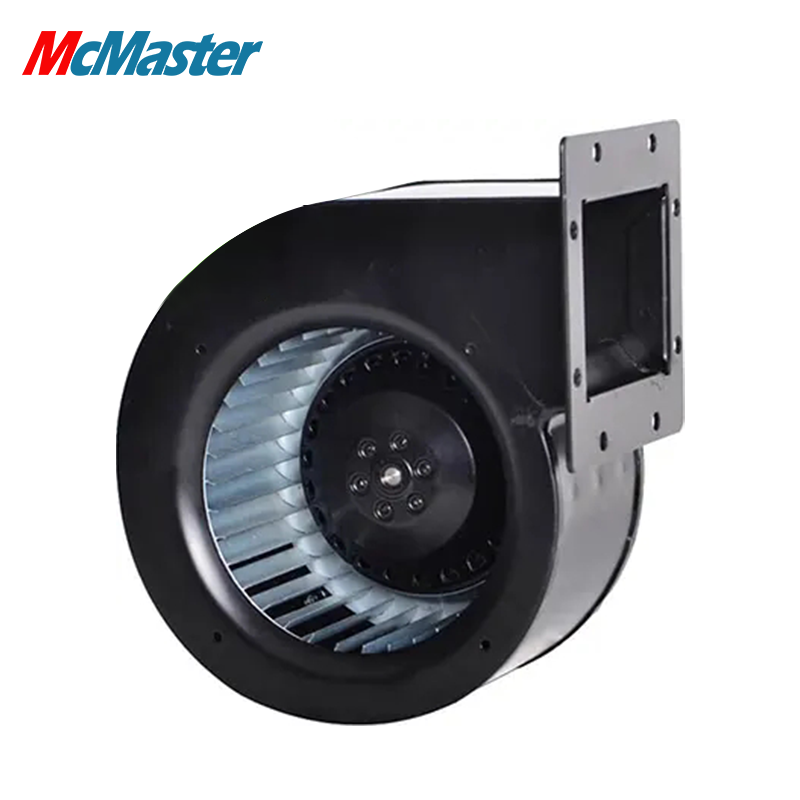
Selecting the right forward curved centrifugal blower is crucial for various industrial applications, including HVAC systems, pneumatic conveying, and dust collection. This article will guide purchasing managers, engineers, and product managers through the key considerations when choosing these McMaster Electric ec centrifugal blower, from specifications to supplier sourcing, installation, and troubleshooting. Understanding these elements will empower buyers to make informed decisions that enhance operational efficiency and ensure a reliable supply of air movement solutions.
When selecting a forward curved centrifugal blower, several factors should be taken into account to ensure optimal performance and suitability for your application.
Specifications: Key specifications include airflow capacity (measured in CFM or m³/h), static pressure, and motor power. It's essential to match these specifications to your system requirements to avoid inefficiencies. For instance, insufficient airflow can lead to underperformance while excessive airflow can create unnecessary energy costs.
Material Selection: The materials used in the blower construction significantly affect its durability and application suitability. Common materials include galvanized steel for general applications, stainless steel for corrosive environments, and plastic for lightweight and lower-cost options. Always consider the operating environment's temperature and humidity when selecting materials.
Noise Levels: Forward curved centrifugal blowers are known for their quieter operation compared to other designs. However, it's important to check the manufacturer's sound ratings (in dBA) to ensure compliance with local noise regulations and to meet workplace standards.
Installation Requirements: Evaluate the installation space available, including layout and mounting options. Some blowers may require more clearance than others for maintenance and operation, influencing your choice.
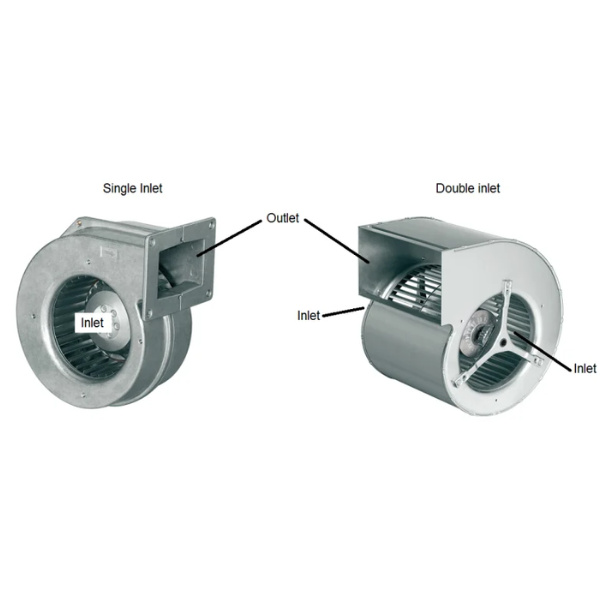
Customization Options: Depending on your specific needs, you may require custom features such as variable speed control, specific inlet/outlet configurations, or additional filtration systems. Confirm the manufacturer's ability to accommodate these requests.
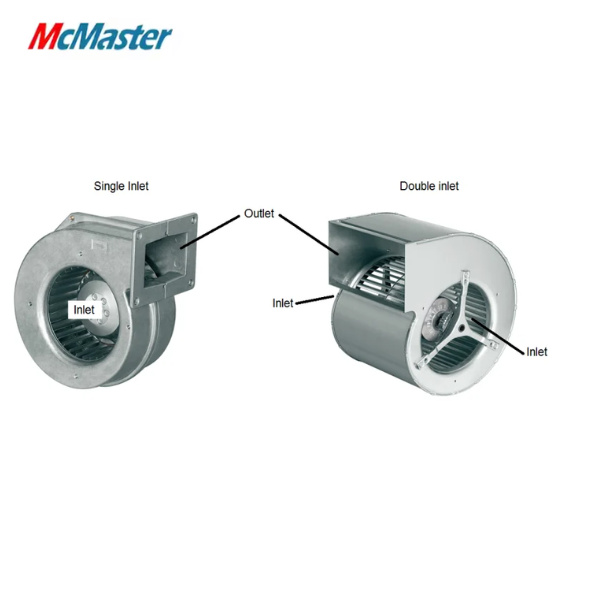
Finding a reliable supplier for forward curved centrifugal blowers is key to ensuring quality and performance. Here are some strategies to identify trustworthy manufacturers:
Industry Research: Start by researching manufacturers known for their experience in producing blowers and related HVAC components. Look for companies with a strong track record and positive customer reviews. Changzhou McMaster Electric, for example, has evolved over 20 years into a trusted manufacturer in the automation and industrial solutions sector.
Trade Shows and Expos: Attending industry-specific trade shows offers firsthand experience with various manufacturers. You can evaluate their products, speak with representatives, and build relationships that may facilitate future negotiations or inquiries.
Online Marketplaces: Platforms like ThomasNet, Alibaba, or Global Sources can provide a broad list of suppliers. Ensure you check the supplier's ratings, reviews, and transaction history to gauge their reliability.
Certifications and Standards: Verify that potential suppliers adhere to relevant industry standards and possess certifications, such as ISO 9001. This ensures that their manufacturing processes meet quality management requirements.
Samples and Technical Support: Before placing a bulk order, request product samples to evaluate performance. Additionally, assess the suppliers' technical support capabilities, as responsive customer service can significantly impact installation and troubleshooting.
Pricing for forward curved centrifugal blowers can vary based on several factors. Here are key considerations to keep in mind when evaluating costs for bulk orders:
Materials and Specifications: The choice of materials and technical specifications will directly impact the price. Higher quality materials and advanced features, such as integrated control systems, typically come at a premium.
Quantity Discounts: Many suppliers offer tiered pricing based on order volumes. It’s beneficial to inquire about bulk purchase discounts, which can significantly reduce the unit price.
Customization Costs: If your order requires custom features, be sure to factor in the additional costs associated with these modifications. Customization can include specific dimensions, motor configurations, and additional components.
Shipping and Handling: Shipping costs can vary based on the size and weight of the blowers. Consider the distance from the supplier to your location and any import duties if applicable.
Maintenance and Operating Costs: While the initial purchase price is important, consider long-term ownership costs, including energy consumption and maintenance needs. Energy-efficient McMaster Electric centrifugal blower fan models may have a higher upfront cost but can lead to savings over time.
Proper installation of forward curved centrifugal blowers is essential for optimal performance. Here are some best practices:
Site Preparation: Ensure the installation site is clean and free from obstructions. Check that the foundation is level and stable to reduce vibrations that can affect performance.
Orientation and Positioning: Follow the manufacturer’s guidelines for positioning the blower. Proper orientation helps ensure adequate airflow and minimizes noise levels. Ensure that there is sufficient clearance around the blower for maintenance and air intake.
Electrical Connections: Ensure that the electrical supply matches the blower's specifications. Improper voltage can damage the motor or reduce efficiency. It’s advisable to have a qualified electrician handle electrical connections.
Ductwork Integration: When connecting the blower to ductwork, ensure that seals are tight to prevent air leaks. The duct diameter should match the blower outlet to maintain optimal airflow.
Testing and Calibration: After installation, conduct tests to check airflow, pressure, and noise levels. Adjust settings as necessary to achieve desired performance metrics.
With over 20 years of experience in robotics, IoT, automotive, and healthcare industries, we offer customized technical support and engineering solutions tailored to specific business requirements. Our end-to-end custom services ensure seamless integration and long-term reliability.
Established in 2001, we leverage our multinational expertise to deliver customized electrical and automation solutions to customers in over 150 countries. Our tailored engineering services ensure that businesses worldwide receive high-performance, industry-specific solutions that enhance efficiency and reliability.
Committed to advancing electrification and automation, we integrate custom-built technology solutions to optimize production, reduce costs, and lower environmental impact. Our expertise in high-efficiency power systems and smart automation helps businesses achieve sustainable growth with customized solutions.
From automotive manufacturing to industrial automation, consumer electronics, and medical technology, our extensive product range includes custom-designed robotics, IoT solutions, and smart automation systems. We offer flexible customization options to meet the evolving needs of global industries.
Understanding potential problems and their solutions is vital for maintaining operational efficiency. Here are some common issues:
Vibration and Noise: Excessive vibration or noise can indicate misalignment or imbalance in the blower. Check mounting bolts and ensure that the blower is securely fastened. Inspect for debris or dust accumulation that may affect performance.
Reduced Airflow: If airflow is lower than expected, check for blockages in the ductwork or filters. Ensure that the blower is sized appropriately for the application; an undersized blower may struggle to meet air movement demands.
Overheating: An overheating blower can be a result of insufficient airflow, causing the motor to work harder. Ensure that the intake is unobstructed and that the blower is not exceeding its rated performance specifications.
Motor Failure: If the blower fails to start or operates erratically, inspect the electrical connections and motor condition. Regular maintenance, including lubrication and check-ups, can prevent motor issues.
Frequent Breakdowns: If breakdowns occur frequently, consider whether the blower meets the application requirements. Consulting with the manufacturer can help identify if a more robust model is needed. Regular maintenance checks of McMaster Electric forward curved centrifugal fans can also prevent unexpected failures.
By understanding the essential aspects of forward curved centrifugal blowers, buyers can make informed decisions that enhance operational efficiency and reliability. Whether you're sourcing suppliers, evaluating costs, or troubleshooting problems, thoughtful consideration will lead to successful outcomes in your application.

 EN