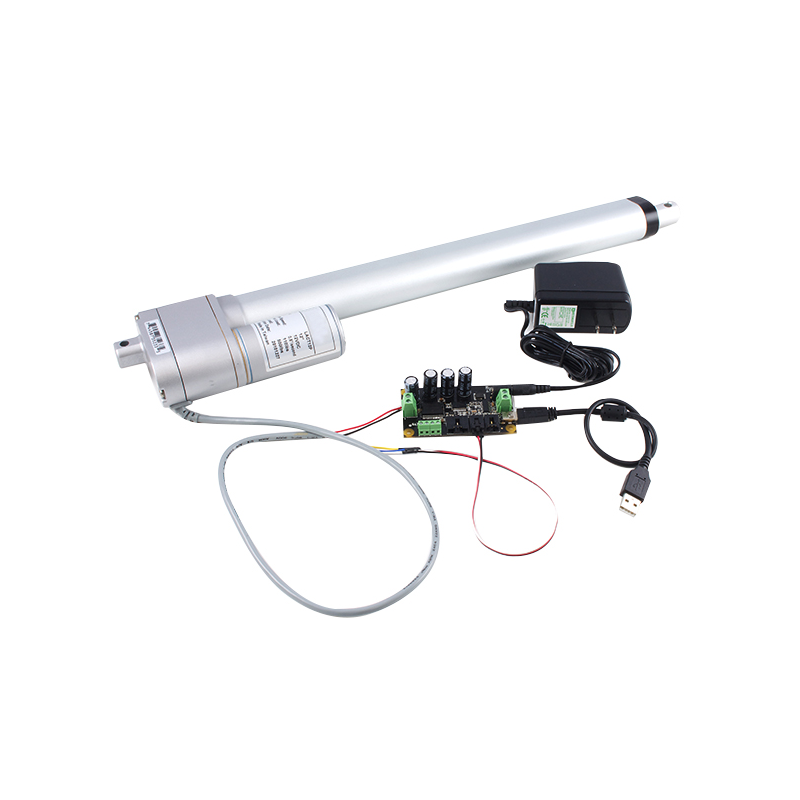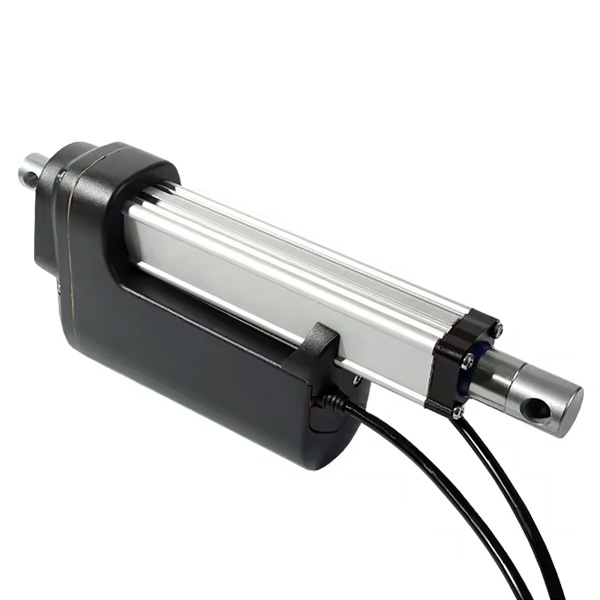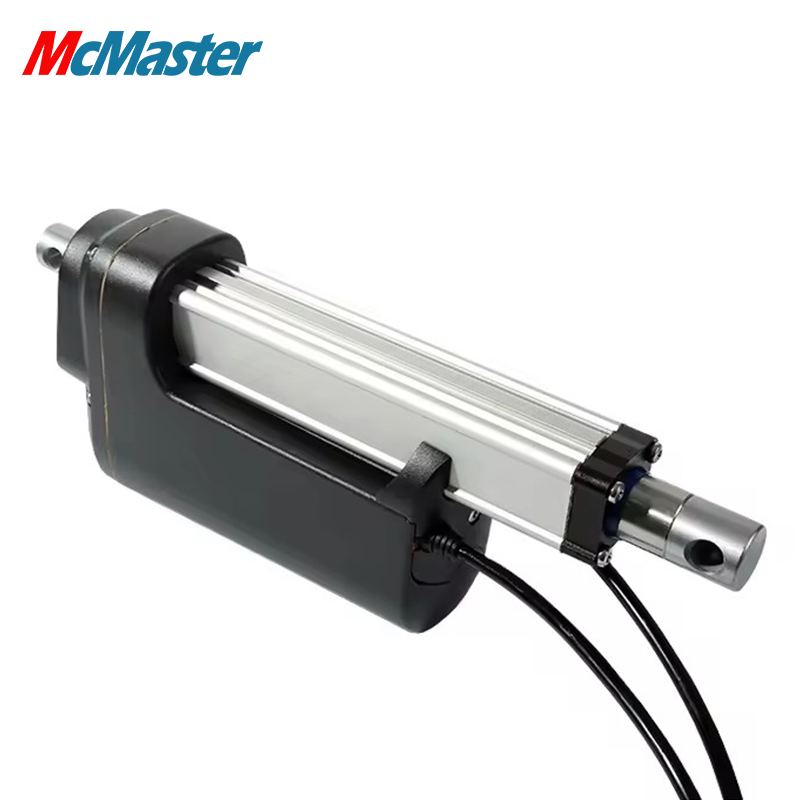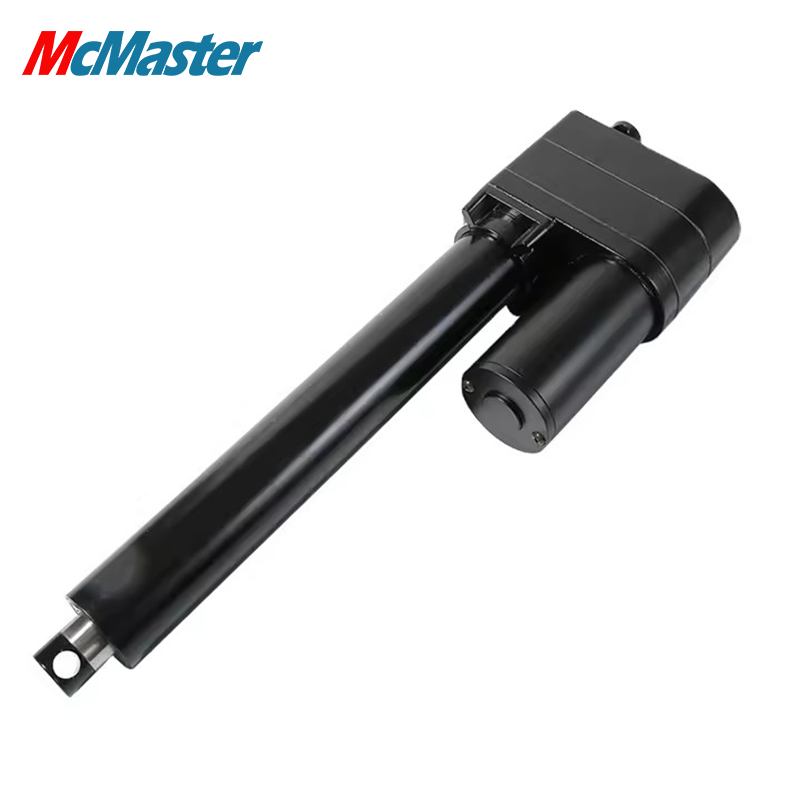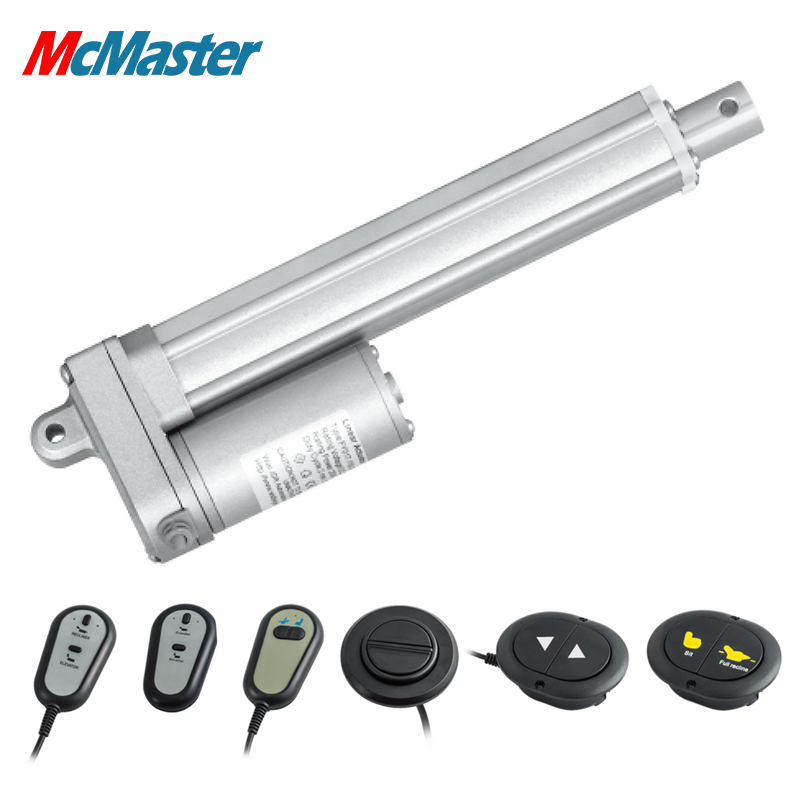
Linear actuators are crucial components in various automation applications, providing precise motion control in systems ranging from robotics to medical devices. Specifically, a 24V linear actuator offers a balance of efficient power consumption and performance, making it highly sought after by engineers and purchasing managers alike. , we will explore key considerations when sourcing 24V linear actuators, installation tips for optimal performance, common issues and solutions, their diverse applications across industries, and guidance on selecting the right 12 volt dc linear actuator for your specific needs.
When sourcing 24V linear actuators for bulk orders, it's important to identify suppliers with a solid reputation in manufacturing and a commitment to quality. Look for companies that have extensive experience in the field, such as Changzhou McMaster Electric, which has been in operation since 2001. Their focus on electrification and automation ensures that their products are not only reliable but also incorporate the latest technological advancements.
Key considerations when sourcing include:
Quality Certifications: Ensure that the manufacturer has relevant industry certifications, which can provide assurance of product quality and compliance with safety standards.
Customization Capabilities: Many projects require unique specifications. Suppliers should be able to provide customization options to tailor the actuator to specific applications.
Minimum Order Quantities (MOQ): Understand the supplier’s MOQ, as this can significantly impact your purchasing decisions, especially if you require a range of sizes or models.
Lead Times: Inquire about production and delivery schedules to ensure that the supplier can meet your project timelines.
By focusing on these factors, you can effectively source high-quality McMaster Electric 24V linear actuators that meet your operational needs.
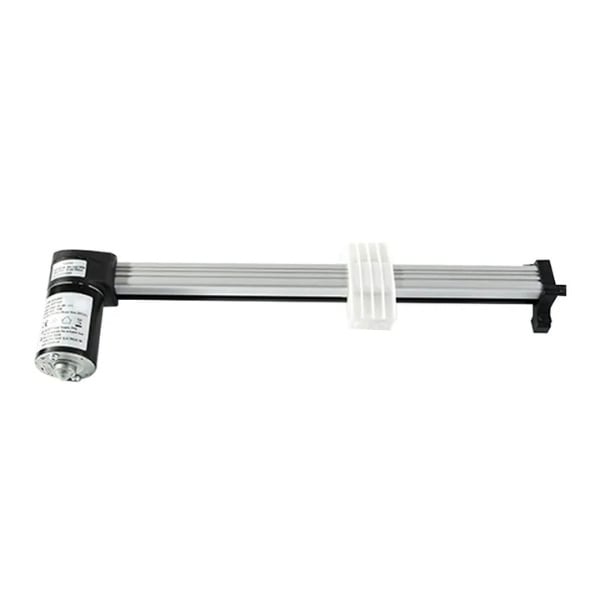
Installing a 24V linear actuator correctly is essential for ensuring its long-term performance and reliability. Here are some steps and considerations to follow during installation:
Mounting Orientation: Ensure that the actuator is mounted according to the manufacturer’s recommendations. This includes considering the weight of the load and the orientation of the actuator, as this will affect its performance and longevity.
Electrical Connections: Proper wiring is critical. Verify that the electrical connections are secure and that the voltage supplied matches the actuator’s specifications. Incorrect voltage can lead to performance issues or even damage.
Testing Movement: After installation, conduct a test run to check the actuator's movement. Ensure it operates smoothly through its full range of motion and that there are no obstructions or unusual noises.
Regular Maintenance: Implement a maintenance schedule to inspect the actuator periodically. Look for signs of wear or damage, and ensure that all connections remain secure.
By following these installation guidelines, your electric motor linear actuator should perform optimally, minimizing the risk of downtime and maximizing efficiency.
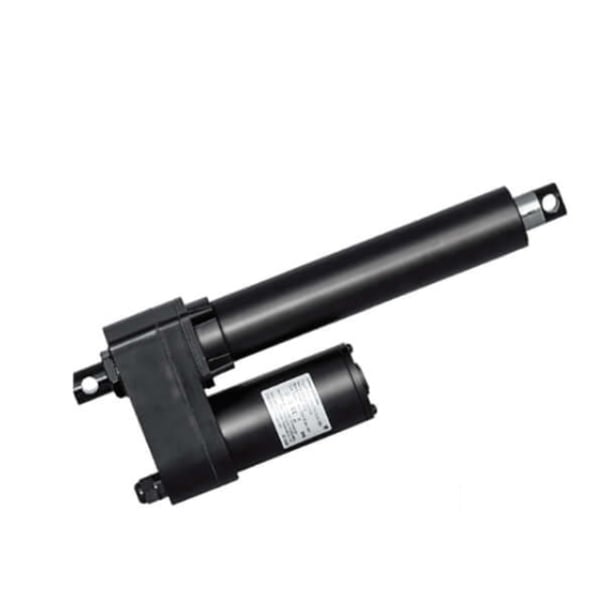
Despite their reliability, McMaster Electric 24V linear actuators can encounter issues that affect their performance. Here are some common problems and their potential solutions:
Insufficient Power: If the actuator does not operate or moves sluggishly, check the power supply to ensure it meets the required voltage and amperage. Inspect connections for any loose or damaged wiring.
Overheating: This can occur if the actuator is used beyond its rated load capacity. Ensure that the load applied is within the actuator’s specifications. If overheating persists, consider implementing a cooling mechanism or selecting a more robust actuator model.
Mechanical Binding: If the actuator experiences resistance during movement, inspect the mounting setup for alignment issues. Ensure that the actuator is not in contact with any obstacles that could impede its movement.
Signal Interference: If the actuator is controlled via a signal, ensure that the control system is functioning correctly and that there are no issues with signal interference, which can lead to erratic behavior.
By proactively addressing these common issues, you can ensure that your 24V linear actuators remain operational and effective.
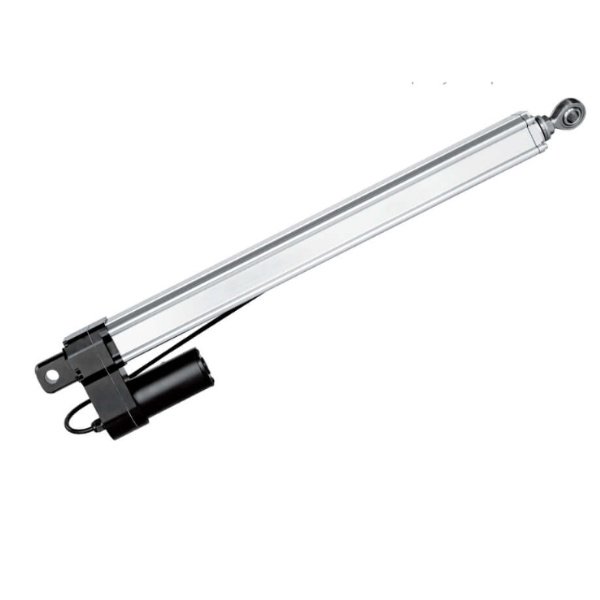
24V linear actuators are versatile components used across multiple industries due to their efficiency and adaptability. Here are some notable applications:
Industrial Automation: In manufacturing settings, 24V linear actuators facilitate tasks such as material handling, assembly processes, and automated machine movement, improving productivity and precision.
Consumer Electronics: These actuators are used in devices requiring precise motion control, such as adjustable screens, robotic vacuum cleaners, and smart home devices.
Medical Equipment: In healthcare, 24V linear actuators can be found in hospital beds, wheelchairs, and diagnostic machines, where precise positioning is critical for patient care.
Automotive: Actuators are used in applications like seat adjustments, trunk lifts, and automated closures, enhancing user comfort and vehicle functionality.
Robotics: In robotics, 24V linear actuators offer precise control for robotic arms and other moving parts, enabling advanced automation and operational capabilities.
The diverse applications illustrate the importance of selecting the right actuator based on industry requirements and specific application needs.
Choosing the right McMaster Electric 24V linear actuator involves evaluating several key factors that align with your project's requirements:
Load Capacity: Assess the maximum load your application will require. Each actuator has a specified load limit, which should be considered to avoid performance issues.
Stroke Length: Determine the required stroke length based on the application’s movement needs. This specification is crucial for ensuring that the actuator can adequately perform its intended function.
Speed and Performance: Consider the required speed of movement. Different actuators offer varying speeds, which can affect the efficiency of your application.
Environmental Conditions: If the actuator will be used in harsh environments, look for options that offer protection against dust, moisture, or temperature fluctuations.
Customization Needs: If your application requires specific features, such as unique mounting options or control mechanisms, ensure that the supplier can accommodate these requirements.
By carefully reviewing these factors, you can make an informed decision on which industrial linear actuator best suits your needs, ensuring optimal performance and reliability in your application.

 EN