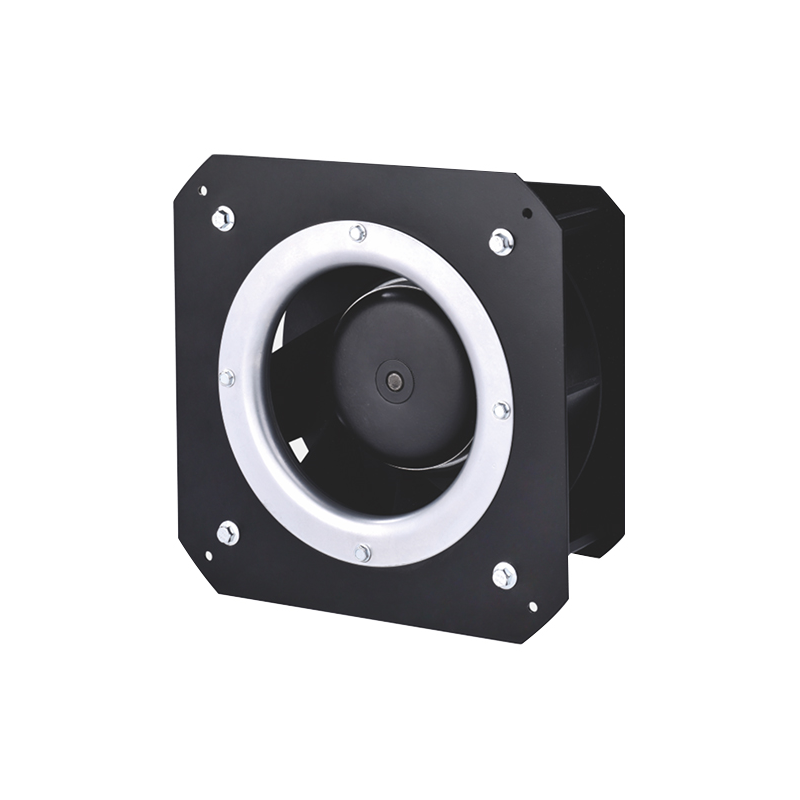
Ventilation axial fans are critical components in various industrial and commercial applications, providing efficient airflow and cooling solutions. When sourcing these fans, it's essential for B2B buyers to consider factors such as performance specifications, quality, cost, and installation challenges. This article aims to provide practical insights that will help purchasing managers, engineers, and product managers make informed decisions when selecting ventilation axial motor fan for wholesale procurement.
When sourcing ventilation axial fans, buyers should prioritize key specifications that directly impact performance and suitability for specific applications. Some critical specifications to evaluate include:
Airflow Rate: Measured in cubic feet per minute (CFM), the airflow rate indicates the volume of air the fan can move. It's vital to match this with the requirements of the application to ensure adequate ventilation.
Static Pressure: This specification defines the resistance the fan can overcome in the system, usually measured in inches of water gauge (in. wg). Understanding the static pressure helps ensure that the fan can function efficiently in the intended environment.
Noise Level: Measured in decibels (dB), the noise level is crucial for applications where noise pollution is a concern. Buyers should request sound performance data to ensure compliance with local regulations or operational standards.
Power Consumption: Evaluating the motor's power rating (typically in watts) helps in understanding the energy efficiency of the industrial axial fans, which is particularly important for long-term operational costs.
Dimensions and Mounting Options: Buyers need to consider the physical size of the fan and the available mounting configurations to ensure compatibility with existing systems.
By carefully assessing these specifications, buyers can select axial fans that meet their specific operational requirements.
Quality assurance is a vital aspect when purchasing ventilation axial fans in bulk. Buyers should consider the following factors:
Manufacturing Standards: Verify if the fans are produced in accordance with recognized industry standards (such as ISO certifications). This can provide confidence in the reliability and safety of the products.
Material Selection: The materials used in the construction of the fan, such as the fan blades and casing, should be durable and suited for the application environment. For instance, corrosion-resistant materials may be necessary for humid or chemical-laden atmospheres.
Quality Control Processes: Understand the supplier's quality control measures, including testing procedures for performance and durability before the fans are shipped. Request documentation of quality tests to ensure compliance with specifications.
Warranty and Support: A solid warranty can indicate the manufacturer's confidence in their product. Buyers should also assess the level of after-sales support and availability of replacement parts.
References and Case Studies: Request references from previous buyers or case studies to gauge the performance of the fans in similar applications. This real-world feedback can be invaluable in assessing quality.
By focusing on these quality evaluation aspects, B2B buyers can mitigate risks and ensure they are investing in reliable ventilation axial fans.
Cost is often a significant concern for buyers considering ventilation axial fans. Here are several key factors that influence pricing:
Volume Discounts: Ordering in bulk typically allows for negotiated discounts. Be sure to inquire about pricing tiers based on quantity to maximize cost savings.
Customization Requirements: Custom features, such as specific dimensions, materials, or additional functionalities, can affect the overall cost. Clearly define any customization needs before requesting quotes.
Shipping and Handling Costs: Consider the logistics of transporting the fans. Shipping costs can vary based on the fan size, weight, and destination, which can significantly impact the total purchase price.
Long-term Operating Costs: While initial costs are important, it’s also wise to consider the energy efficiency of the fans, as this will influence operational costs over time. A more efficient fan may have a higher upfront cost but lower energy bills.
Supplier Reputation: Established suppliers with a strong reputation may charge more, but they often provide better quality assurance and customer support, which can save costs in the long run.
By understanding these cost factors, buyers can make informed decisions that align with their budgetary constraints while ensuring quality and performance.
Installation can pose challenges that may affect the performance of ventilation axial fans. Here are some common issues and their solutions:
Improper Alignment: Fans must be correctly aligned with ducts or other equipment to prevent vibrations and reduce efficiency. Use alignment tools during installation to ensure proper positioning.
Insufficient Space: Ensure adequate clearance around the fan for airflow and maintenance access. Pre-installation site assessments can prevent space-related issues.
Electrical Connections: Ensure that electrical connections are secure and compatible with the fan’s motor specifications. Incorrect wiring can lead to operational failures or safety hazards.
Vibration and Noise: Excessive noise and vibration can indicate improper installation or mounting. Using vibration isolation mounts can reduce these issues and improve overall operational performance.
Inadequate Support Structures: Fans should be mounted on stable and secure surfaces to prevent movement during operation. Evaluate existing structures and reinforce them if necessary.
By anticipating these common installation issues and planning accordingly, buyers can ensure a smoother installation process and optimal fan performance.
The choice of materials is a crucial factor that impacts the performance and longevity of ventilation axial fans. Here’s how different materials can affect fan operation:
Blade Material: The material used for fan blades (aluminum, plastic, or composite) affects weight, durability, and performance. For example, lightweight aluminum blades can offer higher efficiency but may not withstand corrosive environments.
Casing Material: The casing protects internal components and contributes to overall durability. Stainless steel or coated materials can be essential for environments exposed to moisture or chemicals.su
Motor Components: The motor's construction materials influence its efficiency and reliability. High-quality copper windings and durable bearings can lead to better performance and a longer lifespan.
Thermal Resistance: Materials with higher thermal resistance are better suited for high-temperature applications. Buyers should specify operating temperature ranges when discussing material options with axial fan manufacturers.
Weight Considerations: The weight of the materials can affect installation and the structural requirements of the mounting location. Lightweight materials may simplify installation but should not compromise strength and durability.
Understanding how material choices impact performance allows buyers to make better decisions that align with their operational needs and environmental conditions.

 EN