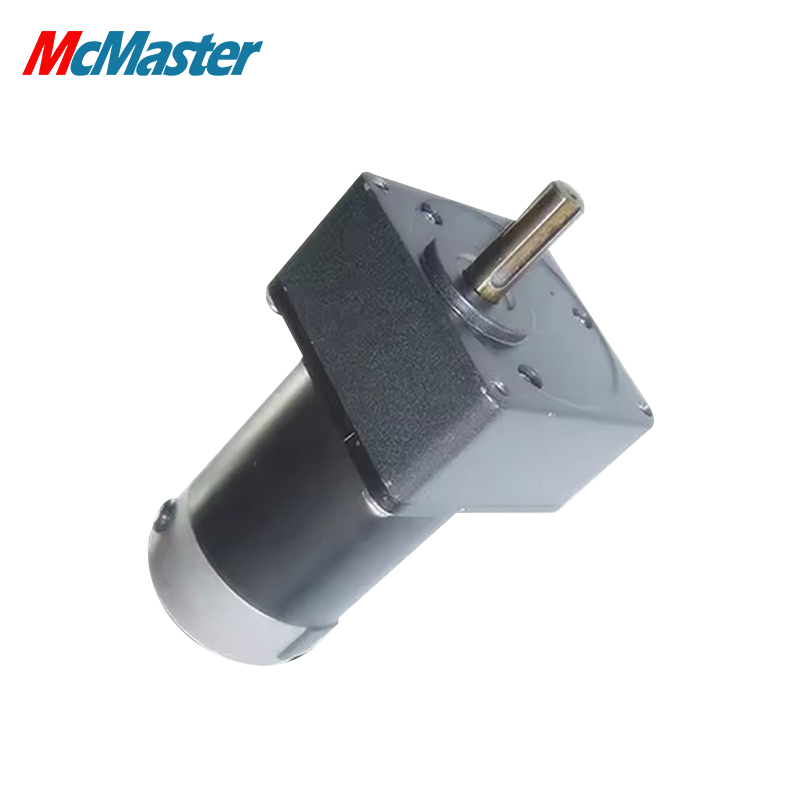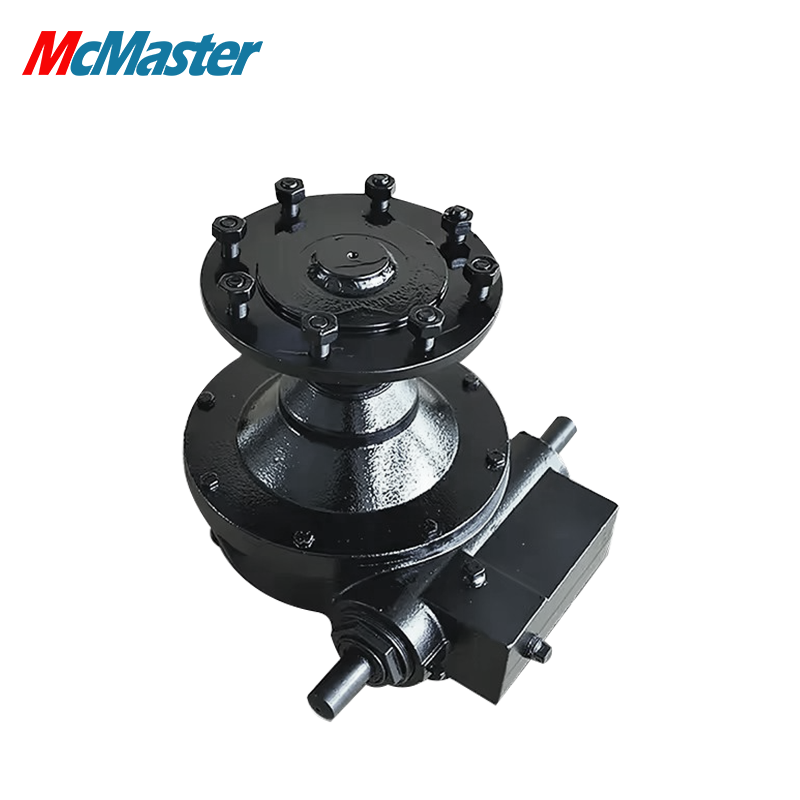
Worm gear DC motors, particularly the 24V variety, are essential components in various industrial applications. These motors are designed to provide high torque output in a compact form factor, making them a popular choice among engineers and purchasing managers. As a buyer, you may be concerned about specifications, reliability, and application suitability when evaluating suppliers. This article will guide you through the key specifications, sourcing options, cost factors, and ideal applications for 24V worm gear DC motors, helping you make informed purchasing decisions.
When selecting a 24V worm gear DC motor, several specifications are critical to ensure the motor meets your application needs. Key specifications include:
Torque Output: The torque output is a measure of the motor's ability to perform work. It's crucial to match the torque rating with your application requirements to avoid underperformance or motor failure. Buyers should consider both stall torque and continuous torque ratings.
Speed Rating: The speed rating, typically measured in RPM (revolutions per minute), indicates how fast the worm motor gear can rotate under specified load conditions. It’s essential to confirm that the speed aligns with your operational needs.
Gear Ratio: The gear ratio affects the torque and speed output of the motor. A higher gear ratio increases torque but reduces speed, while a lower ratio does the opposite. Understanding the correct gear ratio for your application is vital for optimal performance.
Dimensions: The physical size of the motor impacts installation and compatibility with existing equipment. Buyers should ensure that the motor dimensions fit within the design constraints of their systems.
Material Construction: The materials used in the motor and gear assembly affect durability and performance. Common materials include aluminum for housing and steel for gears, which provide strength and resistance to wear.
Operating Environment: Consider the environmental conditions where the motor will be used, including temperature fluctuations, humidity, and exposure to dust or chemicals. Selecting a motor rated for your specific environment is crucial to longevity and reliability.
By focusing on these specifications, buyers can ensure that they select a 24V worm gear DC motor that meets their operational requirements effectively.
Finding reliable suppliers for 24V worm gear DC motors involves assessing various avenues:
Industry Trade Shows: Attending industry-specific trade shows enables buyers to meet manufacturers and discuss product specifications directly. This face-to-face interaction can provide insights into the supplier's capabilities and customer support.
Online Marketplaces and Directories: Websites host numerous manufacturers and suppliers. It's essential to verify supplier credentials, read reviews, and check for certifications.
Manufacturer Websites: Many established manufacturers, like Changzhou McMaster Electric, provide detailed information about their products, including specifications, applications, and technical support. Reviewing technical documentation and support services can help assess their reliability.
Industry Associations and Forums: Engaging with industry associations or online forums can connect buyers with reputable suppliers and allow for discussions regarding best practices and recommendations.
Local Distributors: Local distributors often stock various motors and can provide immediate assistance and support. They may also offer faster delivery times compared to overseas suppliers.
When evaluating potential suppliers, consider their production capabilities, quality control processes, and customer support services, ensuring they can meet your specific requirements.
Understanding cost factors is crucial for budgeting and ensuring value in your purchase of 24V worm gear DC motors:
Material and Manufacturing Costs: The materials used in construction significantly affect the price. The worm gear motor made from high-quality materials may be more expensive but often provide better performance and durability.
Custom Features: Customization options, such as specific gear ratios or additional features like encoders, can increase the cost. Buyers should assess the necessity of these features against their application requirements.
Order Volume: Many suppliers offer discounts for bulk orders. Understanding the minimum order quantity (MOQ) and how it impacts pricing is vital for cost management.
Shipping and Handling: Freight costs can vary significantly based on the supplier's location and the delivery destination. Buyers should factor in shipping costs when evaluating supplier quotes.
Lead Time: Longer lead times can impact project timelines and may lead to expedited shipping fees. Communicating expected delivery timelines with suppliers can help align production schedules.
By considering these cost factors, buyers can make more informed financial decisions when purchasing 24V dc worm gear motor.
24V worm gear DC motors are versatile and can be utilized across various industries due to their compact design and high torque output. Some of the best applications include:
Robotics: In robotic applications, these motors provide precise control over movement and positioning, making them ideal for robotic arms and automated guided vehicles.
Consumer Electronics: Many consumer products, such as window blinds and electronic locks, utilize 24V worm gear DC motors for their efficiency and reliability.
Medical Equipment: In the medical field, these motors can be found in devices like patient lifts and mobility aids, where smooth operation and safety are paramount.
Industrial Automation: In manufacturing environments, 24V worm gear DC motors are used in conveyor systems and automated machinery for reliable movement and control.
Automotive: Applications in automotive systems include power seats, adjustable mirrors, and other automated features, benefitting from the motor’s compact size and strength.
IoT Devices: As IoT devices become more prevalent, 24V worm gear DC motors enable automation and control in smart home applications.
By understanding these applications, buyers can identify the potential uses for 24V worm gear DC motors in their projects.
When preparing to purchase a 24V worm gear DC motor, it’s essential to consider several key factors to ensure a successful transaction:
Define Specifications: Clearly outline the specifications needed for your application, including torque, speed, and dimensions. This will help streamline communication with suppliers.
Request Quotations: When reaching out to suppliers, provide detailed information on the required specifications, order quantity, and any customization needs. This will facilitate accurate quotes.
Sample Approval: Before committing to a large order, request a sample to test under actual operating conditions. This can help identify any potential issues with performance or compatibility.
Quality Assurance: Inquire about the supplier's quality control processes to ensure consistency and reliability in production. Consider asking for certifications or test reports.
Review Terms and Conditions: Carefully review payment terms, lead times, and return policies before finalizing the purchase. Clear agreements can prevent misunderstandings later.
Post-Sale Support: Assess the level of technical support offered by the supplier. Having access to reliable customer service can be invaluable in troubleshooting any issues that arise.
By following this buyer’s guide, you can enhance your purchasing experience and ensure that you select the right 24V worm gear DC motor for your needs.

 EN