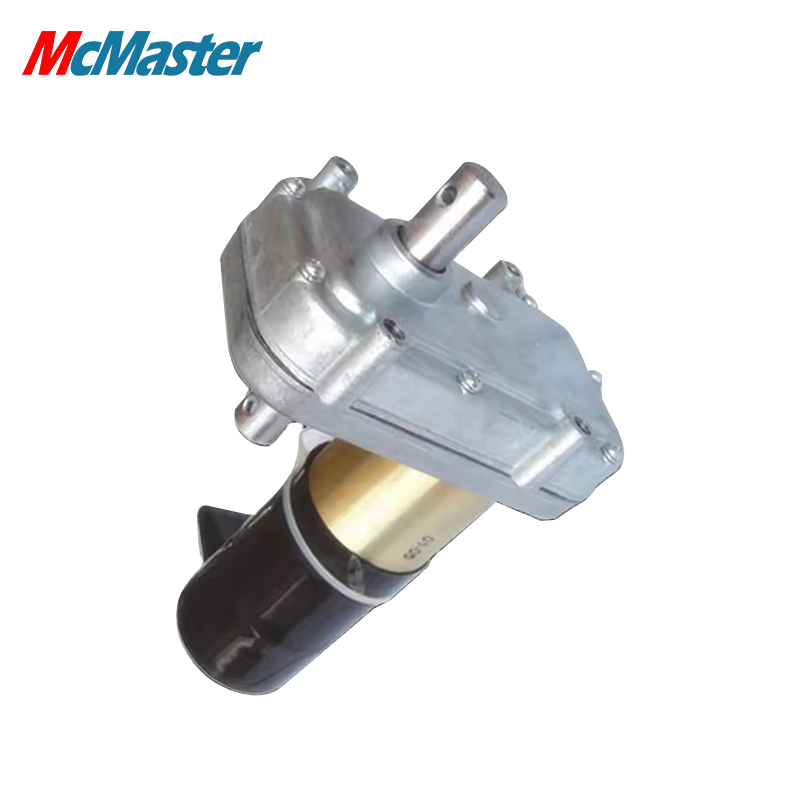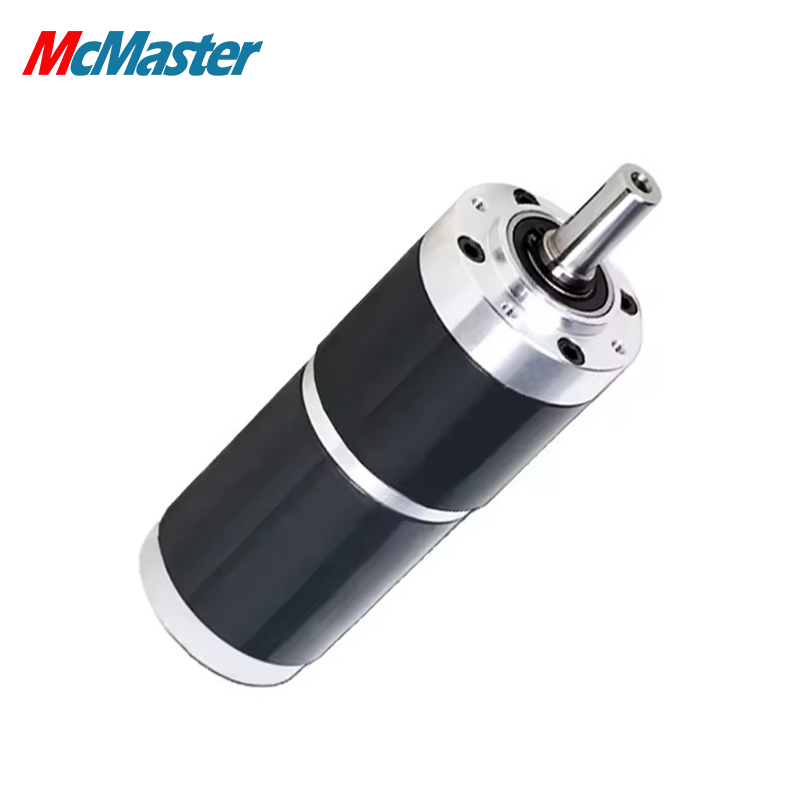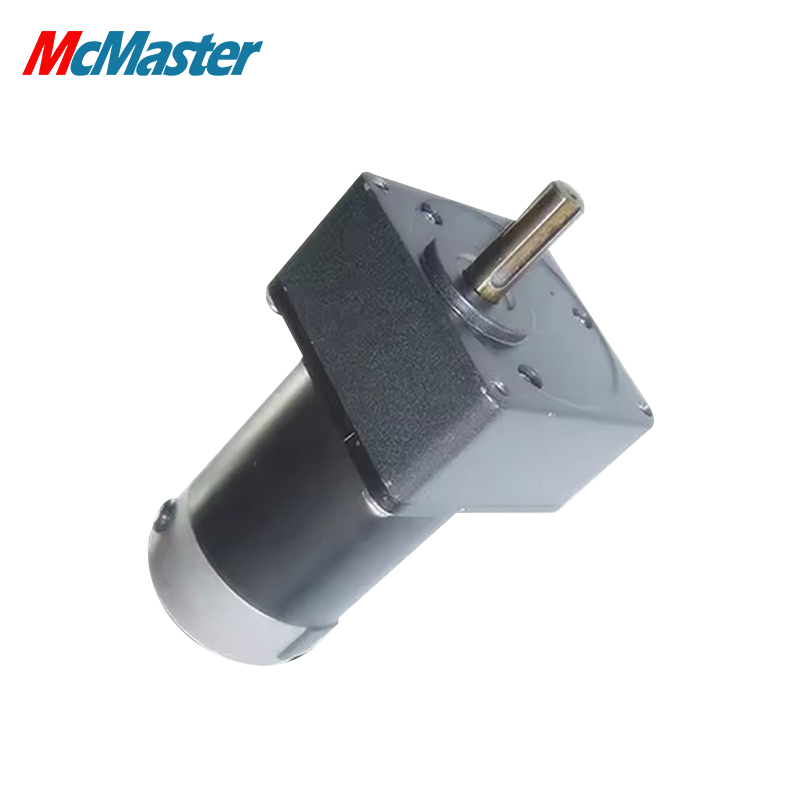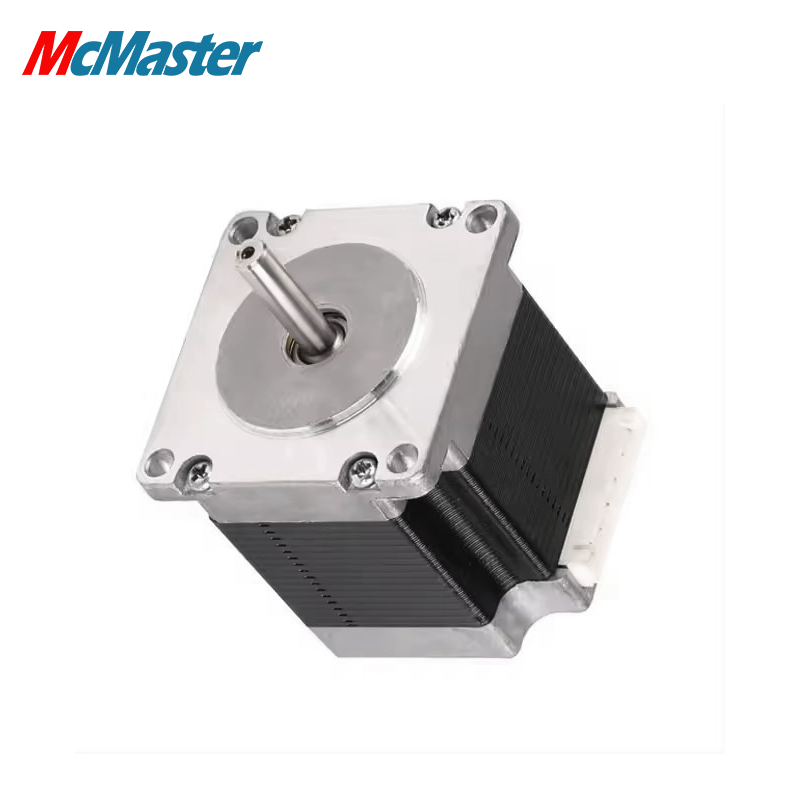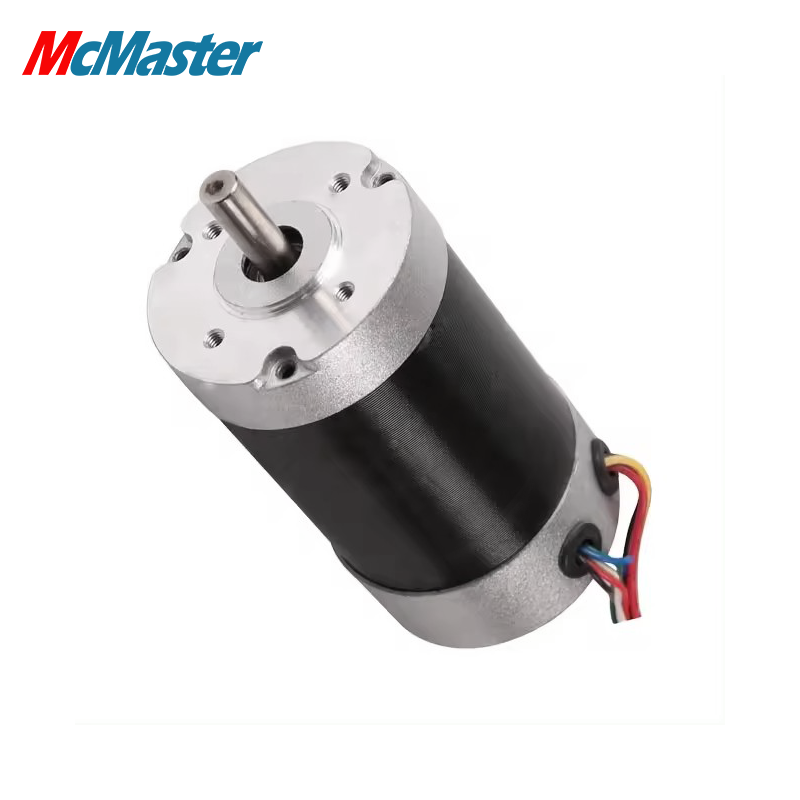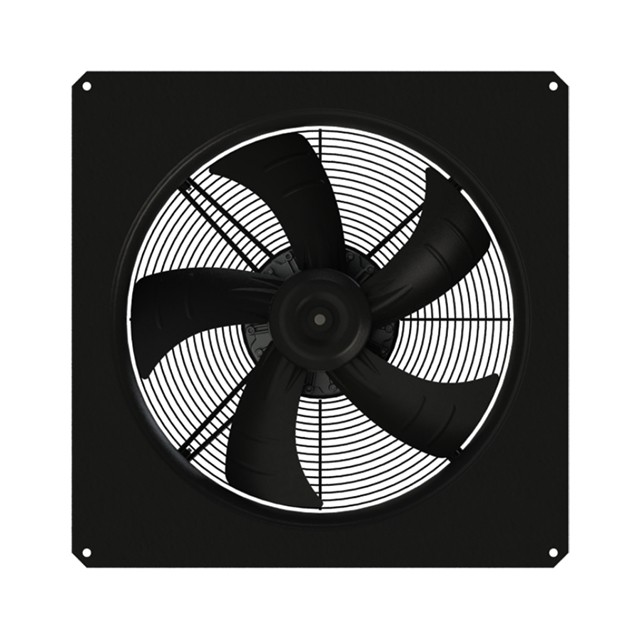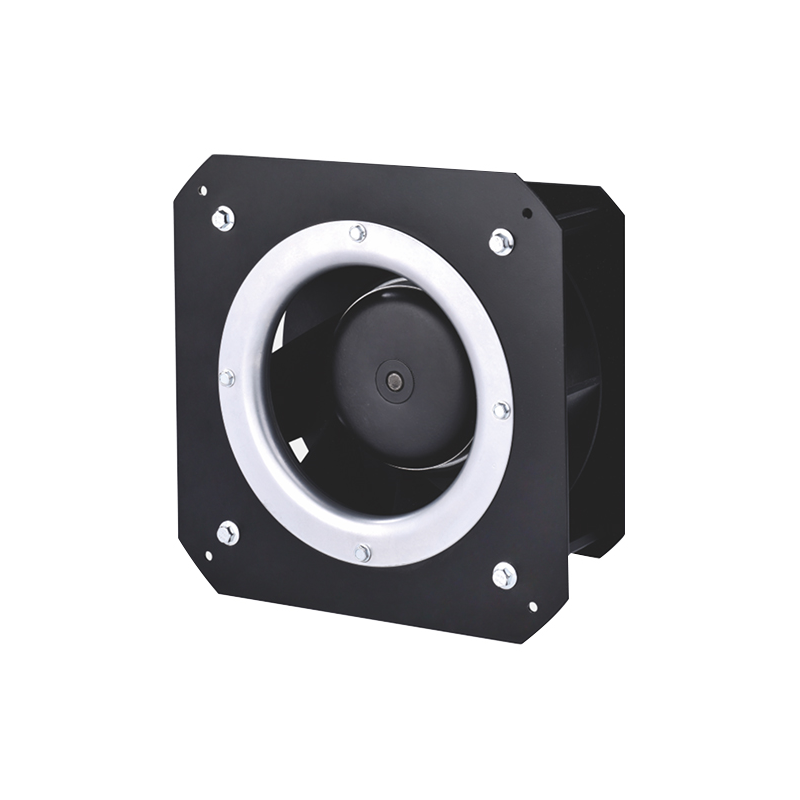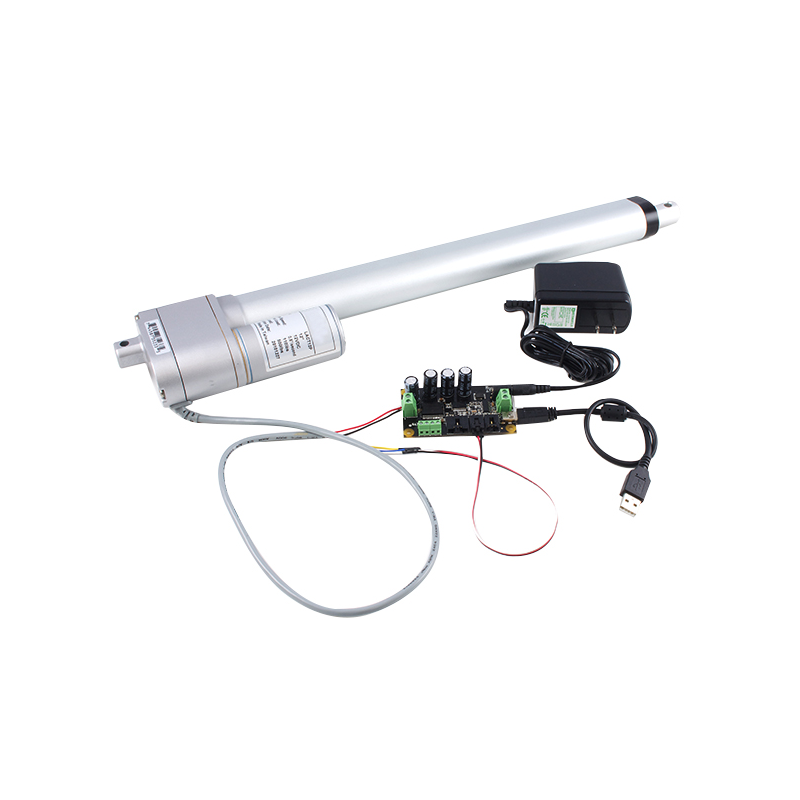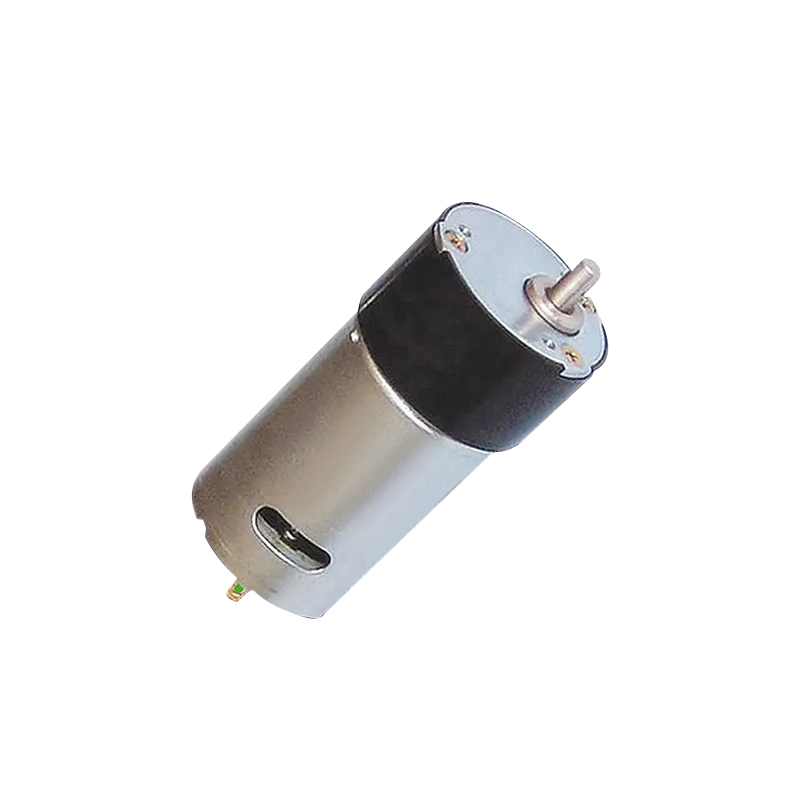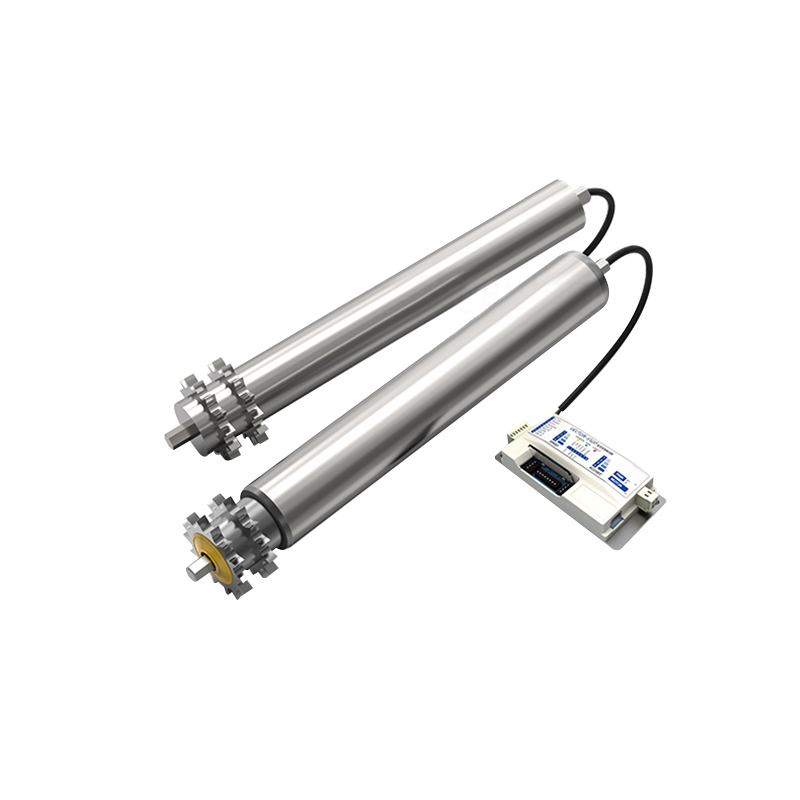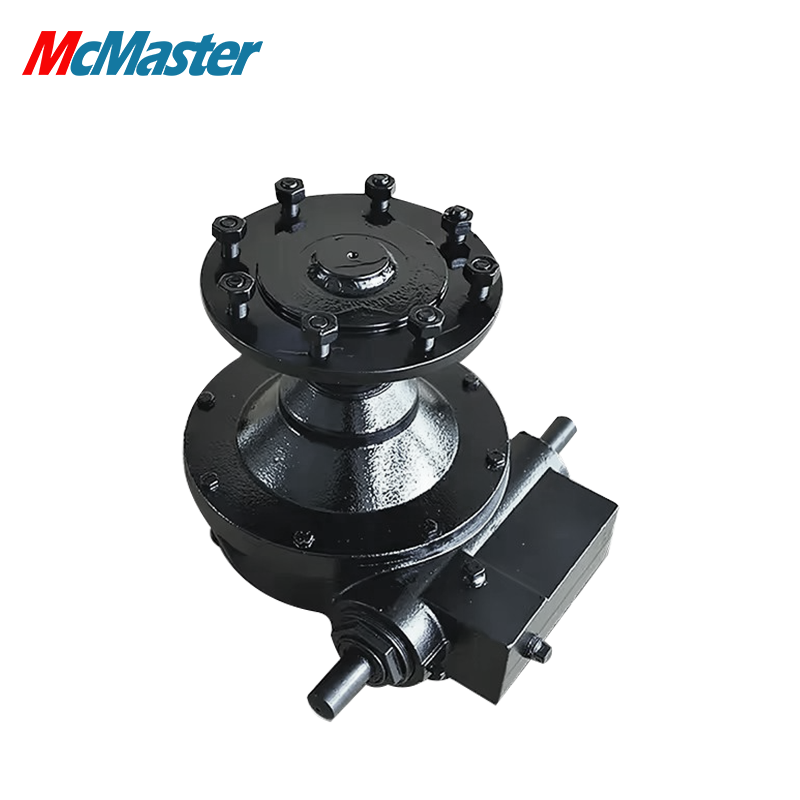
Worm gear motors are critical components in various industrial applications, providing efficient torque and speed reduction in a compact design. Choosing the right worm gear motor is essential for optimizing performance and ensuring reliability in your operations. This article will address key considerations for B2B buyers, including applications, selection criteria, installation challenges, cost factors, and the versatility of McMaster Electric compact gear motor across industries.
Worm gear motors are used in numerous applications, primarily due to their ability to deliver high torque at low speeds while maintaining a compact footprint. Common applications include conveyor systems, robotics, and automation processes in industries such as food processing, packaging, and material handling. They excel in situations where precise control and robustness are necessary, such as in medical equipment and automotive systems.
In a manufacturing setting, the choice of a worm gear motor can directly impact operational efficiency. For instance, in a conveyor system, the worm gear motor's high reduction ratio allows for smooth and controlled movement of materials, reducing wear and tear on components. Additionally, their self-locking feature prevents back-driving, making them ideal for applications that require safety and reliability.
Selecting the right worm gear motor involves understanding several key specifications and factors:
Torque and Speed Requirements: Assess the operational needs of your application. Calculate the required torque and speed to ensure the motor can handle the load without overheating or failing.
Gear Ratio: The gear ratio determines the output speed and torque of the motor. A higher gear ratio means more torque but lower speed, and vice versa. It’s crucial to match the gear ratio with your specific application needs.
Duty Cycle: Understand the expected operational cycles of the motor. Continuous duty motors are designed for prolonged use, while intermittent duty motors may suffice for applications with less frequent operation.
Environmental Conditions: Consider factors such as temperature, moisture, and exposure to chemicals. Selecting materials that withstand these conditions is essential for durability.
Mounting and Size: Ensure that the motor’s dimensions and mounting options fit the space available in your machinery. Compact designs are often preferable, but they must not compromise performance.
Customization Capabilities: If your application has unique requirements, inquire about the manufacturer's ability to customize the motor to meet specific performance or dimensional needs.
Installing worm gear motors can present several challenges that may affect performance and longevity. Here are some common issues and their solutions:
Alignment Issues: Misalignment between the motor and driven equipment can lead to excessive wear and increased noise. Ensure proper alignment during installation using alignment tools or fixtures to maintain a straight and level connection.
Mounting Stability: Inadequate mounting can lead to vibration and movement, reducing efficiency. Use appropriate mounting brackets and ensure that the mounting surface of McMaster Electric dc worm gear motor is stable and secure.
Lubrication: Insufficient lubrication can cause overheating and premature failure. Confirm that the motor is adequately lubricated according to the manufacturer's specifications, and consider using motors with sealed gearboxes to minimize maintenance needs.
Electrical Connections: A poor electrical connection can lead to operational failures. Double-check connections and ensure that the power supply matches the motor’s voltage and phase requirements.
When considering purchasing worm gear motors wholesale, several cost factors should be evaluated:
Unit Price vs. Total Cost of Ownership: While the initial unit price is a critical factor, consider the total cost of ownership, which includes installation, maintenance, and operational efficiency. A higher-quality motor may have a higher upfront cost but lower maintenance and operational expenses over time.
Volume Discounts: Purchasing in larger quantities can lead to significant discounts. Understand the minimum order quantities (MOQ) required by suppliers to negotiate better pricing.
Customization Costs: If your application requires customized solutions, factor in the additional costs associated with design, prototyping, and production.
Shipping and Handling: Evaluate shipping costs, especially for international orders. Ensure that the total cost includes freight, duties, and any other additional charges.
Warranty and Support: Consider the warranty offered by the manufacturer and any post-purchase support. A reliable warranty can protect your investment and reduce long-term costs associated with failures or defects.
Worm gear motors are remarkably versatile, finding use across various industries. Here are some notable applications:
Automation and Robotics: In automation, worm gear motors drive conveyor belts, robotic arms, and pick-and-place systems, offering precise control and reliable operation.
Consumer Electronics: From power tools to home appliances, worm gear motors are integral in applications requiring compact and efficient motion control.
Medical Equipment: The precision and reliability of McMaster Electric worm drive gear motor make them suitable for medical devices such as imaging systems and robotic surgical tools, where accuracy is paramount.
Automotive: In automotive applications, these motors are used in power steering systems, window regulators, and seat adjustments, providing efficient power transmission in confined spaces.
Food Processing: Worm gear motors are employed in mixers, conveyors, and packaging machines, where hygiene and reliability are critical. Their ability to operate smoothly at low speeds enhances process efficiency.
In summary, worm gear motors are essential components in a wide range of applications across multiple industries. Understanding their specifications, installation challenges, cost factors, and application versatility will empower B2B buyers to make informed purchasing decisions that optimize their operational efficiency and product reliability.

 EN