Linear actuators are essential components in various industrial applications, providing precise linear motion for a wide range of machinery and systems. Among them, the 300mm linear actuator stands out for its versatility and adaptability in automation, robotics, and medical devices. When considering a 300mm linear actuator, buyers often prioritize specifications, quality, and application suitability. This article aims to guide purchasing managers and engineers through the key considerations for selecting a 300mm linear actuator, ensuring they make informed decisions that meet their project requirements.
When selecting a 300mm linear actuator, several key specifications must be evaluated to ensure optimal performance in your application.
Load Capacity: Determine the maximum load the actuator must handle. The load capacity affects the actuator's design and motor selection, which in turn influences its efficiency and longevity.
Speed and Stroke Length: The actuator's speed, typically measured in millimeters per second (mm/s), is critical for applications requiring rapid movement. The stroke length of 300mm must align with the operational requirements of your machinery.
Duty Cycle: This refers to the amount of time the electric motor linear actuator can operate continuously compared to its resting period. A higher duty cycle is essential for applications requiring prolonged use.
Power Supply Compatibility: Ensure the actuator is compatible with your existing power supply, whether it’s AC or DC. Voltage ratings and current requirements must align with your system's specifications.
Control Method: Evaluate whether the actuator will be controlled through analog, digital, or PWM signals. This affects how it integrates with your automation system.
Material and Build Quality: The choice of materials used in the actuator’s construction impacts its durability and resistance to environmental factors such as moisture, dust, or chemicals.
Quality evaluation is crucial when procuring 300mm linear actuators. Here are several approaches to ensure you are selecting a reliable product:
Certification and Compliance: Look for actuators that meet industry standards and certifications, such as ISO or CE. These marks indicate adherence to quality and safety regulations.
Manufacturing Process: Understanding the manufacturer's production capabilities and quality control processes can provide insights into the actuator's reliability. Manufacturers with robust quality assurance protocols are likely to produce more consistent products.
Material Testing: Inquire about the materials used in the actuator. High-quality materials, such as aluminum or stainless steel, can enhance performance and longevity. Request information on any testing conducted on these materials for durability and wear resistance.
Customer Reviews and Case Studies: Analyze feedback from other customers who have used the actuator in similar applications. Successful case studies can illustrate the actuator's performance and reliability in real-world scenarios.
Sample Approval Process: Before finalizing an order, it’s prudent to request a sample actuator. This allows you to test its performance under your specific conditions, ensuring it meets your requirements.
Understanding potential issues with 300mm linear actuators can help buyers mitigate risks and enhance operational efficiency. Common problems include:
Insufficient Load Capacity: Using an actuator that cannot handle the required load may lead to failure. To prevent this, verify the load specifications and consider a safety margin.
Overheating: Extended operation without sufficient cooling can cause the actuator to overheat. Ensure that the duty cycle is suitable for your application and that proper ventilation is provided.
Control Signal Issues: Inconsistent control signals can lead to erratic actuator performance. Regularly check the control system and wiring to ensure reliable signal transmission.
Mechanical Wear: Components such as gears or bearings may wear out over time. Implement a maintenance schedule, including regular lubrication and inspection, to prolong the actuator's lifespan.
Installation Errors: Incorrect installation can lead to performance issues. Follow the manufacturer's installation guidelines carefully and verify alignment and mounting before operation.
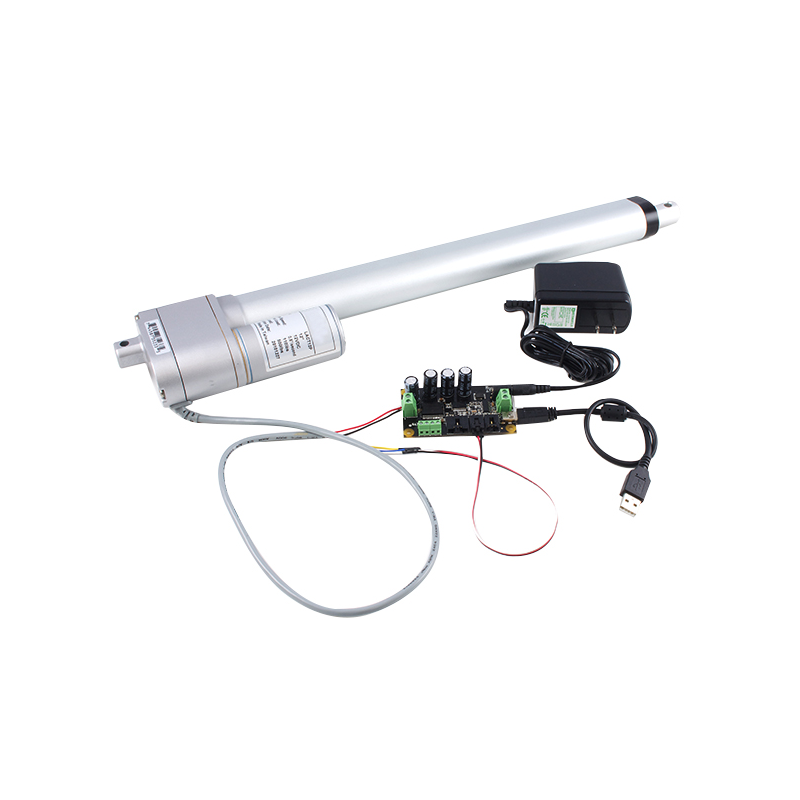
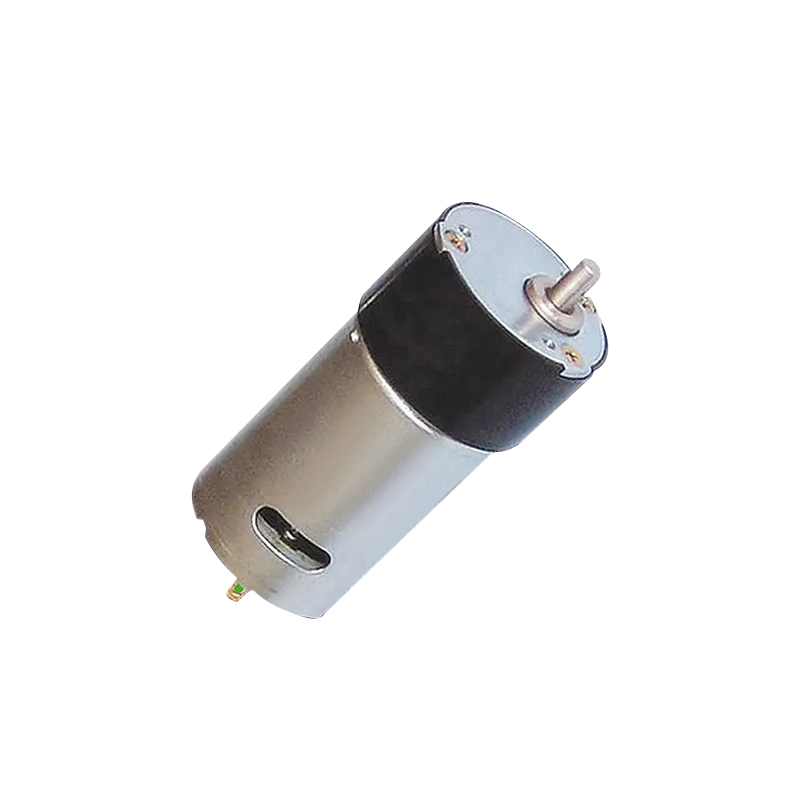
The 300mm linear actuator is a compact and efficient device designed for precise linear motion. These actuators typically feature a robust design with high torque and low noise, making them ideal for applications in automation, robotics, and medical devices.
Manufacturers like Changzhou McMaster Electric leverage over 20 years of experience in motor manufacturing to produce high-quality linear actuators that meet diverse industry needs. Their focus on electrification and automation ensures that each industrial linear actuator is built with the latest technology and materials, providing customers with reliable solutions.
In terms of customization, many manufacturers offer tailored solutions based on specific application requirements, such as varying stroke lengths, load capacities, and control methods. This flexibility allows buyers to find the perfect fit for their unique projects.
Selecting the appropriate 300mm linear actuator involves a systematic approach:
Define Application Requirements: Clearly outline the operational needs of your application, including load, speed, and environmental conditions.
Consult with Manufacturers: Engage with suppliers who can provide insights based on their expertise. Discuss your specific requirements and ask for recommendations based on similar projects.
Compare Specifications: Create a comparison chart of potential actuators, noting key specifications such as load capacity, speed, control methods, and materials. This will help you visualize the differences and make informed decisions.
Consider Future Needs: Think about potential changes in your application that may require different specifications in the future. Opting for a slightly more robust actuator may be advantageous in the long run.
Budget and Total Cost of Ownership: Evaluate not only the initial purchase price but also the total cost of ownership, including maintenance, potential replacements, and operational efficiency. A higher upfront investment in quality may lead to lower long-term costs.
By taking these factors into account, buyers can ensure they select a 300mm linear actuator that meets their specific needs and delivers reliable performance in their applications.

 EN