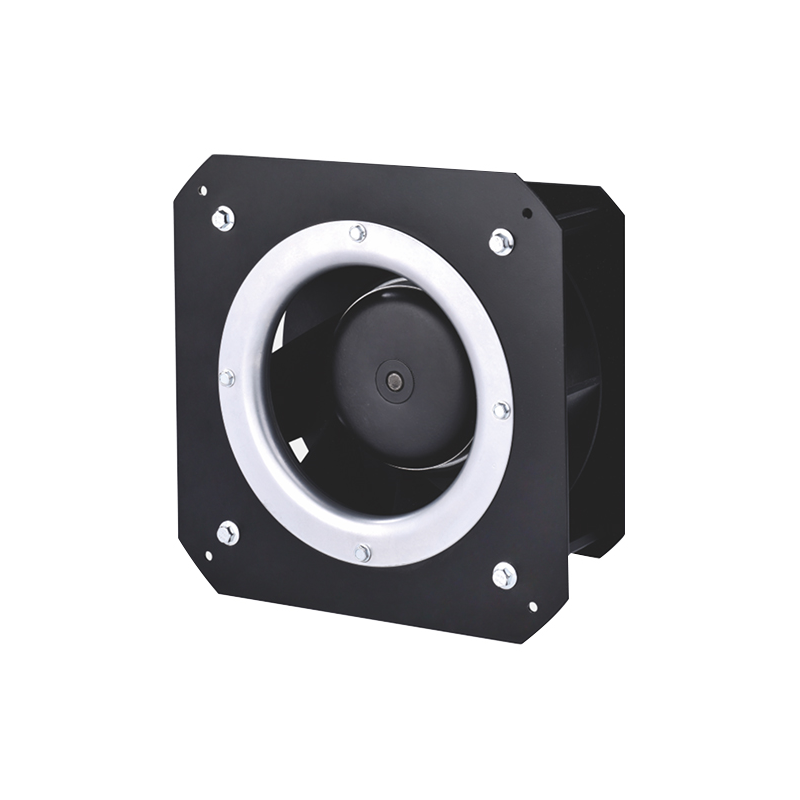
The 400mm axial fan is a critical component in various industrial applications, designed to move air efficiently while maintaining a compact footprint. For B2B buyers especially purchasing managers, distributors, and engineers, understanding key specifications, cost factors, installation issues, and features is essential in making informed purchasing decisions. This article aims to provide comprehensive insights into the 400mm axial fan, helping you navigate the complexities of selection and procurement.
When evaluating 400mm axial fans, several key specifications should be considered:
Airflow Rate: Measured in cubic meters per hour (m³/h), this indicates the volume of air the fan can move. High airflow rates are crucial for applications requiring efficient ventilation.
Static Pressure: This specification denotes the resistance the fan can overcome to maintain airflow. It is essential for applications with ducting or filters that might restrict airflow.
Power Consumption: The wattage of the fan affects operational costs. Efficient models can lower energy expenses, making them more attractive for long-term use.
Noise Levels: Measured in decibels (dB), noise levels are vital for environments sensitive to sound. Fans designed with noise reduction technologies can be beneficial in commercial settings.
Materials: The fan's construction material affects durability and resistance to environmental factors. Common materials include high-grade plastics and metals, with coatings available for corrosion resistance.
Speed Settings: Variable speed settings can provide flexibility in airflow management, allowing users to adjust performance according to specific application needs.
Understanding these specifications helps buyers ensure compatibility with their systems and meet the operational requirements of their applications.
The cost of 400mm axial fans can vary significantly based on several factors:
Material Quality: Fans made from higher-quality materials, such as corrosion-resistant alloys or specialized plastics, typically come with a higher price tag. However, they also provide greater durability and longer service life.
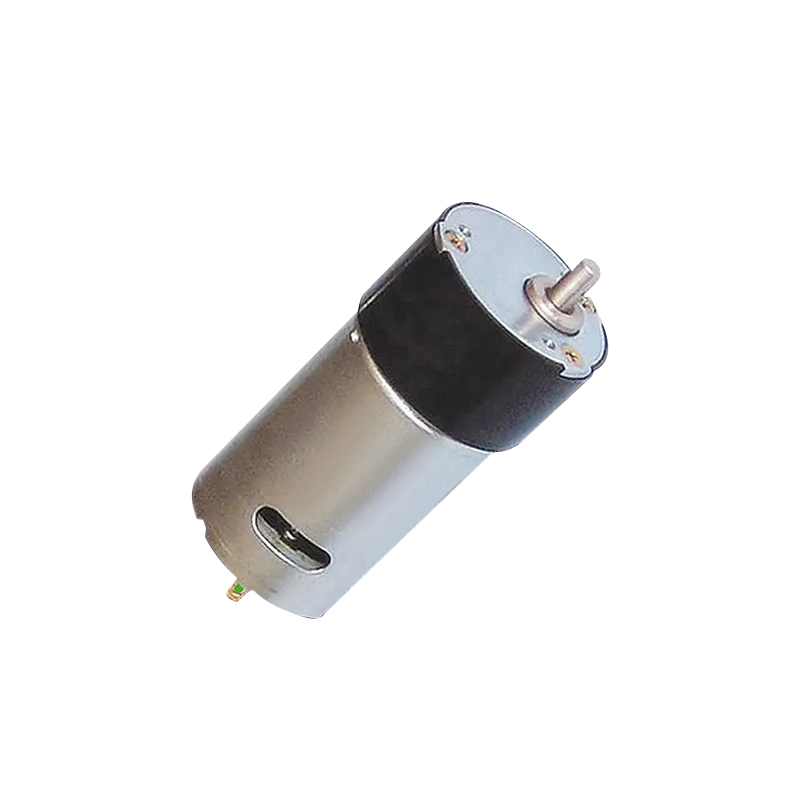
Manufacturing Processes: Advanced manufacturing techniques, such as precision molding and automated assembly, can increase production costs. The axial fan motor produced with these methods usually offer better reliability and performance.
Customization Options: Custom features like specific mounting configurations or unique airflow designs can add to the base price. Buyers should weigh the benefits of customization against the additional costs.
Volume Discounts: Bulk purchasing often leads to significant savings. Distributors should inquire about minimum order quantities (MOQs) and potential discounts for larger orders.
Shipping and Handling: Costs related to transporting the fans can vary based on destination, weight, and packaging. Proper planning can minimize these expenses.
Warranty and Support: Products that come with extended warranties or robust customer support may have a higher upfront cost but can offer value through peace of mind and reduced maintenance costs.
By understanding these cost factors, distributors can better evaluate pricing and negotiate terms that align with their business objectives.
Finding a reliable supplier for 400mm axial fans involves a few strategic steps:
Industry Research: Start by researching manufacturers and distributors with a solid reputation in the industrial fan market. Look for companies with a track record of serving your specific industry.
Trade Shows and Expos: Attending industry trade shows can provide direct access to manufacturers. This allows for firsthand evaluation of products and discussions about specifications, pricing, and lead times.
Online Marketplaces: Platforms can connect you with various suppliers. It's essential to review supplier ratings and customer feedback before making a selection.
Local Representatives: Consider engaging local sales representatives from manufacturers. They often provide personalized service, product samples, and technical support.
Certifications and Standards: Ensure that potential suppliers comply with relevant industry certifications and standards. This can indicate product quality and reliability.
Requesting Samples: Before making a bulk purchase, request samples to evaluate the performance and compatibility of the fans with your applications.
Establishing a relationship with a trustworthy supplier can enhance your procurement process and ensure you receive quality products.
Installing 400mm axial fans can present several challenges. Here are some common issues along with their solutions:
Incorrect Mounting Orientation: Fans should be installed according to the manufacturer’s guidelines regarding airflow direction. Installing a fan upside down can lead to reduced performance or even damage. Always verify orientation before installation.
Vibration and Noise: If a fan vibrates excessively, it may not be securely mounted or could be misaligned. Ensuring proper mounting and alignment minimizes vibration and noise. Additionally, consider using vibration-dampening mounts.
Insufficient Space: Ensure adequate space around the fan for airflow and maintenance. Lack of space can restrict airflow and lead to overheating. A clear installation plan can help avoid this issue.
Electrical Connections: Incorrect electrical wiring can lead to fan malfunction. It’s crucial to follow the electrical specifications provided by the manufacturer and ensure compliance with local regulations.
Obstructions: Ensure that there are no obstructions in the airflow path. Ducting, filters, or other equipment placed too close can hinder performance. Conducting a site assessment before installation can help identify potential issues.
By addressing these common installation challenges, buyers can ensure optimal performance and longevity of their 400mm axial motor fan.
For contractors, certain features of 400mm axial fans can significantly influence project outcomes:
Energy Efficiency: High-efficiency models can save costs on energy bills and reduce the overall carbon footprint of a project. Look for fans with energy-saving certifications.
Durability: Fans designed for harsh environments or heavy-duty applications should have robust construction and weather-resistant features.
Easy Maintenance: Features like removable grills and accessible components facilitate maintenance, allowing for quicker repairs and less downtime.
Performance Monitoring: Some modern fans come equipped with sensors for monitoring performance metrics, enabling proactive maintenance and operational adjustments.
Versatility: The ability to customize airflow direction and speed can make a significant difference in project flexibility. Adjustable fans can meet varying project requirements effectively.
Noise Reduction Technology: In sensitive environments, having fans designed with noise reduction features can be critical to maintaining a conducive atmosphere.
Understanding these features allows contractors to select fans that align with project specifications, ensuring effective performance and customer satisfaction.
By addressing these critical aspects of 400mm axial fans, this article aims to equip B2B buyers with the necessary knowledge to make informed purchasing decisions while navigating the complexities of industrial fan procurement.

 EN