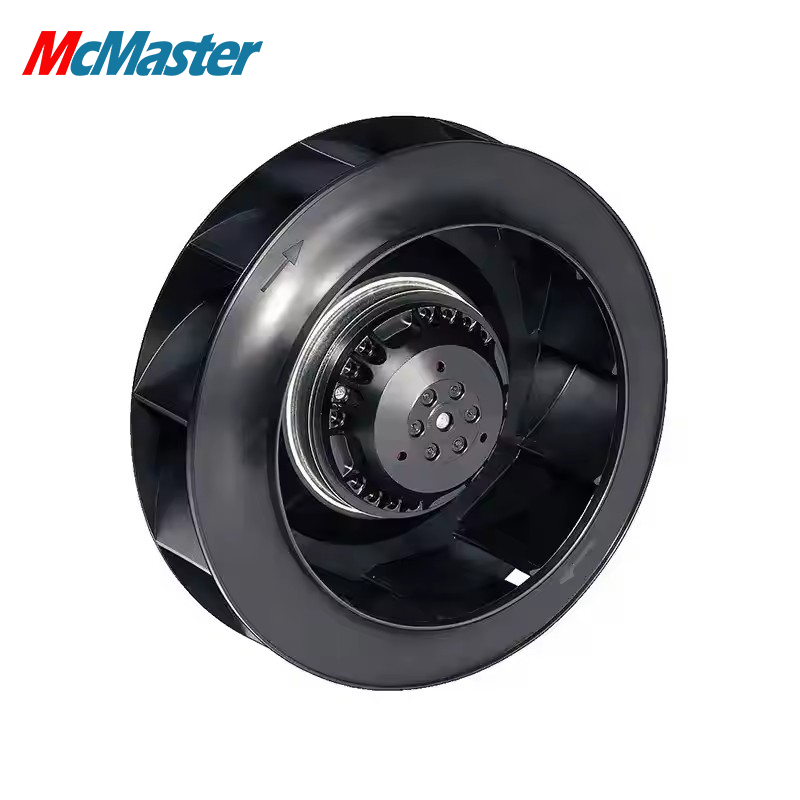
AC axial cooling fans are essential components widely used in various industrial applications, providing efficient cooling solutions for machinery, electronics, and more. Buyers often seek reliability, performance, and compatibility when selecting these fans. This article aims to guide you through the key aspects of purchasing McMaster Electric axial fan ventilation, helping you make informed decisions regarding specifications, quality control, and cost factors.
When purchasing AC axial cooling fans in bulk, it is crucial to understand your specific requirements and the applications for which they will be used. Start by identifying the necessary specifications, including dimensions, airflow rates, and voltage requirements. It is also essential to consider the operating environment, such as temperature ranges and potential exposure to moisture or dust.
Inquire about the minimum order quantities (MOQ) from your supplier, as this can vary significantly among manufacturers. Establishing a direct line of communication with your supplier can facilitate smoother transactions and ensure they understand your needs. Be prepared to discuss details such as delivery timelines, custom packaging options, and any specific certifications that may be required for your industry.
AC axial cooling fans offer several features that enhance their performance and usability. These fans are designed to move air efficiently in a directional flow, making them ideal for applications requiring high airflow with minimal resistance. Key benefits include:
Energy Efficiency: Modern AC axial fans are engineered to consume less power while delivering optimal performance, contributing to reduced operational costs.
Versatility: These fans can be employed in various sectors, including industrial machinery, consumer electronics, automotive cooling systems, and HVAC applications.
Customization Options: Manufacturers often provide customization in terms of size, speed, and noise levels to meet specific application requirements.
Durability: With robust construction and high-quality materials, AC axial fans can withstand harsh operating conditions, ensuring long-term reliability.
Understanding these features will help you select the right fan for your application, balancing performance and operational needs effectively.
Quality control is critical in ensuring the reliability and performance of McMaster Electric AC axial cooling fans. A thorough quality control process typically includes several stages:
Incoming Material Inspection: Raw materials must meet specified criteria before manufacturing begins. This includes checking for material integrity and compliance with standards.
In-Process Quality Checks: Throughout the manufacturing process, regular inspections should occur to verify that components meet design specifications. This may involve testing for electrical performance, airflow rates, and mechanical integrity.
Final Testing: Once the ventilation axial fan are assembled, they undergo rigorous testing to ensure they perform according to design parameters. This includes operational tests under various conditions and noise level assessments.
Documentation and Certification: Maintaining detailed records of quality checks and testing is essential for traceability. Certifications may also be provided to assure buyers of compliance with industry standards.
A supplier with a robust quality control process can significantly reduce the risk of defects and ensure that the products meet your expectations.
While AC axial cooling fans are generally reliable, buyers should be aware of common issues that may arise and how to address them:
Insufficient Airflow: This can occur due to blocked intake or exhaust ports. Regular maintenance, including cleaning the fan and surrounding areas, can help maintain optimal airflow.
Noise Issues: Excessive noise can result from improper installation or wear and tear. Ensure the fan is securely mounted and consider selecting models designed for quieter operation if noise is a concern.
Electrical Failures: Voltage mismatches or power surges can damage the fan. It's essential to use fans rated for your specific voltage requirements and to implement surge protection measures.
Overheating: If the fan is not adequately cooled or is placed in a high-temperature environment, it may overheat. Ensure proper ventilation and consider using fans with a higher temperature tolerance for extreme conditions.
Being aware of these potential problems allows buyers to take proactive measures, ensuring the longevity and performance of their cooling systems.
When considering bulk purchases of McMaster Electric AC axial cooling fans, various cost factors come into play that can affect your overall budget:
Unit Price: The base cost per fan can vary based on the manufacturer, material quality, and customization features. Request quotes from multiple suppliers to compare prices effectively.
Shipping and Handling: Factor in shipping costs, especially for large orders. Some suppliers may offer discounted shipping rates for bulk orders, so discuss this aspect during negotiations.
Lead Time: Longer lead times may tie up capital and impact project timelines. Ensure you understand the expected delivery time and any associated costs for expedited shipping if necessary.
Maintenance and Operational Costs: Consider the long-term operational costs, including energy consumption and maintenance requirements. More efficient models may have a higher upfront cost but save money over time.
Evaluating these factors carefully will help you make a cost-effective decision, balancing initial investment with long-term benefits.
By understanding the importance of specifications, quality control, potential issues, and cost factors when purchasing radial centrifugal fan, buyers can make informed choices that align with their operational needs and budget constraints.

 EN