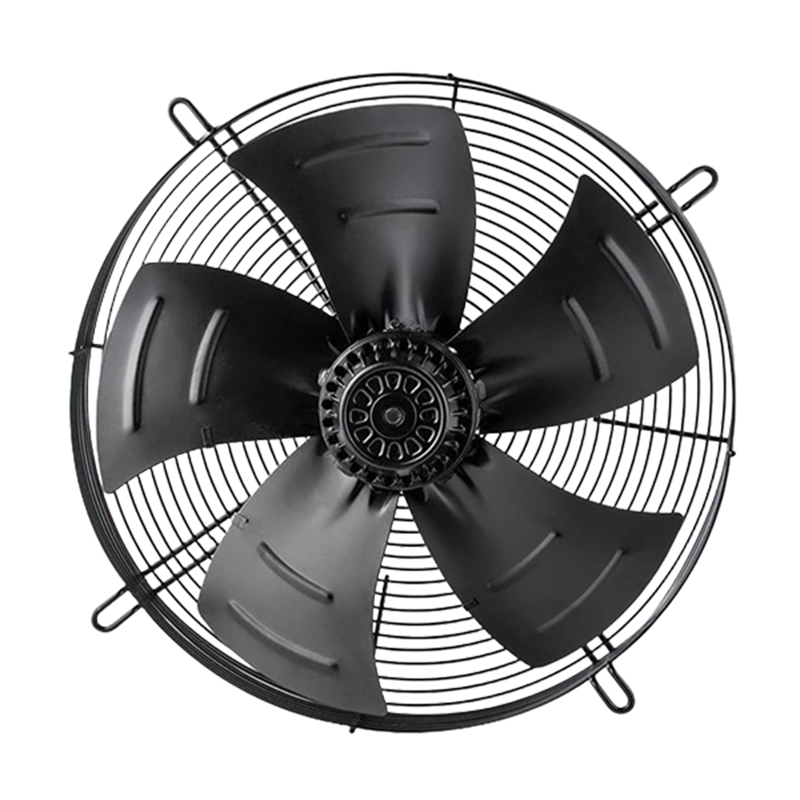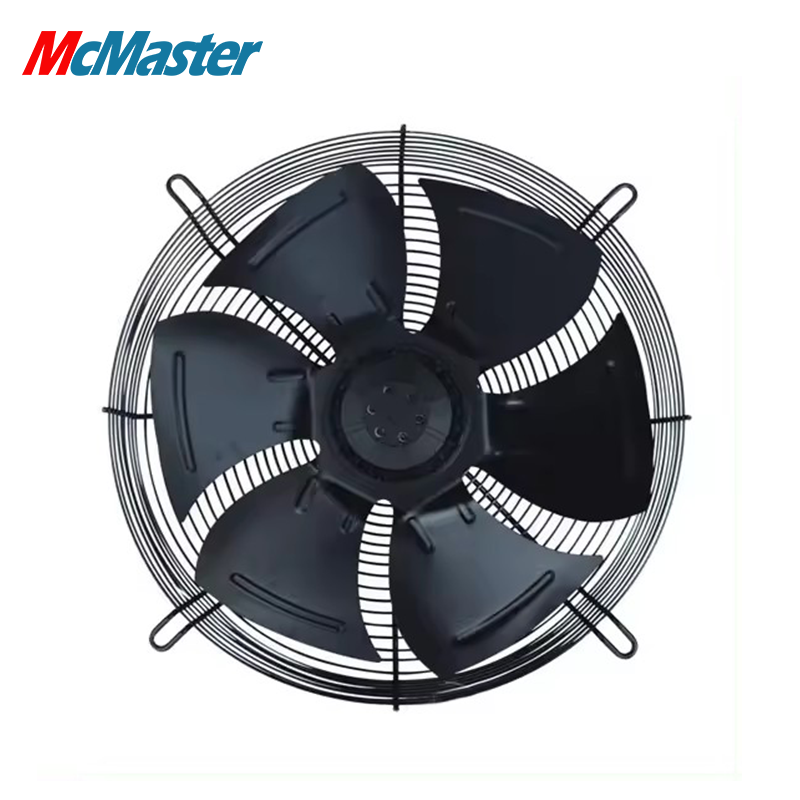
Axial cooling fans are essential components in various industries, providing efficient airflow for cooling and ventilation applications. As a B2B buyer, understanding the specifications, installation challenges, and applications of axial cooling fans is crucial for making informed purchasing decisions. This article will explore the unique features of our axial cooling fans, address common installation challenges, discuss their applications, offer solutions to frequent problems, and provide guidance on how to effectively compare different models for your projects.
Changzhou McMaster Electric has over 20 years of experience in manufacturing high-tech products, including axial cooling fans. Our 910mm axial fan are designed with efficiency, sustainability, and automation in mind, making them suitable for a wide array of applications across industries like automotive, medical health, industrial solutions, and consumer electronics.
Key features of our axial cooling fans include:
High Performance: Engineered to provide optimal airflow and static pressure, ensuring effective cooling even in challenging environments.
Durable Materials: Constructed from high-grade materials that offer resistance to heat, moisture, and chemicals, enhancing longevity and reliability.
Customization Options: We understand that each application may have unique requirements. Our axial cooling fans can be tailored to meet specific performance parameters, such as size, voltage, and speed.
Quality Assurance: Our fans undergo stringent quality control processes to ensure consistent performance and compliance with international standards.
Investing in our axial cooling fans means choosing a product that combines advanced technology with practical application, ensuring your operations run smoothly and efficiently.
Installing axial cooling fans can present several challenges that may affect their performance and longevity. Here are some common issues buyers should be aware of:
Space Constraints: Proper positioning of axial fans is critical for achieving optimal airflow. In cramped installations, it's essential to assess the available space and choose fan models that fit without obstructing airflow paths.
Electrical Compatibility: Axial fans come with specific voltage and current requirements. Ensuring that your power supply is compatible with the axial motor fan specifications can prevent operational failures and reduce maintenance costs.
Vibration and Noise Control: Fans may generate vibration and noise, which can be problematic in sensitive environments. Selecting fans with built-in vibration dampening features and ensuring proper mounting can mitigate these issues.
Alignment with Ductwork: In applications where fans are integrated into a duct system, alignment is key. Misalignment can lead to airflow inefficiencies and increased energy consumption.
To overcome these challenges, it is advisable to conduct a thorough site assessment prior to installation and consult with technical experts if needed.
Axial cooling fans are versatile components utilized across multiple industries, each with unique requirements. Here are some key applications:
Automotive: In vehicles, axial cooling fans are used to dissipate heat from engines and electronic components, ensuring optimal performance and safety.
Medical Equipment: These fans help maintain temperature control in medical devices, protecting sensitive components and ensuring patient safety.
Consumer Electronics: In devices such as computers and gaming consoles, axial fans prevent overheating by ensuring adequate airflow, thereby extending the lifespan of electronic components.
Industrial Solutions: Axial fans are used in HVAC systems, machinery cooling, and ventilation systems in factories and warehouses, contributing to improved air quality and energy efficiency.
Understanding the specific application of the axial cooling fan is critical for selecting the right model to meet performance requirements.
Buyers may encounter several issues when using axial cooling fans. Here are solutions to some common problems:
Insufficient Airflow: If the fan is not delivering the expected airflow, check for obstructions in the intake or exhaust paths. Regular maintenance, including cleaning, can also help maintain performance.
Overheating: Overheating can occur if the fan is not adequately rated for the application. Ensure that the fan's specifications match the operational environment and consider installing temperature sensors to monitor performance.
Noise Issues: Excessive noise can be mitigated by using fans with noise-reduction features or by adjusting the mounting to minimize vibration transmission.
Short Lifespan: To enhance durability, ensure that the fans are used within their specified limits regarding voltage, temperature, and humidity. Regular inspections can also help identify and address potential issues early.
By proactively addressing these common problems, buyers can enhance the performance and reliability of their axial cooling fans.
When evaluating axial cooling fans for your specific needs, consider the following factors:
Specifications: Review the airflow rate (CFM), static pressure, and noise levels. These parameters directly impact the fan's performance in your application.
Material Selection: Assess the materials used in construction, particularly for components exposed to harsh environments. This can affect durability and operational efficiency.
Customization Options: Determine whether the manufacturer offers customization in terms of size, voltage, and speed, which can be crucial for specific applications.
Quality Control Standards: Investigate the manufacturer's quality assurance processes. A reputable axial fan manufacturers will provide documentation of testing and compliance with relevant industry standards.
Cost Factors: While price is a consideration, the total cost of ownership, including energy efficiency and maintenance, should also be factored into your decision.
Compiling this information can help streamline your selection process and ensure you choose the most suitable axial cooling fan for your project requirements.
By understanding the features, installation challenges, applications, and comparison criteria for axial cooling fans, you can make informed purchasing decisions that align with your operational needs and objectives.

 EN