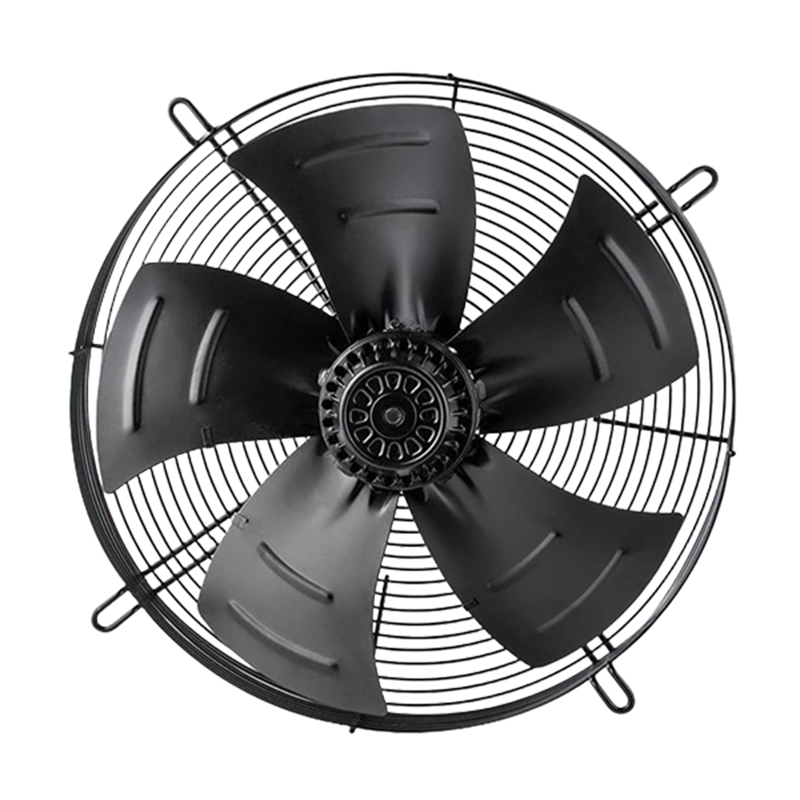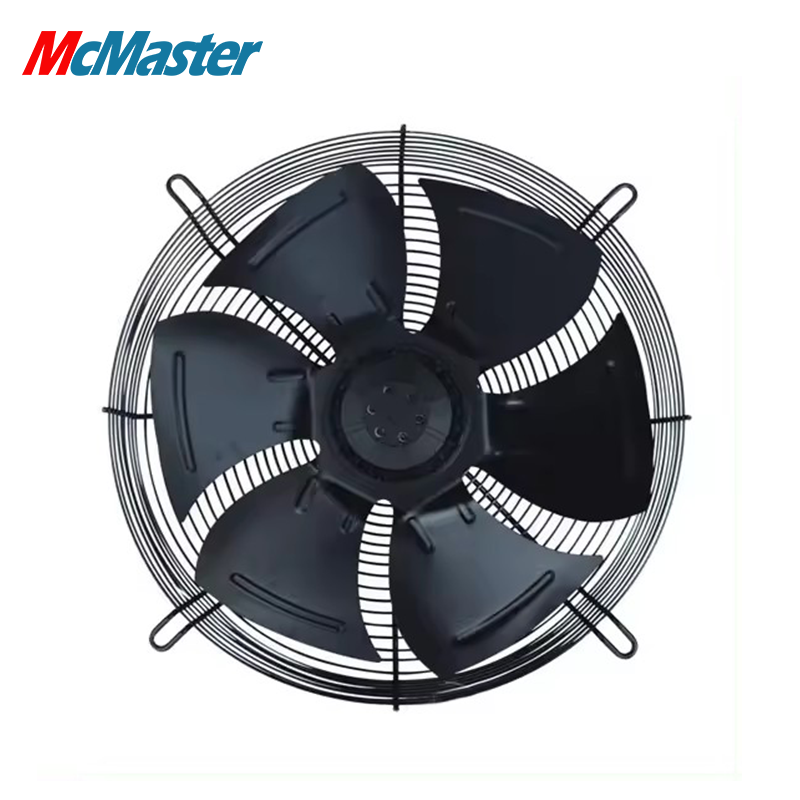
Axial fans are essential components in a variety of industries, designed to move air efficiently across different applications. For B2B buyers, understanding how to select the right McMaster Electric axial motor fan is crucial for ensuring optimal performance in their projects. This article will address key concerns such as specifications, quality control measures, cost factors for bulk orders, and the specific industrial applications where axial fan ACs excel.
Selecting the right axial fan AC begins with understanding the specific requirements of your project. Key factors to consider include the fan's airflow capacity, pressure requirements, and operating environment. McMaster Electric axial fan for hvac is typically measured in cubic feet per minute (CFM) and must align with your application's needs. For instance, in a manufacturing facility, higher airflow may be necessary to ensure proper ventilation and cooling, while in a medical setting, quieter models may be preferred to maintain a sterile environment.
Additionally, consider the fan's size and configuration. The physical dimensions must fit within the designated space, and the fan's design should complement the existing system architecture. Customization options may also be available to tailor features such as speed settings, noise levels, and energy efficiency to meet your specific operational demands. Engaging with a manufacturer, like McMaster Electric axial fan for chiller, can provide insights into the latest technology and product variations that best suit your needs.
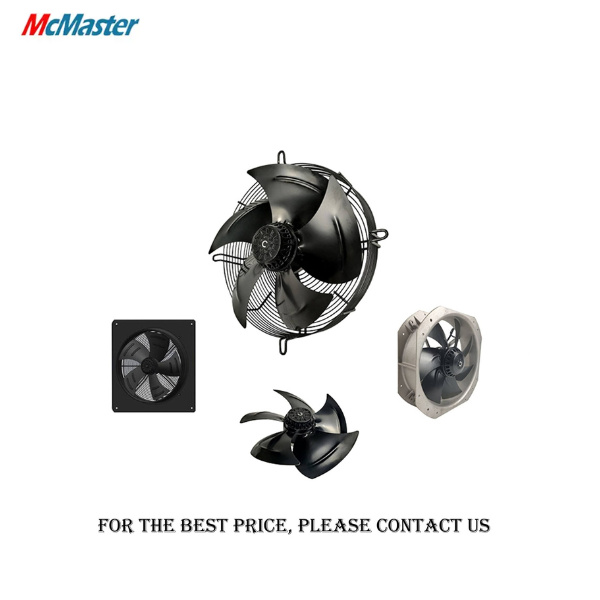
When sourcing axial fan AC units, several specifications are paramount to ensure the selected fan meets performance and reliability standards. These include:
Motor Type: Determine whether you need an AC or DC motor. AC motors are generally more robust for industrial applications, while DC motors offer better energy efficiency and speed control for specific uses.
Dimensions: Ensure the fan's size fits your installation space. Key dimensions include diameter, depth, and mounting options, which can influence airflow and noise levels.
Airflow and Static Pressure: Both parameters are critical. Airflow (CFM) indicates the volume of air moved, while static pressure (inches of water gauge) reflects the fan's ability to overcome resistance in the ductwork.
Material Quality: The construction material affects durability and suitability for various environments. For instance, corrosion-resistant materials are essential in humid or chemically aggressive settings.
Energy Efficiency Ratings: Look for fans with high efficiency ratings to reduce operating costs. Models designed with energy-efficient motors can significantly lower lifecycle expenses.
Evaluating these specifications against your application requirements will help ensure optimal performance and longevity of the axial fan AC.
Quality control is critical in the manufacturing of axial fan AC units. Effective measures include:
Material Inspection: Raw materials should be thoroughly inspected for conformity to specifications. This step ensures that only high-quality components are used in production.
In-Process Testing: Implementing testing at various stages of production helps identify defects early. Manufacturers should utilize vibration analysis and airflow testing to ensure performance standards are met.
Final Product Testing: Before shipping, each unit should undergo rigorous testing to verify airflow, noise levels, and operational efficiency. This step is crucial for ensuring that the fan will perform reliably in its intended application.
Certification: Consider manufacturers that hold relevant quality certifications (e.g., ISO 9001). This indicates adherence to international quality management standards and can provide additional assurance of product reliability.
These quality control measures not only enhance product performance but also build trust in the supplier's capabilities.
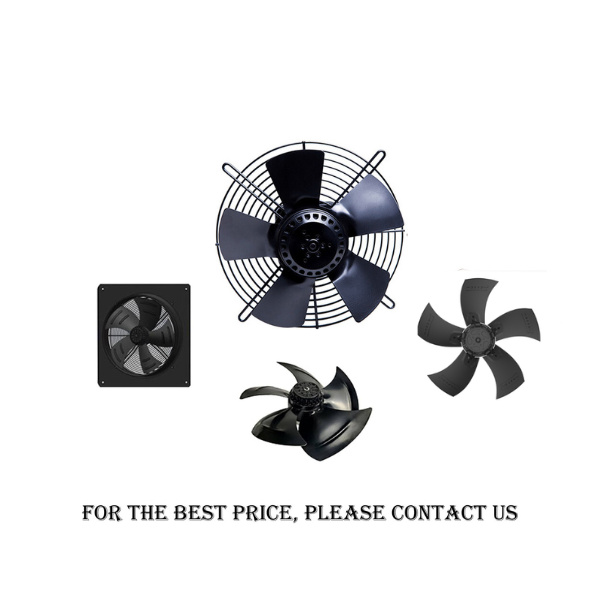
When purchasing axial fan AC units in bulk, several cost factors come into play. These include:
Volume Discounts: Many manufacturers offer tiered pricing based on order quantity. Understanding these pricing structures can help negotiate better deals.
Customization Costs: Custom features may incur additional costs. Discussing specific needs with the manufacturer can clarify potential price impacts.
Shipping and Handling: Bulk orders often require freight shipping, which can affect overall costs. Clarifying shipping options and associated fees is essential to avoid unexpected expenses.
Lead Times: Longer lead times can sometimes necessitate higher costs due to expedited shipping or production prioritization. Understanding the manufacturer's production capacity can help in planning orders effectively.
Warranty and Support: Consider the warranty offered on bulk purchases. A robust warranty can protect your investment and reduce future maintenance costs.
By understanding these factors, buyers can make informed decisions that optimize their procurement process.
Axial fan AC units find applications across various industries due to their efficiency and versatility. Here are some sectors where they excel:
Manufacturing: Used for cooling equipment, ventilating workspaces, and preventing overheating in machinery. Their ability to move large volumes of air makes them ideal for maintaining optimal temperature conditions.
Automotive: In automotive manufacturing plants, axial fans help control the climate in assembly lines and paint booths, contributing to quality assurance in vehicle production.
Medical: Hospitals and laboratories use axial fans in HVAC systems to facilitate air exchange and maintain sterile environments, ensuring compliance with health regulations.
Consumer Electronics: In cooling systems for electronics, axial fans help dissipate heat generated by devices, thereby enhancing performance and longevity.
Robotics and Automation: Used in robotic systems for cooling and maintaining optimal operating conditions, ensuring reliability and efficiency in automated processes.
Understanding the specific applications of axial fan ACs can help buyers align their purchasing decisions with industry requirements, ultimately enhancing operational efficiency.

 EN