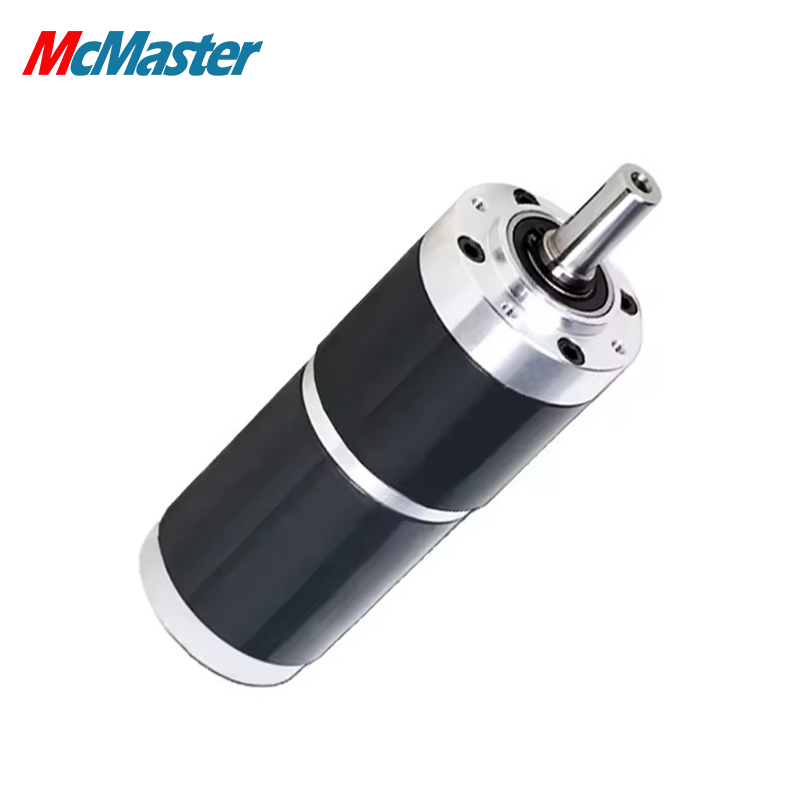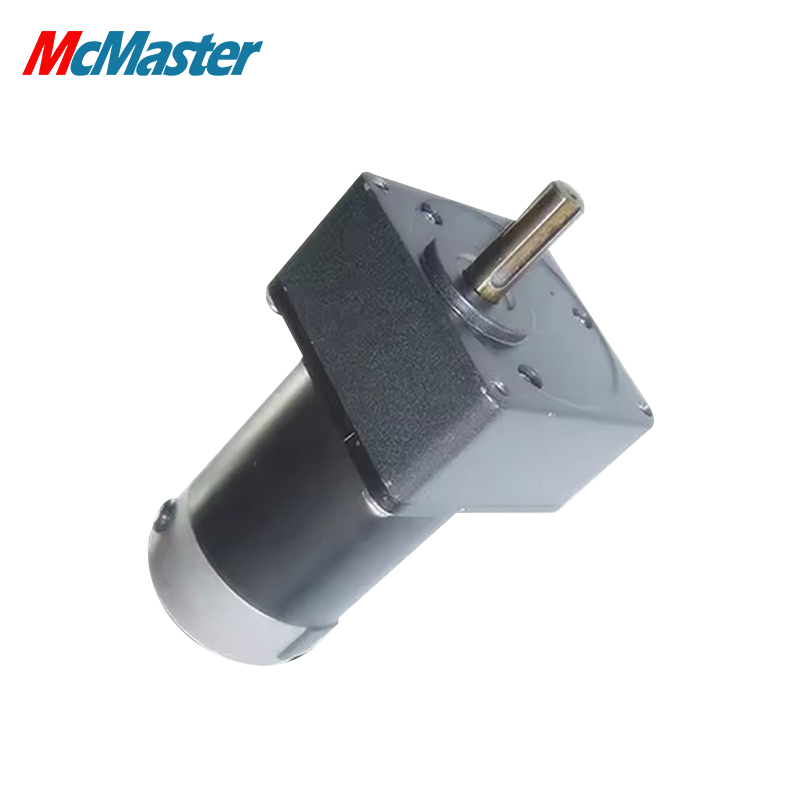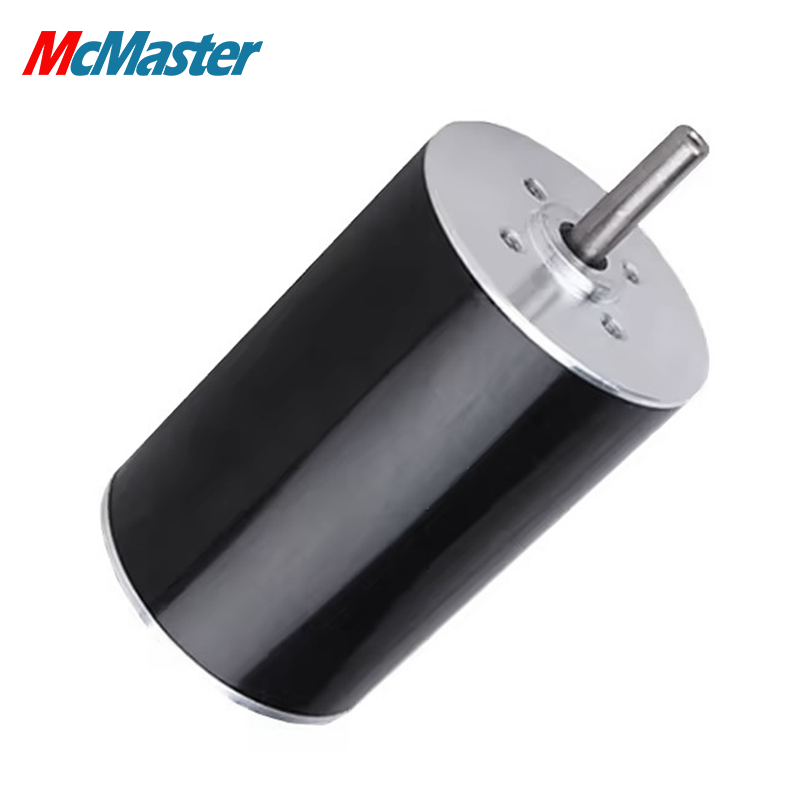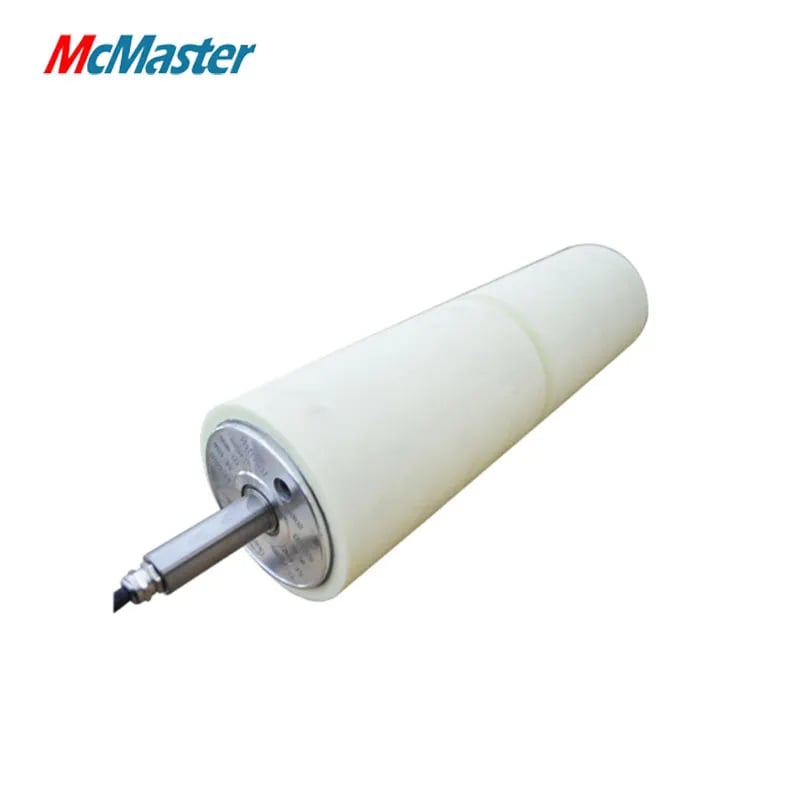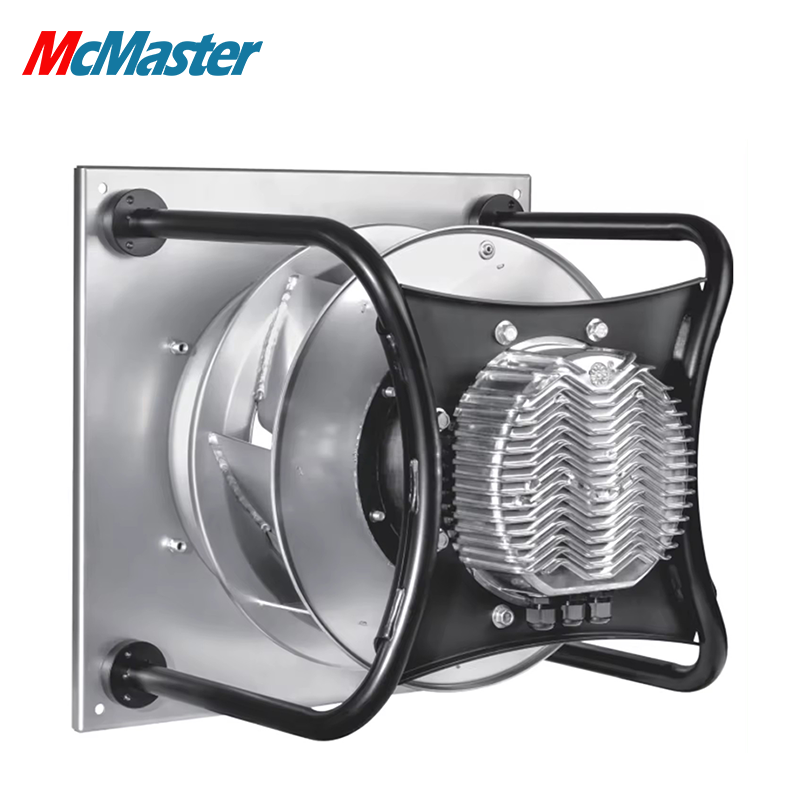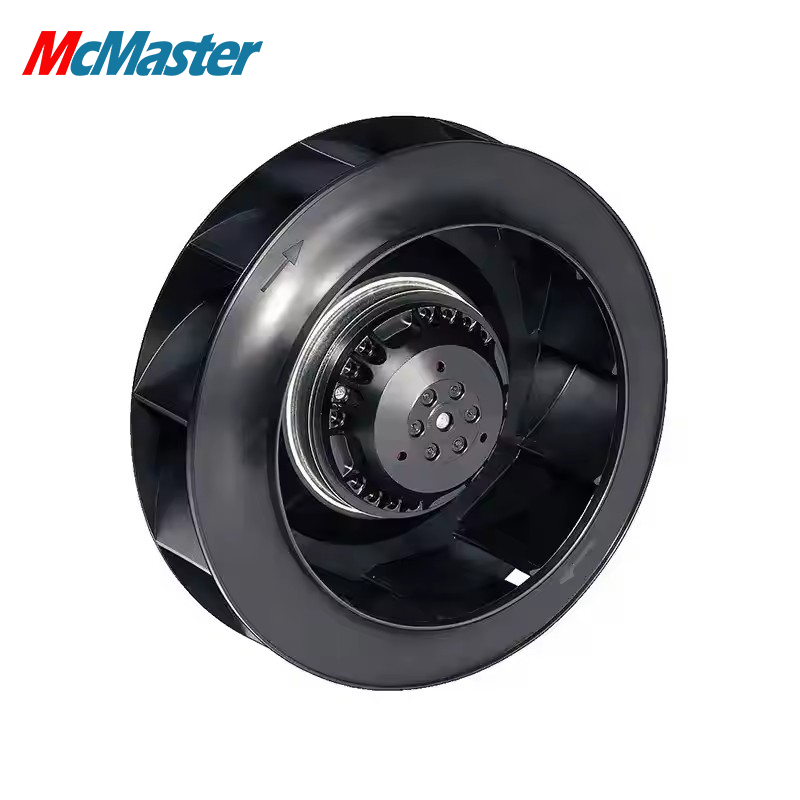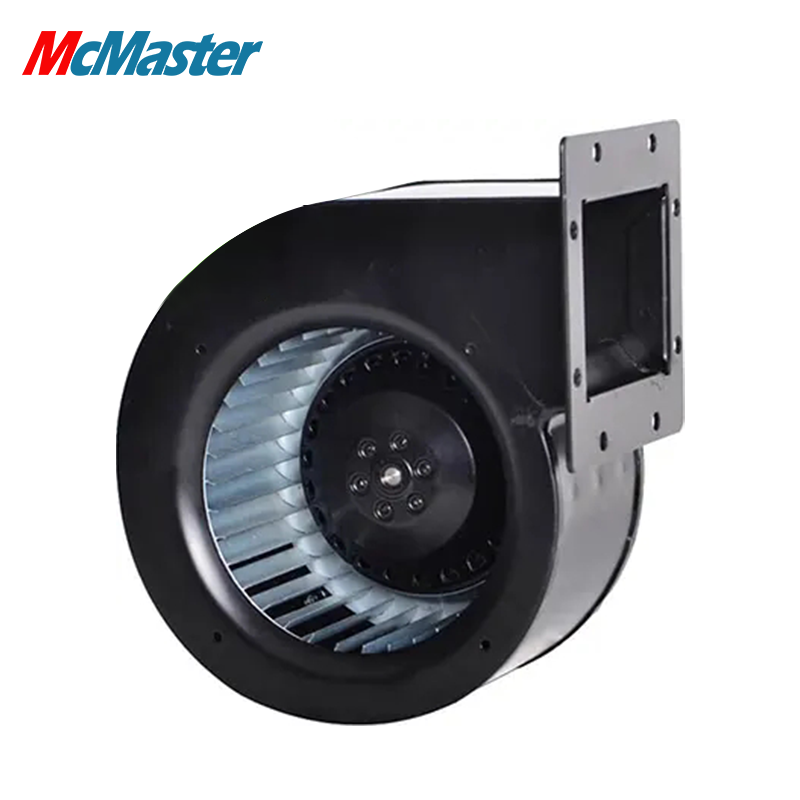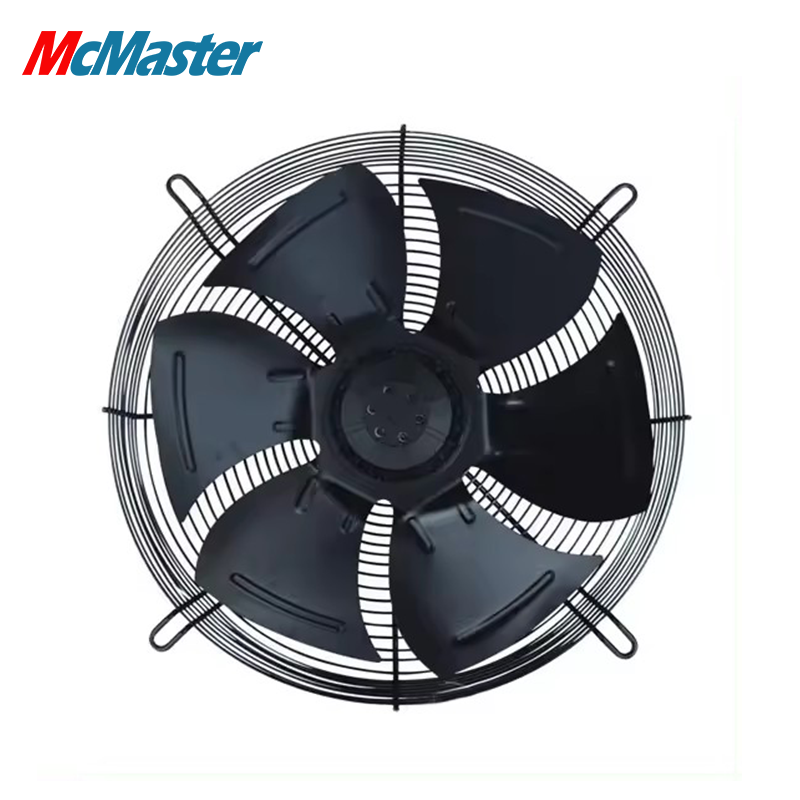
EC blowers, or electronically commutated blowers, are highly efficient devices used in various industrial applications to move air and gases. These blowers stand out due to their energy efficiency, reliability, and precise control, which are critical factors for businesses looking to optimize operations and reduce energy costs. As a purchasing manager or engineer, understanding how to select the right EC blower for your specific needs, evaluating key specifications, and anticipating potential issues will guide you in making informed decisions. This article will provide insights on choosing centrifugal blower tailored to your industrial needs, exploring essential specifications, offering a buying guide, discussing common problems and solutions, and highlighting applications across various sectors.
When selecting an EC blower, the first step is to assess your specific application requirements. Consider the following factors:
Airflow Requirements: Determine the volume of air needed for your process. EC blowers are available in various airflow capacities, and selecting one that meets your needs ensures optimal performance.
Static Pressure: Evaluate the static pressure required for your system. The blower must generate sufficient pressure to overcome resistance in ducts or filters, which influences the overall efficiency of your system.
Noise Levels: Depending on your application, noise may be a critical factor. EC blowers are designed to operate quietly, but it's wise to verify the decibel ratings to ensure they comply with workplace standards.
Speed Control: Many EC blowers offer variable speed control. This feature allows for adjustments according to changing demands, enhancing energy savings and extending the blower's lifespan.
Size and Configuration: Ensure the blower fits within your existing space constraints. Different configurations, such as inline or centrifugal, can affect installation, so consider the physical layout of your system.
Energy Efficiency: Look for models that meet or exceed industry energy efficiency standards. This not only reduces operational costs but also aligns with sustainability goals.
By carefully evaluating these criteria, you can select a McMaster Electric forward curved centrifugal blower that integrates seamlessly into your operations, maximizes efficiency, and meets your performance expectations.
When sourcing EC blowers, several key specifications should be thoroughly evaluated to ensure compatibility and performance:
Motor Type: EC blowers typically use brushless DC motors, which offer higher efficiency and longer service life compared to traditional motors. Understanding the motor's specifications, including power rating and efficiency, is crucial.
Dimensions and Weight: The physical size and weight of the blower impact installation and integration within your existing systems. Make sure the dimensions align with your design and spatial limitations.
Operating Temperature Range: Consider the temperature conditions in which the blower will operate. Select a model that can withstand the environmental conditions to prevent premature failure.
Electrical Specifications: Verify the voltage and frequency requirements of the blower. It should match your facility's electrical system to ensure smooth operation without the need for additional modifications.
Control Options: Examine the available control interfaces. Some blowers may offer analog, digital, or networked control options, providing flexibility in integration with automation systems.
Certifications: Check for industry-standard certifications that may be relevant to your application, such as CE, UL, or ISO certifications. This ensures compliance with safety and performance standards.
By focusing on these specifications, buyers can make informed decisions that minimize compatibility issues and enhance operational efficiency.
When preparing to purchase an EC blower, it's essential to gather comprehensive information to facilitate a smooth transaction. Here’s a concise buying guide:
Identify Your Needs: Clearly outline your airflow, pressure, and noise requirements. This will help suppliers recommend suitable products.
Request Specifications: When reaching out to manufacturers, request detailed specifications, including motor type, dimensions, and efficiency ratings.
Evaluate Customization Options: If your application has unique needs, inquire about customization capabilities. Many manufacturers can tailor blower specifications to fit specific requirements.
Consider Lead Times: Understand the lead times for production and delivery. This is particularly important if you're working on a tight schedule.
Check for Technical Support: Ensure the supplier offers technical support and guidance during installation and operation. This can help resolve issues quickly and effectively.
Request Samples: If possible, request a sample unit for testing in your application. This allows you to evaluate performance before committing to a bulk order.
Review Warranty and After-Sales Service: A reliable warranty and strong after-sales support can provide peace of mind and protect your investment.
By following this guide, you can streamline the purchasing process and select a McMaster Electric EC blower that meets your operational needs.
Even with high-quality EC blowers, issues can arise. Here are some common problems and their solutions:
Insufficient Airflow: If the blower is not providing the expected airflow, check for blockages in the intake or discharge ducts. Also, ensure that the blower is not undersized for the application.
Excessive Noise: Unusual noise may indicate mechanical issues or misalignment. Regular maintenance, including lubrication and alignment checks, can help reduce noise.
Vibration Issues: Excessive vibration can be a sign of an imbalance or misalignment in the forward curve blower. Inspect mounting and ensure the blower is securely fixed to minimize vibrations.
Overheating: If the blower is overheating, it may be operating outside its specified temperature range. Check for airflow restrictions and ensure adequate ventilation around the unit.
Electrical Problems: Fluctuations in voltage or frequency can lead to performance issues. Ensure that the electrical supply matches the blower's specifications.
By proactively addressing these common issues, you can maintain optimal performance and longevity of your EC blowers.
EC blowers are versatile devices used across numerous industries due to their efficiency and adaptability. Here are some notable applications:
HVAC Systems: In heating, ventilation, and air conditioning systems, EC blowers provide precise airflow control, enhancing indoor air quality and energy efficiency.
Industrial Automation: In automated production lines, McMaster Electric EC blowers support cooling and air circulation, ensuring optimal operating conditions for machinery and processes.
Medical Equipment: In the medical field, EC blowers are essential for maintaining airflow in devices such as ventilators and surgical equipment, where reliability and efficiency are critical.
Consumer Electronics: EC blowers play a vital role in various consumer electronics, providing cooling solutions that enhance performance and extend product life.
Robotics: In robotics, these blowers assist in cooling and airflow management, essential for maintaining the performance of sensitive electronic components.
Automotive Applications: In the automotive industry, EC blowers help maintain cabin comfort and regulate engine temperatures, contributing to overall vehicle efficiency.
Understanding these applications can help buyers identify the right EC blower for their specific industry needs, ensuring they select a product that enhances operational efficiency and meets performance standards.

 EN