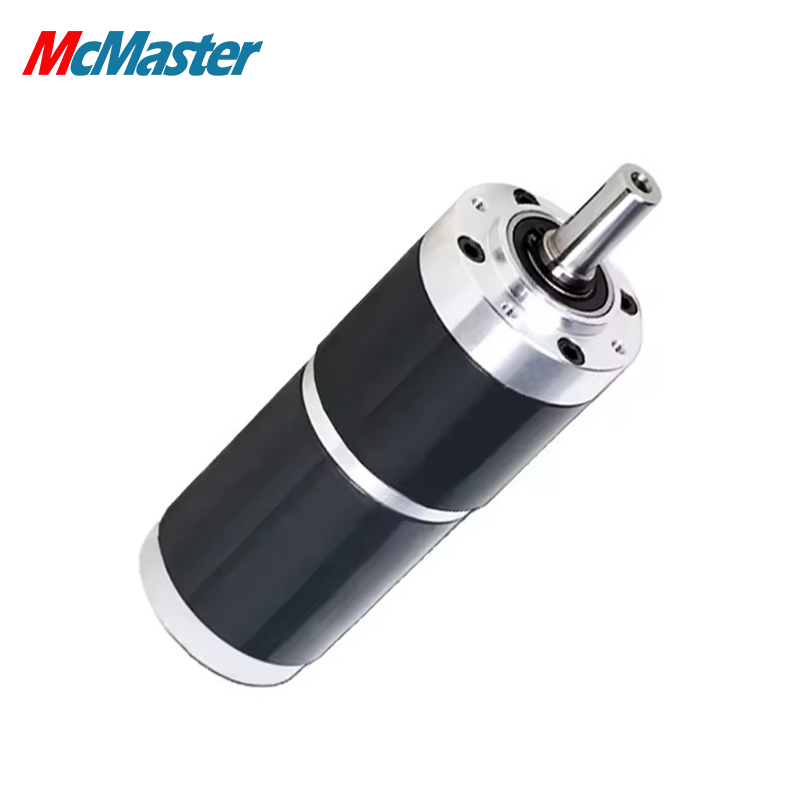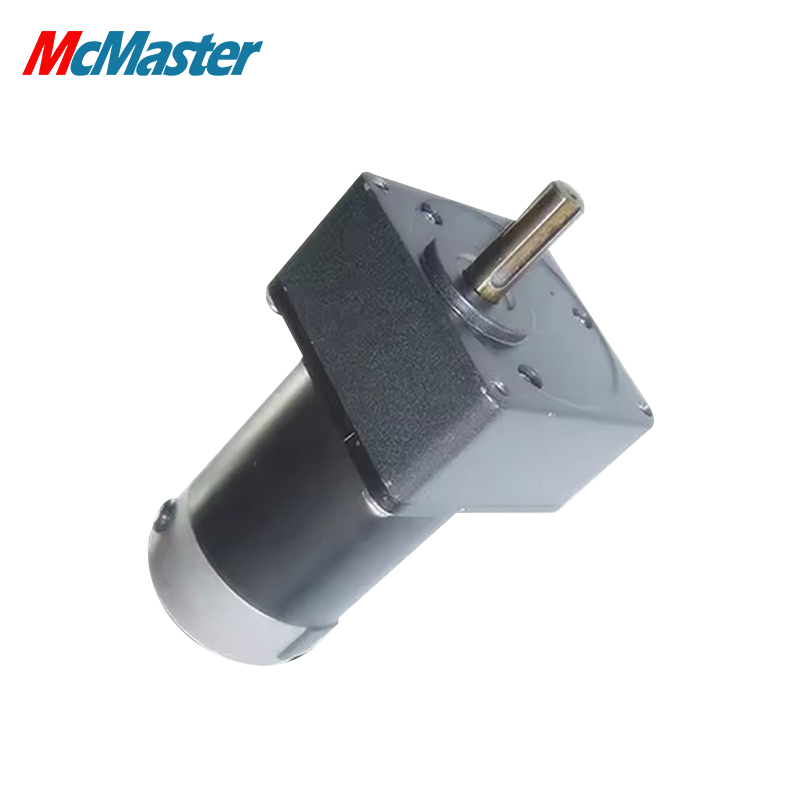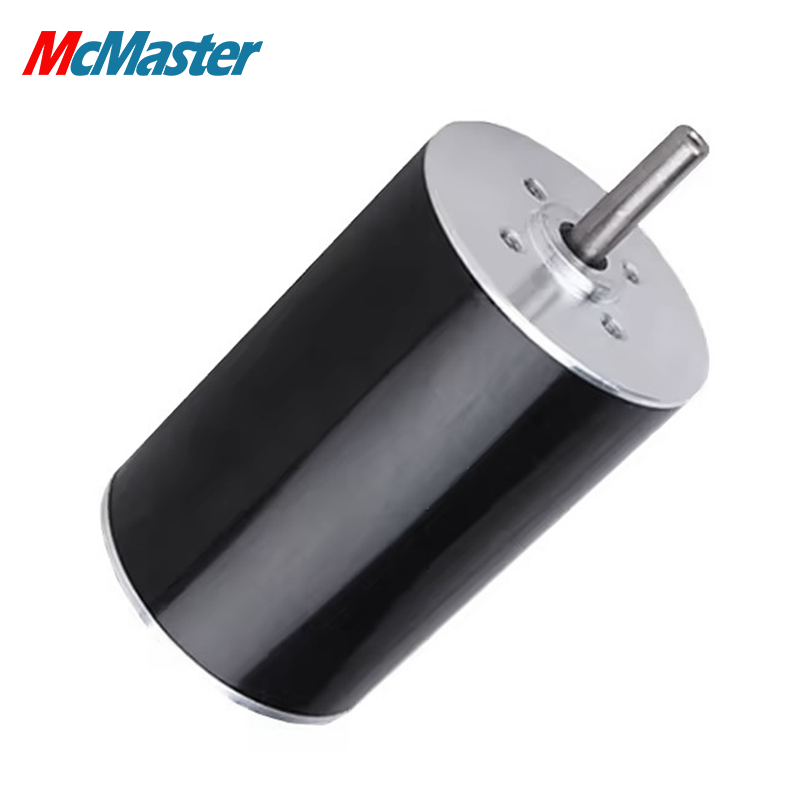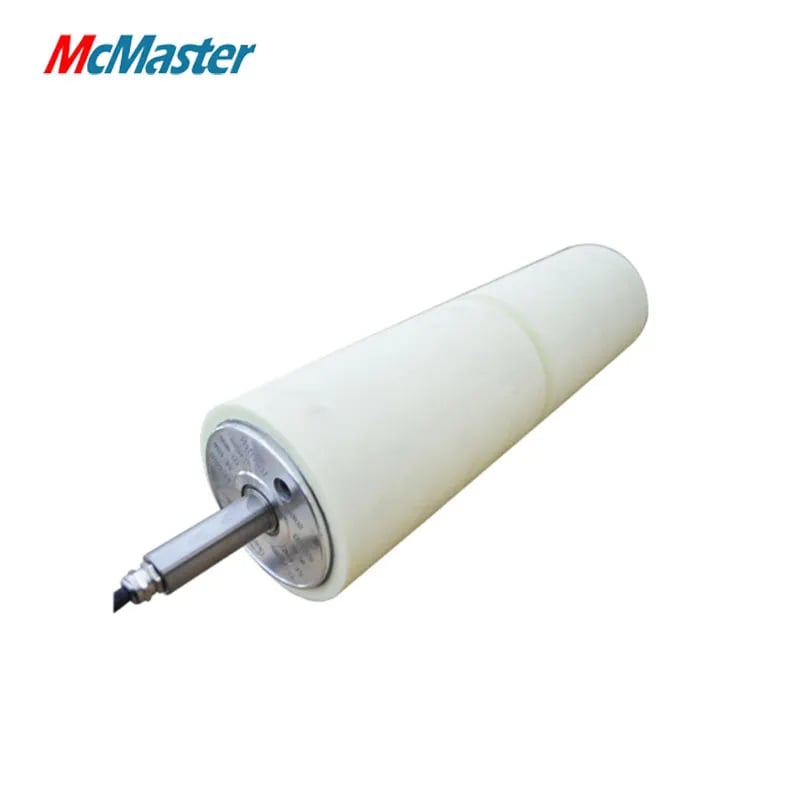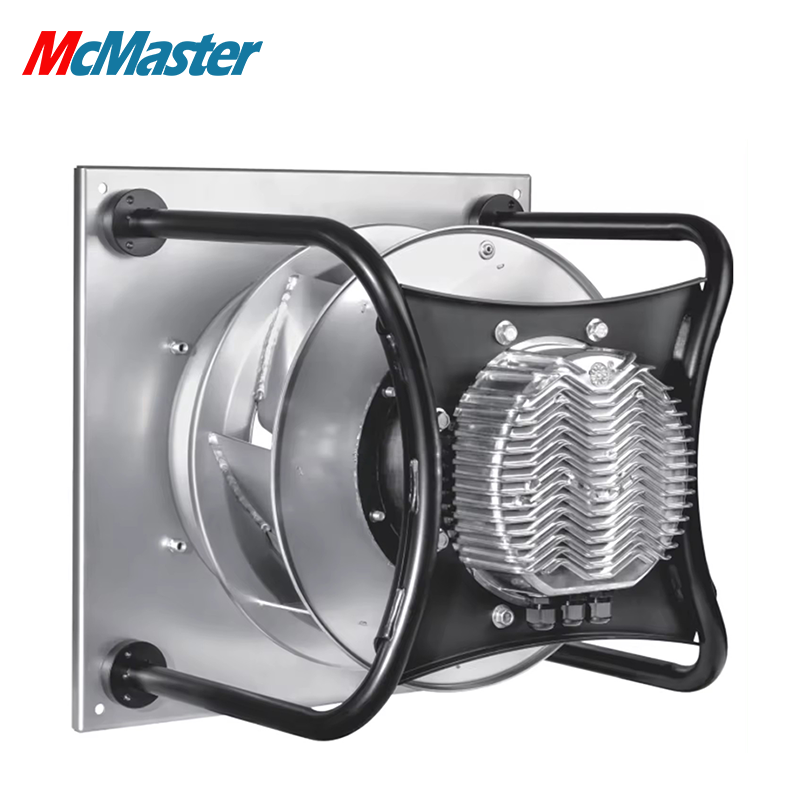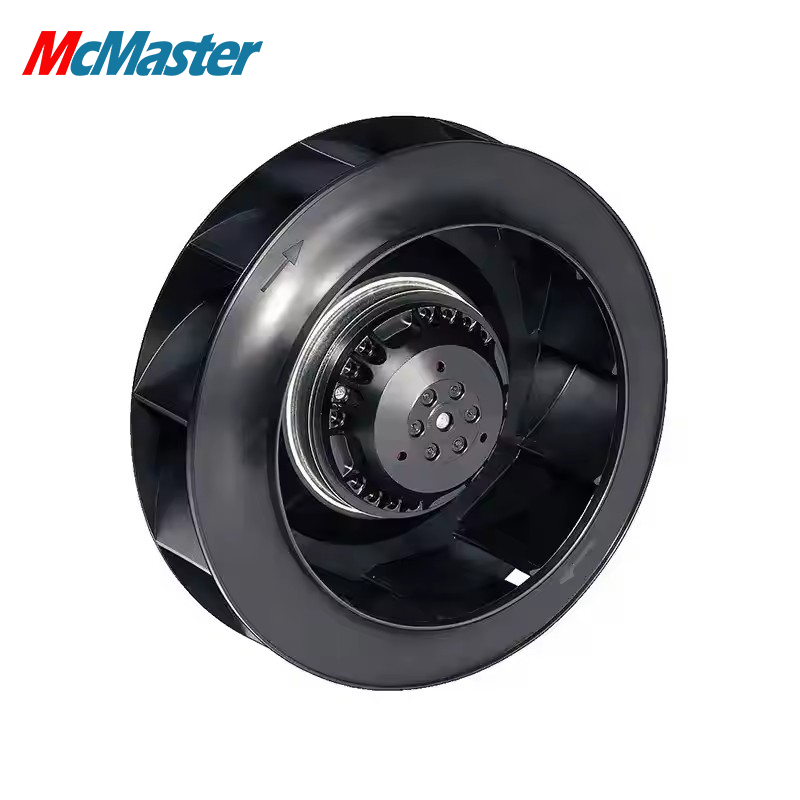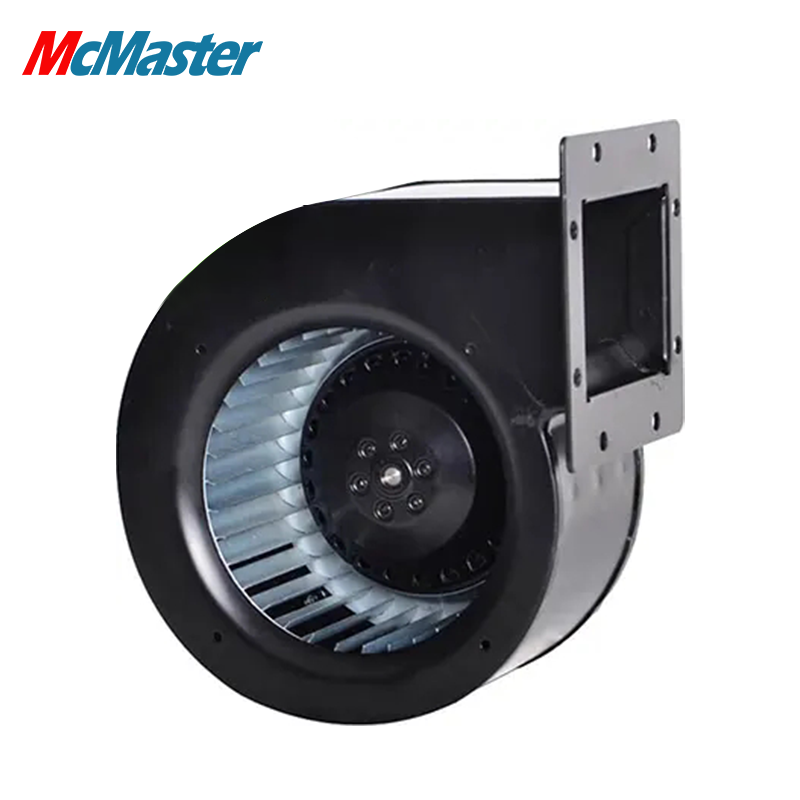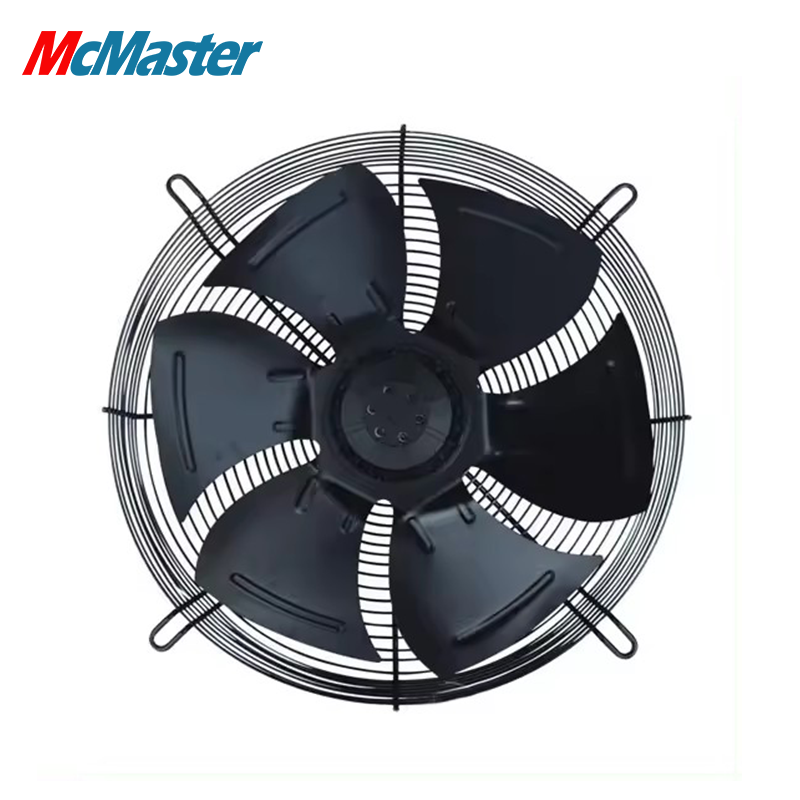
EC blowers for air handling units (AHUs) are essential components in modern HVAC systems, providing energy-efficient air circulation and temperature control. As a B2B buyer, understanding the specifications, quality evaluation, and installation processes of McMaster Electric ec blower is crucial for making informed purchasing decisions. This article will guide you through key specifications, installation guidance, performance considerations, and common problems associated with EC blowers, ensuring you have the necessary knowledge to select the best solution for your needs.
When evaluating EC blowers for AHUs, several key specifications should be considered to ensure compatibility and performance.
Motor Type: EC blowers typically use electronically commutated motors, which are more efficient than traditional AC motors. This efficiency translates to lower energy consumption and operational costs.
Airflow Capacity: The blower's airflow capacity, measured in cubic feet per minute (CFM) or liters per second (L/s), should match the requirements of the air handling unit. Over- or under-sizing can lead to inadequate performance.
Static Pressure: The static pressure rating of McMaster Electric ec fans for ahu, measured in inches of water gauge (inWG) or Pascals (Pa), is crucial for ensuring that the blower can overcome duct resistance and deliver the desired airflow.
Noise Level: Noise levels, expressed in decibels (dB), should be evaluated, especially in applications where low noise is critical. Selecting a blower with a lower dB level can enhance comfort in commercial spaces.
Efficiency Ratings: Look for blowers with high efficiency ratings, such as the Energy Efficiency Ratio (EER) or Seasonal Energy Efficiency Ratio (SEER), to ensure optimal energy performance.
Understanding these specifications of McMaster Electric ec fan in ahu allows buyers to select EC blowers that meet their specific application requirements, enhancing overall HVAC performance.
Quality evaluation of EC blowers is essential to ensure long-term reliability and performance. Here are several factors to consider:
Material and Construction: High-quality materials, such as corrosion-resistant metals and durable plastics, contribute to the longevity of EC blowers. Evaluate the construction quality to ensure it can withstand environmental factors.
Certifications: Check for industry certifications such as ISO 9001, which indicates adherence to quality management standards. Certifications ensure that the product has met specific safety and quality benchmarks.
Manufacturer Reputation: Research the manufacturer's history and reputation in the industry. A company like Changzhou McMaster Electric, with over 20 years of experience and a focus on innovation and sustainability, is likely to provide reliable products.
Warranty and Support: A robust warranty and responsive customer support can offer peace of mind. Ensure the manufacturer provides adequate post-purchase support and service availability.
Performance Testing: Inquire about performance testing protocols used by the manufacturer. Testing under real-world conditions can validate the blower’s efficiency and reliability.
Evaluating these quality indicators helps buyers avoid potential pitfalls and ensures that the selected EC blowers will perform effectively in their applications.
Proper installation of EC blowers is critical for optimal performance. Here are essential installation guidelines:
Site Preparation: Ensure that the installation site is clean and free of obstructions. Proper ventilation and accessibility for maintenance should be considered.
Mounting Configuration: Follow the manufacturer's guidelines for mounting configurations. Proper alignment and securing of the blower are vital to reduce vibration and noise.
Electrical Connections: Ensure that the electrical connections meet the specifications outlined in the product manual. Incorrect wiring can lead to performance issues or damage to the blower.
Ductwork Compatibility: Verify that the ductwork is compatible with the blower's specifications. Proper sealing and insulation of ducts will prevent air leaks and improve system efficiency.
Testing after Installation: After installation, conduct thorough testing to ensure that the blower operates as intended. Measure airflow and static pressure to confirm that the system meets design specifications.
Following these installation guidelines will help ensure that EC blowers function effectively within air handling units, contributing to overall HVAC efficiency.
When selecting EC blowers, it is essential to consider performance, cost, and efficiency factors:
Initial Cost vs. Long-Term Savings: While the initial purchase price of EC blowers may be higher than traditional options, their energy efficiency can lead to significant cost savings over time. Evaluate the total cost of ownership, including energy consumption and maintenance costs.
Energy Consumption: EC blowers are designed to use less energy compared to conventional blowers. Look for products with high efficiency ratings to maximize energy savings and reduce operational costs.
Operating Conditions: Consider the operating environment of the blower. High humidity, temperature extremes, or corrosive environments can affect performance. Select blowers designed for specific conditions to ensure reliability.
Maintenance Requirements: Assess the maintenance needs of the blower. Regular maintenance can prolong the lifespan of the blower and maintain its efficiency.
Return on Investment (ROI): Calculate the ROI by comparing the savings from reduced energy consumption against the initial investment. A favorable ROI helps justify the purchase decision.
By carefully evaluating these factors, buyers can make informed decisions that balance initial costs with long-term operational efficiency.
Understanding common problems that may arise with EC blowers can help buyers proactively address potential issues:
Noise Issues: Excessive noise can be a concern with EC blowers. If noise levels exceed expectations, check for proper installation and alignment. Vibration isolators may be required to mitigate noise.
Inconsistent Airflow: Inconsistent airflow can indicate issues such as blocked ducts or improper installation. Regular inspection and maintenance can help ensure smooth operation.
Electrical Failures: Electrical problems can lead to blower malfunctions. Ensure that electrical connections are secure and that the blower is compatible with the power supply specifications.
Overheating: Overheating may occur if the blower is operating beyond its design capacity. Verify that the blower is correctly sized for the application and that airflow is unrestricted.
Short Lifespan: Factors such as poor quality materials or inadequate maintenance can shorten the lifespan of EC blowers. Regular maintenance and selecting high-quality products can help extend their service life.
By being aware of these common issues and their solutions, buyers can ensure the longevity and reliability of their EC blowers, ultimately leading to improved HVAC system performance.

 EN