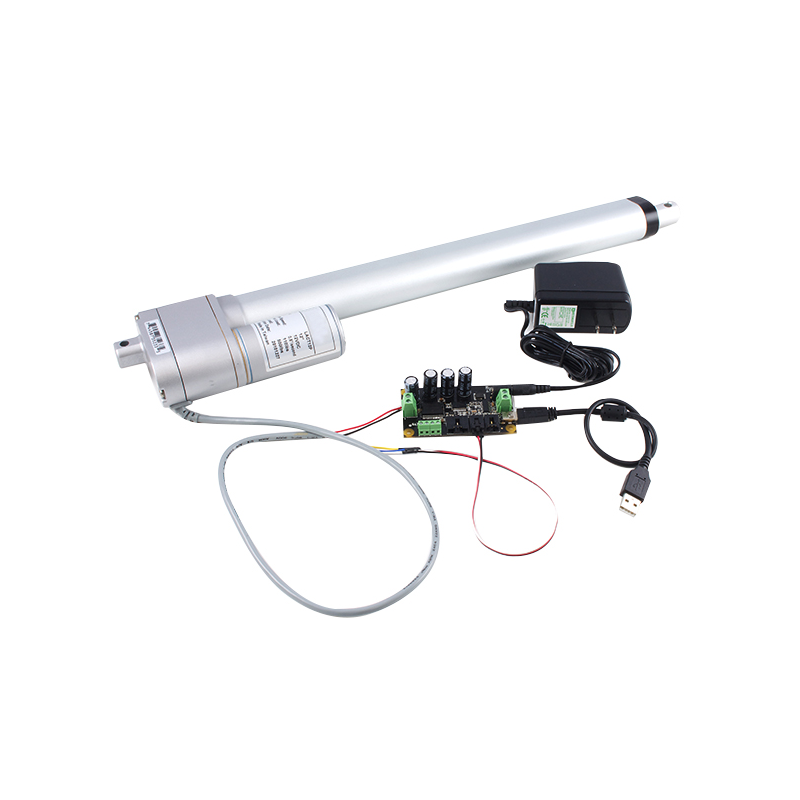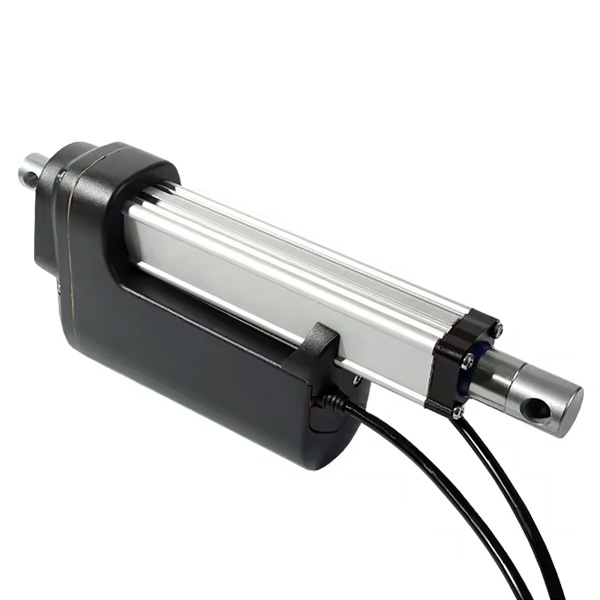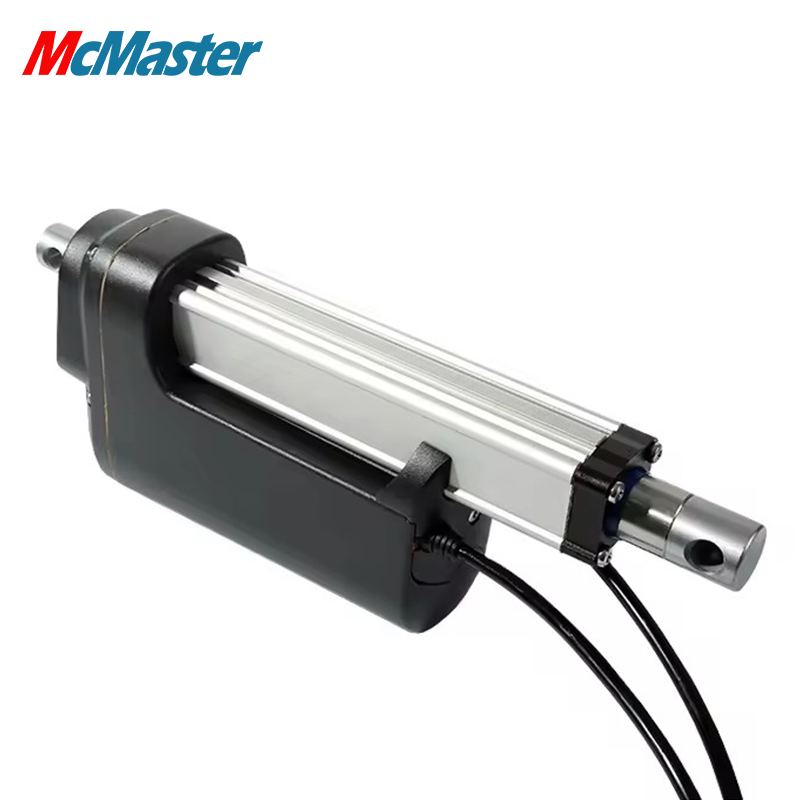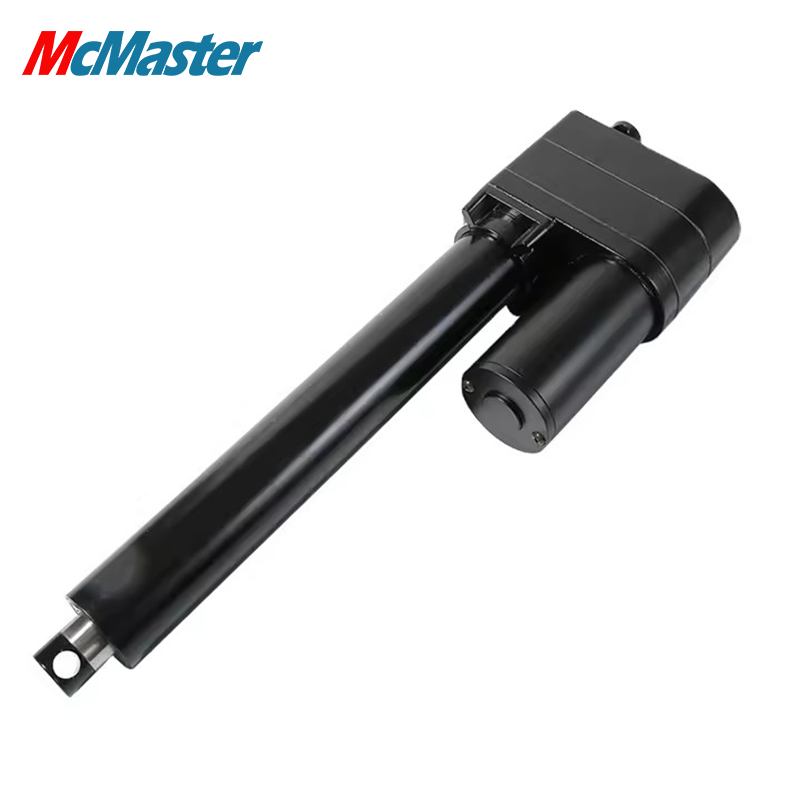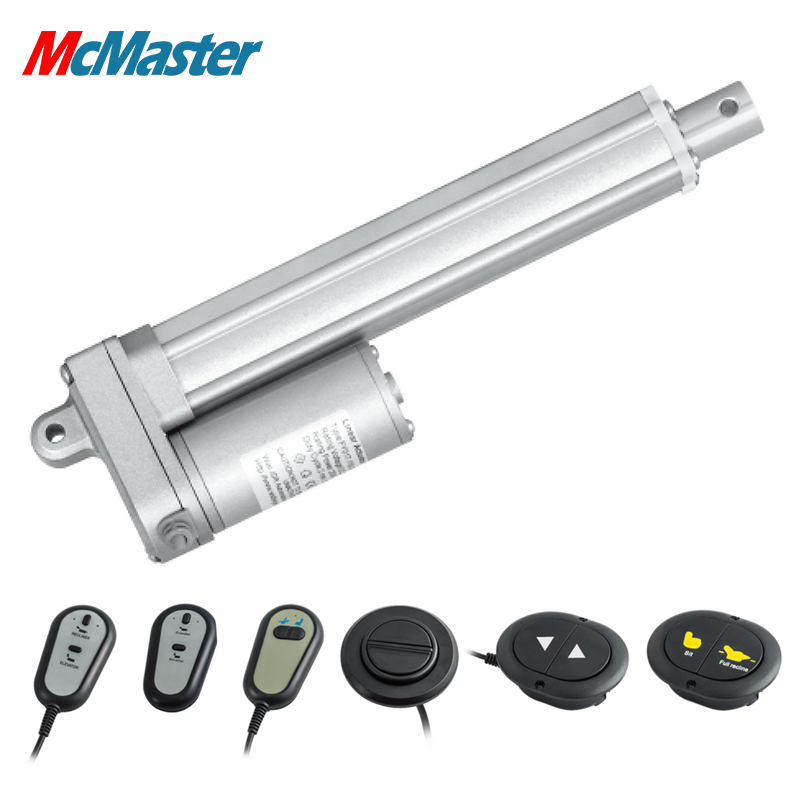
automation, offering precise, efficient, and direct motion without the need for mechanical components like gears or belts. As a B2B buyer, understanding the intricacies of McMaster Electric linear electric motor is crucial for making informed purchasing decisions. Key concerns often include performance specifications, application suitability, customization options, and the potential challenges associated with these systems. This article will guide you through the essential considerations when selecting linear motors for your applications, addressing common issues and best practices in the industry.
When selecting linear motors, several factors must be taken into account to ensure optimal performance and compatibility with your specific applications. Firstly, consider the load requirements, as linear motors are designed to handle various weight capacities. The thrust force and speed capabilities of McMaster Electric linear drive motor should align with your operational needs, ensuring that it can meet the demands of your system without strain.
Another crucial aspect is the motor's design type, which can be either iron-core or ironless. Iron-core motors typically provide higher thrust and are more compact but may generate more heat and require more maintenance. In contrast, ironless motors offer smoother motion and reduced inertia, making them ideal for applications requiring high accuracy and speed. Understanding these differences will help you choose a motor that best fits your application’s performance criteria.
Finally, assess the environmental conditions where the motor will be used. Factors such as temperature extremes, exposure to moisture or dust, and the need for specific certifications (like IP ratings) can significantly influence your choice. Customization options for these specifications are also important, as many manufacturers, including McMaster Electric electric motor linear actuator, offer tailored solutions to meet unique operational demands.
Despite their advantages, linear motors can present specific challenges that buyers should be aware of. One common issue is overheating, which can occur if the motor is not adequately sized for the application. This can lead to a decrease in performance and potential failure. To mitigate this, ensure that the motor's thermal specifications are aligned with your application's duty cycle. It's advisable to consult with the manufacturer to confirm that the motor can handle the expected load without exceeding temperature limits.
Another potential problem is misalignment during installation, which can affect performance and lead to premature wear. Proper installation techniques and alignment tools are essential to ensure that the motor operates smoothly. Before finalizing your order, request installation guidelines and possibly a training session for your team to avoid these issues.
Finally, electromagnetic interference (EMI) can be a concern in environments with sensitive electronic equipment. To address this, look for linear motors designed with shielding or consider using twisted pair cables for connections. Discussing these potential challenges with your supplier can lead to more effective solutions tailored to your operational context.
For contractors working with linear motors, adherence to best practices is critical for ensuring successful implementation. First, always conduct a thorough needs assessment to determine the exact specifications required for the project. This includes understanding the load, speed, and environmental conditions that the motor will face.
Next, involve the manufacturer early in the process. Collaborating with a supplier like Changzhou McMaster Electric can provide insights into the best motor types and configurations for your specific application. Engaging them in the design phase can lead to more effective solutions and might uncover customization opportunities that could enhance performance.
Finally, ensure that all installation and operational guidelines are followed meticulously. Proper documentation and adherence to the manufacturer’s recommendations can significantly reduce the likelihood of issues during operation and increase overall system reliability.
The materials used in linear motors can significantly impact their performance, durability, and suitability for various applications. For instance, the choice of magnets—whether neodymium or ferrite—will affect the motor's efficiency and power-to-weight ratio. Neodymium magnets, while more expensive, offer higher performance in a smaller package, making them ideal for applications where space is limited.
Similarly, the housing material can influence the motor’s ability to withstand environmental challenges. Aluminum housings, for instance, are lightweight and resistant to corrosion, making them suitable for many industrial applications. On the other hand, stainless steel might be more appropriate in environments where moisture or chemicals are present.
Additionally, the insulation materials used in the windings can affect the motor's thermal performance. Selecting a motor with high-quality insulation can minimize heat generation and enhance longevity. Understanding these material properties will help you make a more informed choice when selecting linear motors for automation applications.
Linear motors are versatile components used across various industrial sectors, each benefiting from their unique capabilities. In automation, they play a critical role in applications such as conveyor systems and robotics, where precise and rapid movement is essential. Their ability to provide direct drive means less maintenance and higher reliability compared to traditional mechanical systems.
In the automotive industry, linear motors are utilized in assembly lines for tasks such as positioning and handling components with precision. Their integration into robotic systems enhances productivity and reduces cycle times, making manufacturing processes more efficient.
The medical sector also leverages linear motors for applications like surgical robots and diagnostic equipment, where precision and reliability are paramount. Customization options allow manufacturers to tailor linear motors to meet specific regulatory and performance standards.
Finally, in consumer electronics, linear motors are employed in devices requiring fine movement control, such as camera autofocus systems and optical equipment. Understanding these applications can guide buyers in selecting the right linear motor solutions that align with their industry requirements.
By considering the factors outlined , B2B buyers can make informed decisions when sourcing linear motors, ensuring they select the right products for their applications while partnering with reliable manufacturers like Changzhou McMaster Electric for tailored solutions.

 EN