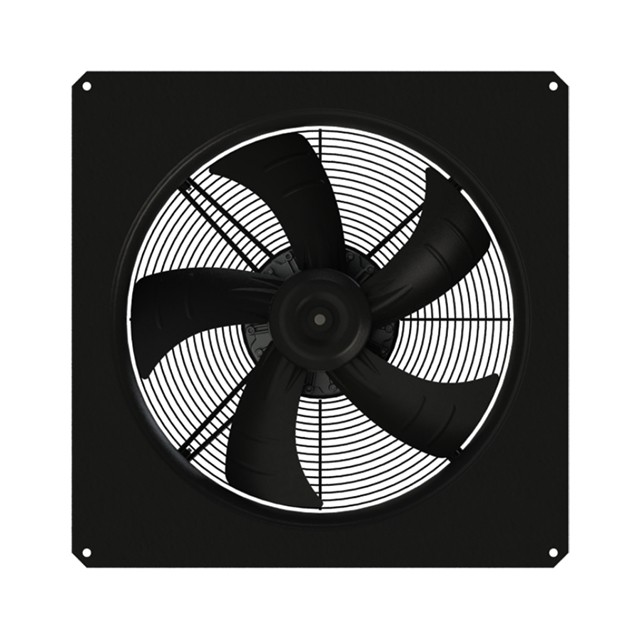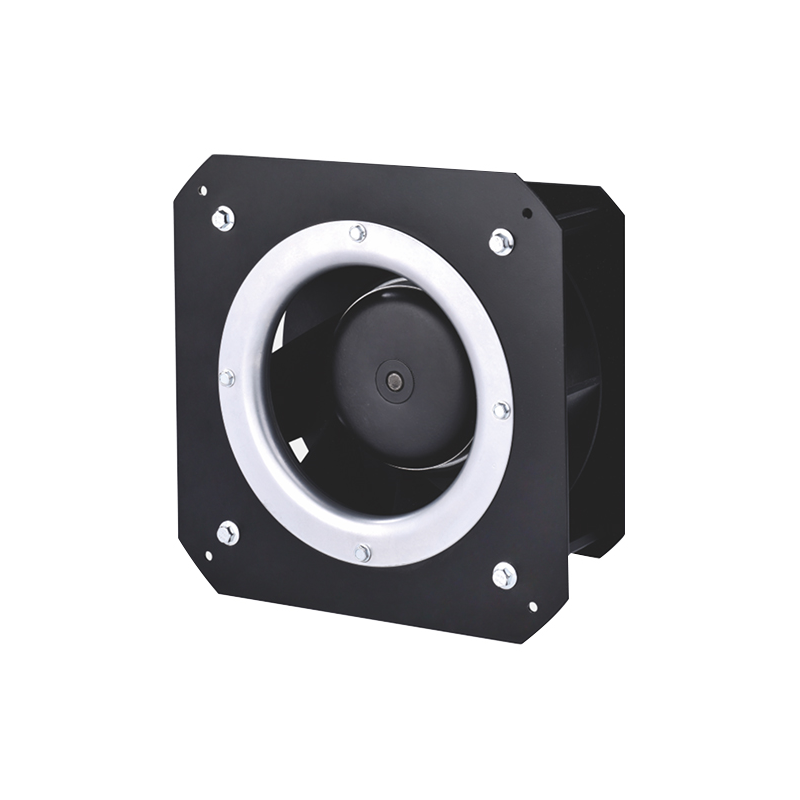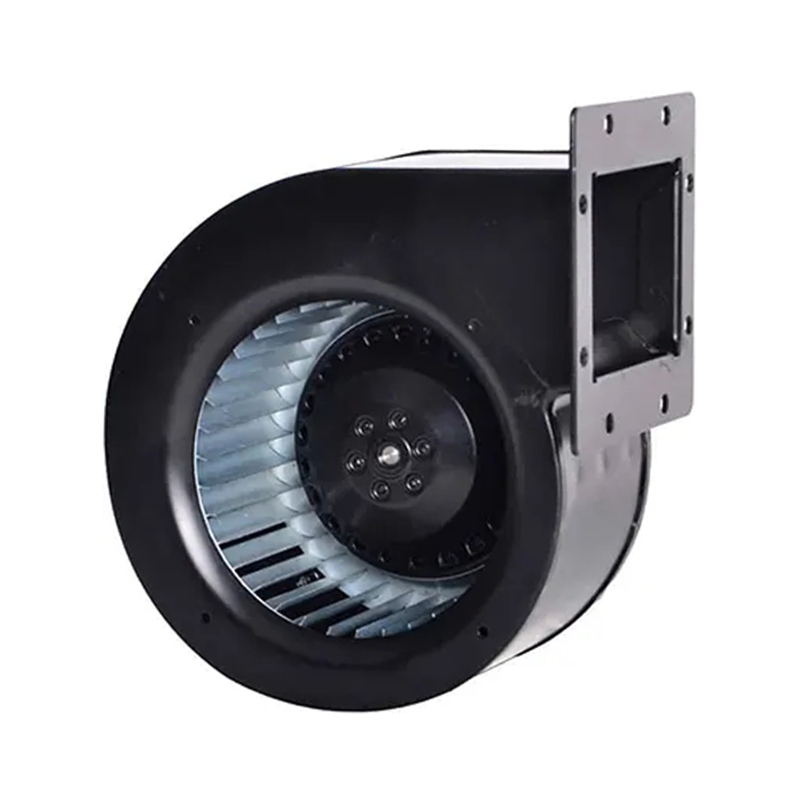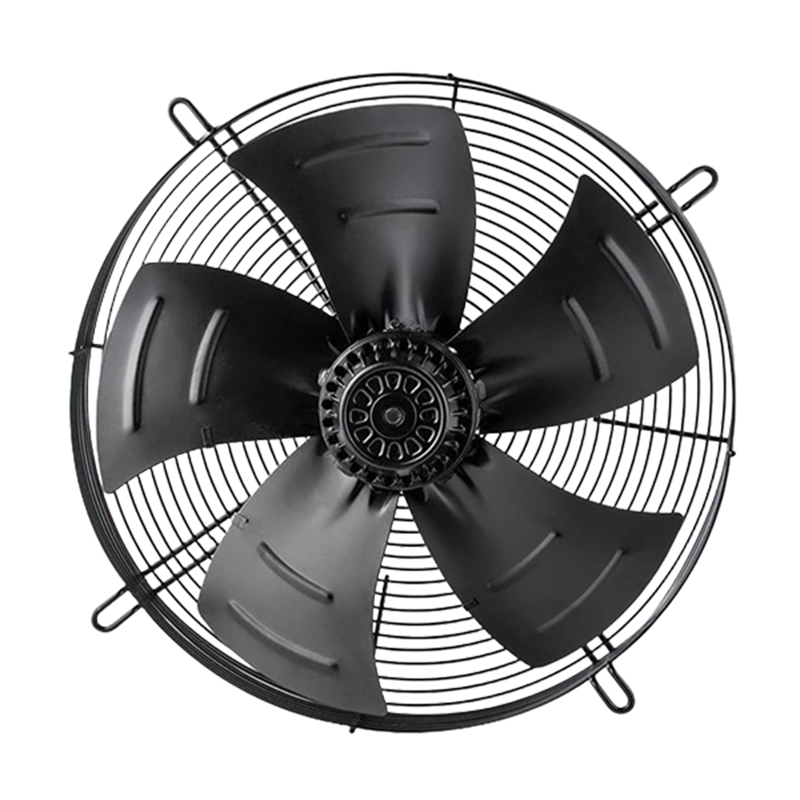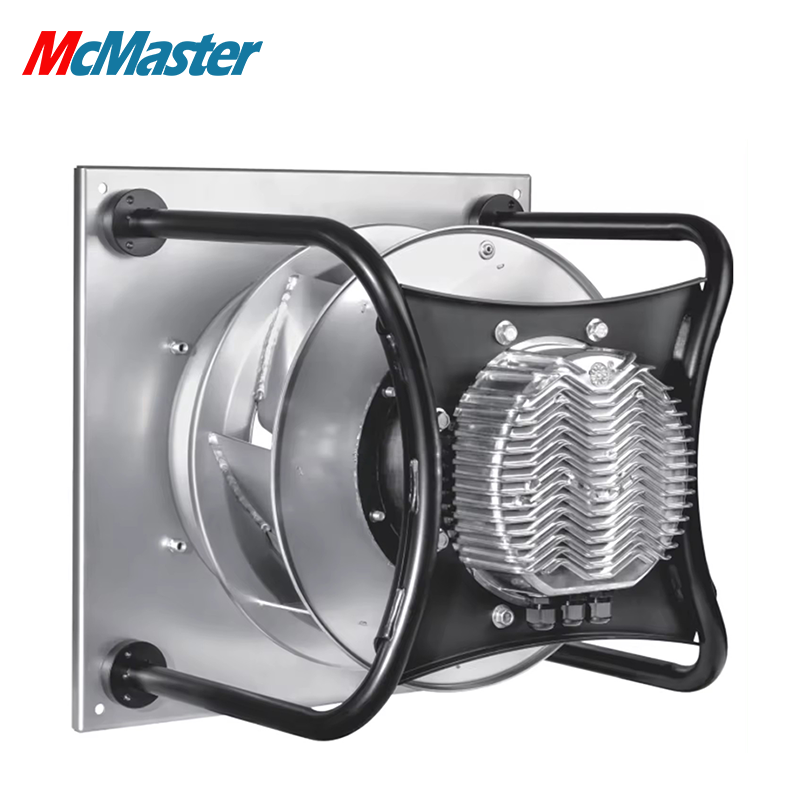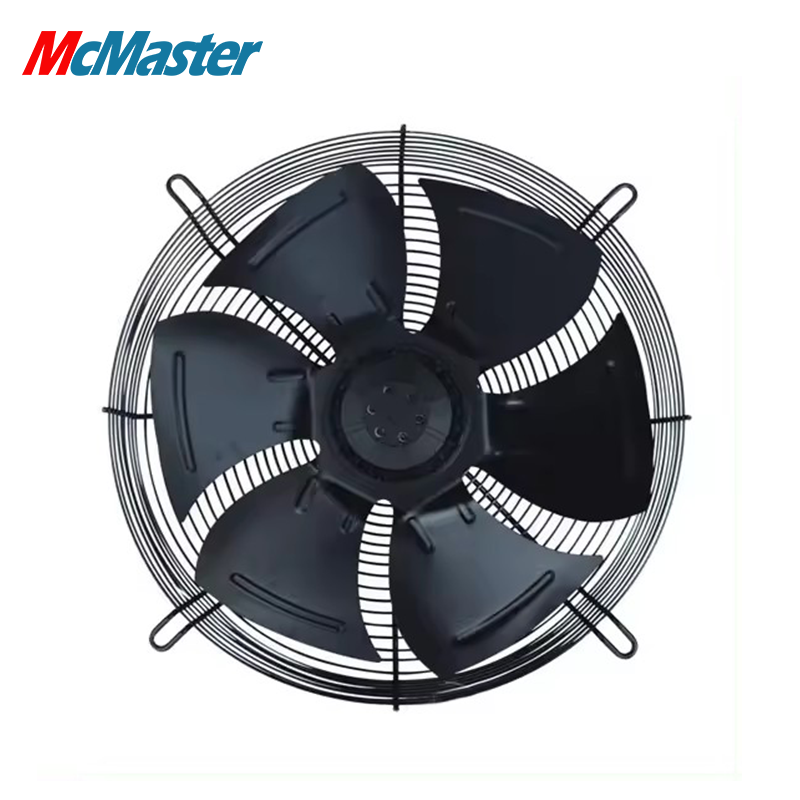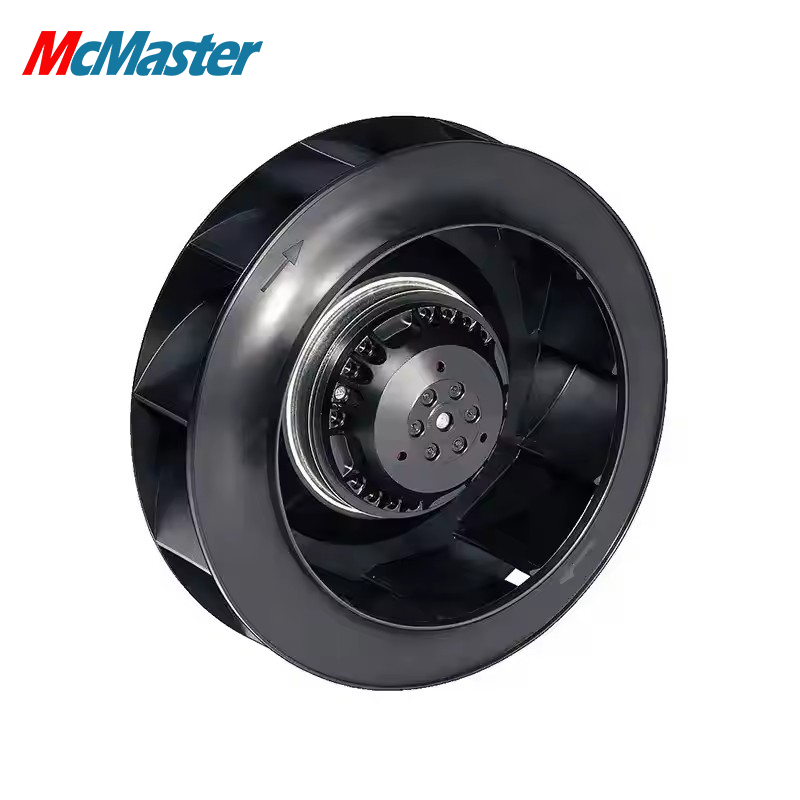
Backward curved centrifugal fans are essential components widely used in various industrial applications, offering efficient air movement and pressure generation. As a purchasing manager or engineer, evaluating the right backward curved centrifugal backward curved fan manufacturers is crucial for ensuring optimal performance in your operations. This article will guide you through key specifications, purchasing tips, installation guidance, common issues, and cost factors associated with these fans, equipping you with the necessary knowledge to make informed decisions.
When considering backward curved centrifugal fans, several key specifications should be evaluated to ensure they meet your application requirements:
Airflow Capacity: Measured in cubic feet per minute (CFM), this indicates how much air the fan can move. Ensure that the fan's airflow matches the needs of your system, as insufficient airflow can lead to inefficiencies.
Static Pressure: This specification, expressed in inches of water gauge (in WG), indicates the fan's ability to overcome resistance in the ductwork. Higher static pressure ratings are beneficial for systems with extensive ducting or obstructions.
Motor Power and Efficiency: The motor’s horsepower (HP) rating and efficiency impact operational costs. Look for fans equipped with energy-efficient motors to reduce long-term energy consumption.
Noise Levels: Measured in decibels (dB), noise levels can affect working environments. Select ac centrifugal fan designed for quieter operation, especially in indoor or sensitive applications.
Material and Construction: Depending on the operating environment, the materials used (e.g., galvanized steel, aluminum, or composite materials) should be considered for durability and resistance to corrosion.
Evaluating these specifications will help ensure the backward curved centrifugal fan you choose aligns with your operational requirements and performance expectations.
When purchasing backward curved centrifugal fans in bulk, buyers should keep several important factors in mind:
Request Detailed Quotations: Provide potential suppliers with comprehensive specifications including required airflow, pressure ratings, dimensions, and intended applications. This allows for accurate quotations and comparisons.
Minimum Order Quantity (MOQ): Understand the MOQ for each manufacturer as this can significantly impact your purchasing strategy. Some manufacturers may offer more favorable pricing for larger quantities, while others may cater to smaller orders.
Customization Options: Inquire about customization capabilities, such as unique dimensions or specialized materials. Custom centrifugal fan hvac can better fit specific applications and enhance performance.
Lead Time: Confirm lead times for delivery, especially if your project has tight deadlines. Understanding production timelines will aid in planning and coordination with other project components.
Supplier Reputation: Research potential suppliers' reputations and customer reviews. A manufacturer with a solid track record for quality and reliability is essential for long-term partnerships.
By taking these factors into account, you can engage in a more strategic purchasing process and select the best backward curved centrifugal fan manufacturers for your needs.
Proper installation is critical for the performance and longevity of backward curved centrifugal fans. Here are some essential guidelines:
Site Preparation: Ensure the installation site is clean and clear of debris. Proper access to the installation area will facilitate transportation and assembly.
Mounting Configuration: Follow the manufacturer's specifications for mounting configurations. The fan should be securely mounted to minimize vibrations, which can lead to noise and mechanical issues.
Ductwork Compatibility: Ensure that the ducting connected to the fan is appropriately sized and configured. Mismatched duct sizes can cause airflow restrictions, reducing the fan's efficiency.
Electrical Connections: All electrical connections must comply with local codes and regulations. It's advisable to have a qualified electrician perform these connections.
Testing and Balancing: After installation, conduct testing to ensure proper airflow and pressure levels. Balancing the system helps identify any areas of excessive noise or vibration, allowing for adjustments to be made.
By adhering to these installation guidelines, you can maximize the performance and reliability of your backward curved centrifugal fans.
Backward curved centrifugal fans can encounter several common issues. Understanding these problems and their solutions can help mitigate downtime:
Vibration Issues: Excessive vibration can be caused by misalignment or imbalance in the fan. Regular maintenance checks can help identify these problems. If detected, realignment or balancing may be necessary.
Reduced Airflow: If airflow is lower than expected, check for blockages in the ductwork or filters. Ensuring proper maintenance and cleaning of ducts will help maintain optimal airflow.
Noise Complaints: If the fan produces excessive noise, it may indicate a mechanical issue or improper installation. Inspect mounting and alignment, and consider using vibration isolators to reduce noise.
Motor Failure: A motor that frequently fails may indicate compatibility issues or inadequate power supply. Ensure that the motor's specifications align with the fan's requirements and the electrical system supports it.
Corrosion or Material Degradation: Depending on the environment, fans may be susceptible to corrosion. Regular inspections and applying protective coatings can prolong the lifespan of fan components.
By proactively addressing these common issues, you can ensure the smooth operation of backward curved centrifugal fans and minimize unexpected interruptions in your processes.
Understanding the cost factors associated with backward curved centrifugal fans is essential for effective budgeting and procurement. Key considerations include:
Initial Purchase Price: While it’s tempting to opt for the lowest initial price, consider the long-term value, including energy efficiency and durability, which can affect overall operational costs.
Operating Costs: Evaluate the energy consumption of the fan, as efficient models can lead to significant savings over their lifespan. Look for fans with high-efficiency motors that comply with industry standards.
Maintenance Expenses: Factor in routine maintenance costs, which can vary based on the fan's design and operating conditions. Selecting models with fewer moving parts may reduce long-term maintenance needs.
Installation Costs: Installation expenses can add up, so it's essential to consider whether the manufacturer provides support or if additional labor will be needed.
Replacement Parts: Inquire about the availability and cost of replacement parts. A manufacturer that offers readily available parts can reduce downtime and maintenance costs.
By considering these factors, you can better assess the total cost of ownership for backward curved centrifugal fans and make informed purchasing decisions.

 EN