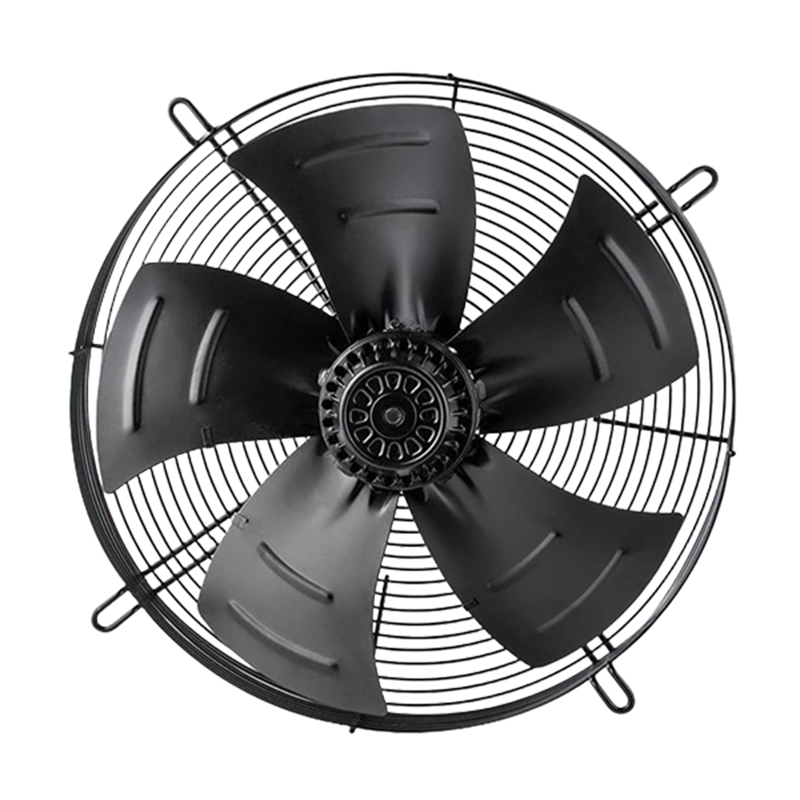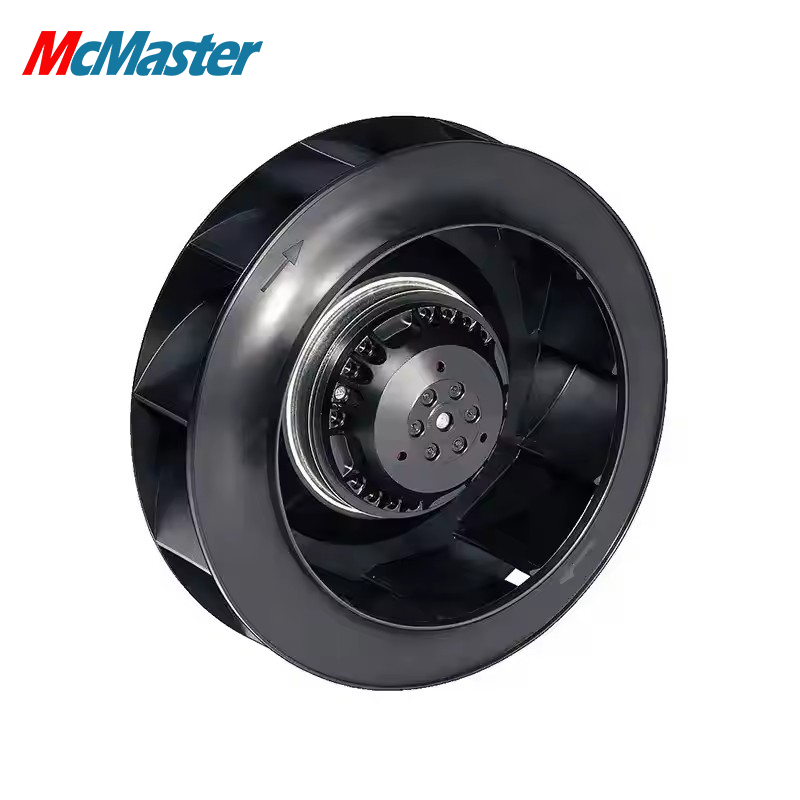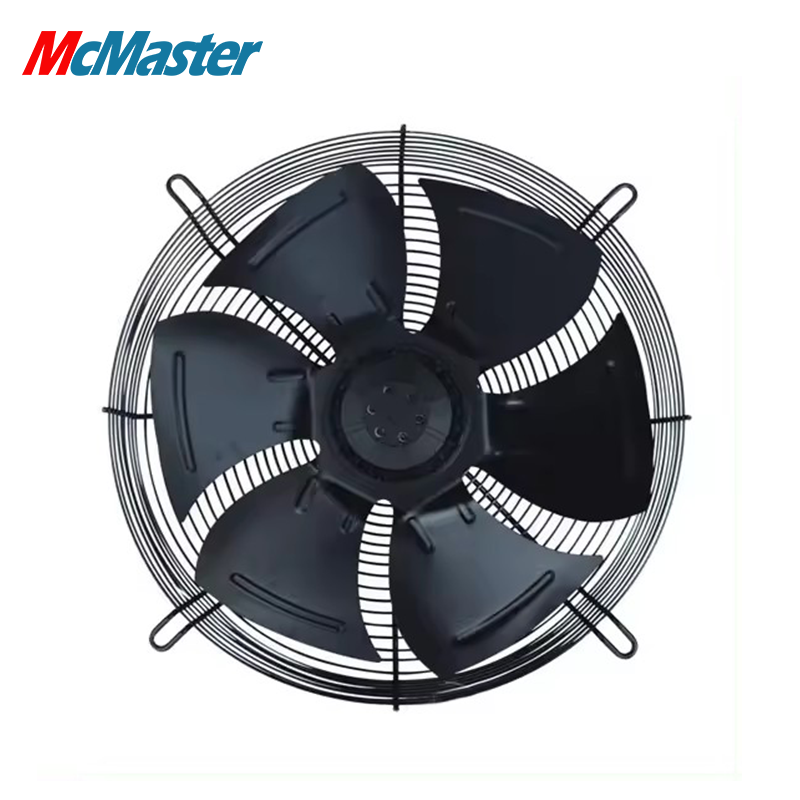
The right fan for ventilation is critical for maintaining air quality and temperature control in various industrial applications. As a B2B buyer, you may be concerned about specifications, performance, and how these fans will fit into your existing systems. This article will guide you through the essential factors to consider when selecting ventilation axial fan, ensuring you make an informed purchasing decision.
When evaluating a fan for ventilation, several key specifications should be prioritized:
Airflow Rate: Measured in cubic feet per minute (CFM), this specification indicates how much air the fan can move. Higher airflow is crucial for larger or more demanding applications.
Static Pressure: This measures the resistance to airflow within the ventilation system. Fans designed for high static pressure applications must be selected carefully to ensure sufficient performance.
Noise Level: The sound output of the fan, expressed in decibels (dB), is essential in environments where noise pollution must be minimized. Fans with noise-reduction technology may be beneficial for sensitive applications.
Motor Type: The choice between AC and DC motors can affect efficiency and control. DC motors are often more energy-efficient and provide better speed control.
Material and Durability: The fan's construction material impacts its lifespan and suitability for specific environments. For example, corrosion-resistant materials are vital for fans used in humid or harsh conditions.
Dimension and Space Requirements: Ensure that the fan fits within your designated space and meets the installation requirements of your system.
Understanding these specifications will help ensure that the chosen fan meets the operational demands of your application.
Evaluating the quality of ventilation fans involves a thorough review of several factors:
Manufacturer Reputation: Research manufacturers with a proven track record in producing reliable ventilation solutions. Companies like Changzhou McMaster Electric, with over 20 years of experience and a presence in 150 countries, are often more trustworthy.
Certifications: Quality certifications such as ISO 9001 indicate adherence to industry standards. Verify that the manufacturer complies with relevant safety and performance standards.
Performance Testing: Look for fans that have been rigorously tested under real-world conditions. Request performance data or case studies to gauge reliability.
Warranty and Support: A strong warranty reflects confidence in the product. Ensure the manufacturer offers adequate support and service options post-purchase.
Customization Options: Depending on your specific needs, the ability to customize features such as size, airflow, and materials can greatly enhance the suitability of the fan for your project.
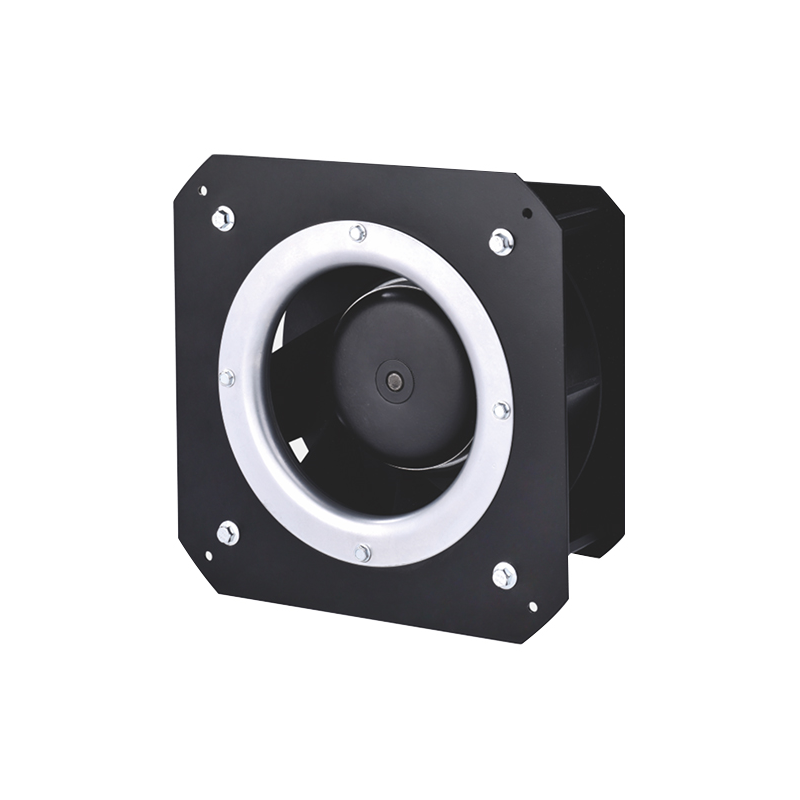
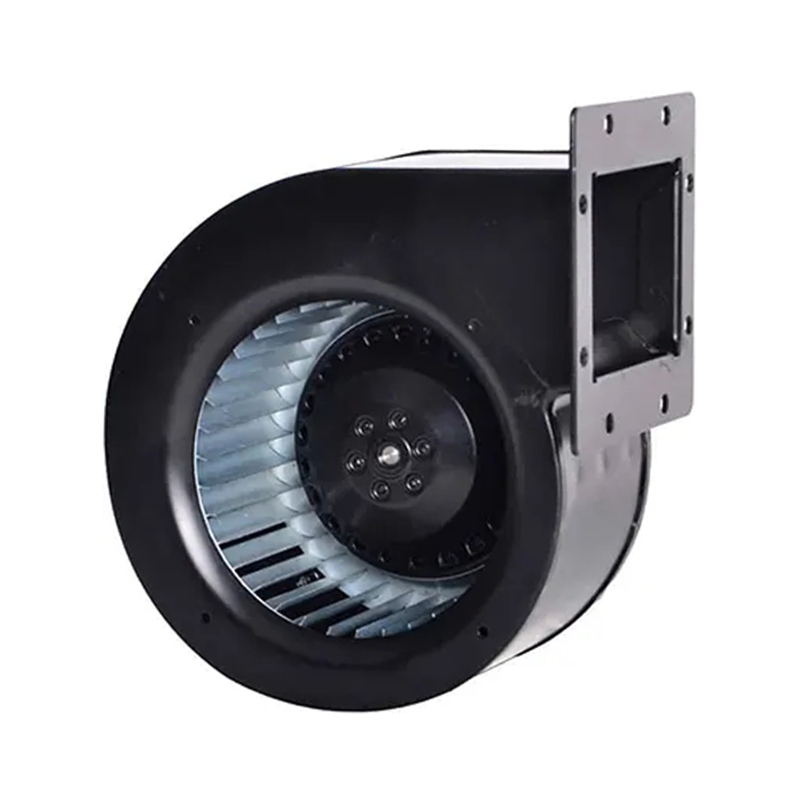
By systematically assessing these aspects, you can better determine the quality of ventilation forward curved fan and their fit for your requirements.
When purchasing ventilation fans in bulk, consider the following guidelines to streamline the process:
Minimum Order Quantity (MOQ): Understand the MOQ set by manufacturers. This can vary significantly and may impact your purchasing strategy.
Pricing Structure: Request detailed quotations that break down costs, including shipping and handling. Inquire about volume discounts for larger orders, which can lead to significant savings.
Lead Time: Establish the expected lead time for production and delivery. This factor is critical for planning your project timeline.
Shipping and Packaging: Confirm the packaging methods used to ensure safe transportation. Proper packaging can prevent damage during transit, which is crucial for sensitive equipment like fans.
Payment Terms: Discuss payment options and terms upfront. Understanding these details can help in budgeting and financial planning.
Samples: Before committing to a large order, request samples to evaluate performance and compatibility with your systems.
By following these guidelines, you can navigate the wholesale purchasing process efficiently and effectively.
Sourcing the right ventilation fan is more than a procurement decision; it affects the overall efficiency and effectiveness of your operations. Poorly chosen fans can lead to:
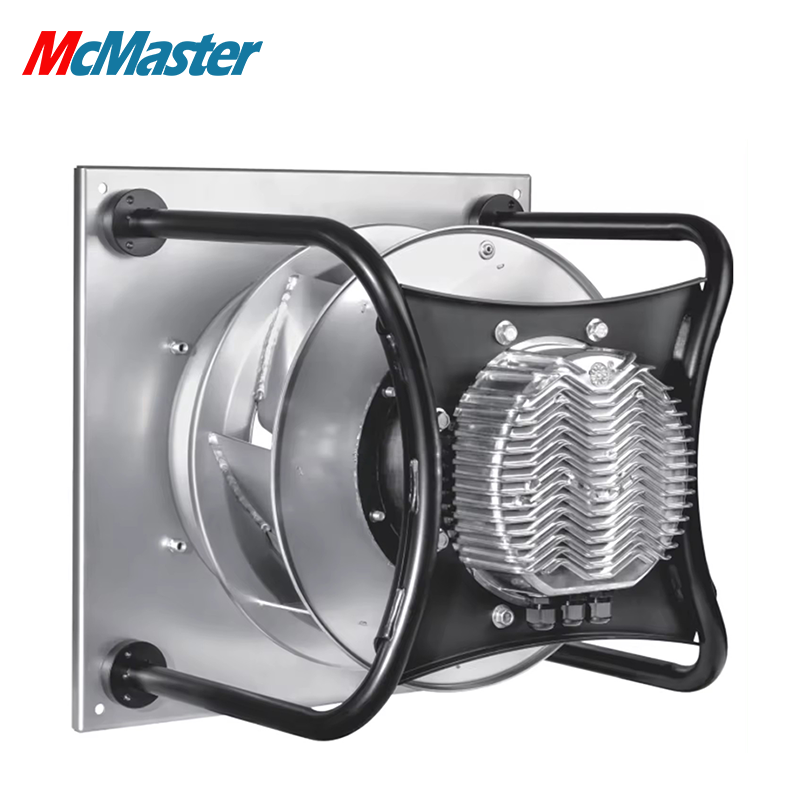
Increased Operating Costs: Inefficient ec fan hvac can consume more energy and lead to higher operational costs, impacting your bottom line.
System Failures: Inadequate airflow or improper installation can cause system failures, leading to costly downtime and repairs.
Health Risks: Inadequate ventilation can result in poor air quality, potentially affecting worker health and safety.
Regulatory Non-Compliance: Many industries have strict ventilation requirements. Non-compliance can lead to legal issues and fines.
By prioritizing the right specifications and quality in your sourcing process, you can mitigate these risks and ensure a reliable solution that meets your operational needs.
Ventilation fans have diverse applications across various industries, each requiring specific features:
Manufacturing: In manufacturing environments, fans must provide high airflow and static pressure to remove heat and contaminants. Durable materials that withstand harsh conditions are essential.
Automotive: In automotive facilities, ventilation fans help maintain air quality during painting and assembly processes. Low noise levels may also be a priority.
Medical and Health: Hospitals and laboratories require specialized fans that meet stringent hygiene and air quality standards. HEPA filters integrated with fans can enhance air cleanliness.
Robotics and Automation: Fans used in automated systems must be compact and energy-efficient. The ability to integrate with IoT systems for monitoring and control can also be beneficial.
Consumer Electronics: In electronics manufacturing, fans must minimize static electricity and provide precise airflow to sensitive components.
By understanding the specific requirements of your industry, you can select the most suitable ventilation fan for your application, ensuring optimal performance and compliance with industry standards.

 EN