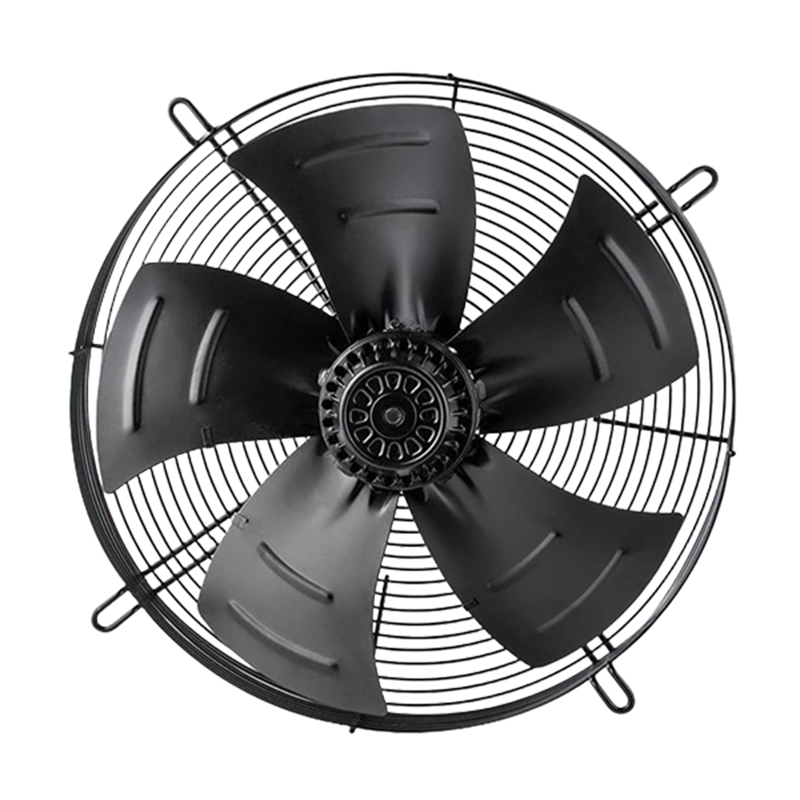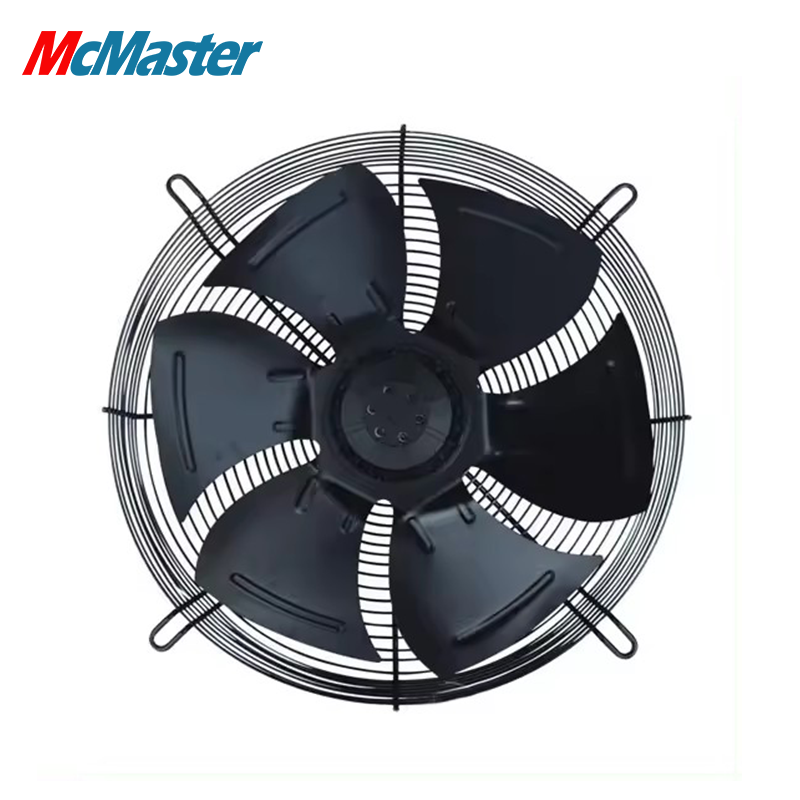
Axial wall fans are essential components in various industrial applications, designed to efficiently move air and ensure optimal ventilation in enclosed spaces. As a B2B buyer, understanding the specifications, suitability, and potential challenges associated with axial wall fans will help you make informed decisions for your organization. This article will delve into best practices, applications across different industries, common issues and solutions, material advantages, and effective wholesale purchasing strategies for axial wall fans.
When selecting axial wall fans for your projects, consider the following best practices:
Evaluate the Airflow Requirements: Determine the airflow needed for your specific application. Common measurements include cubic feet per minute (CFM) and static pressure, which will dictate the size and capacity of the fan required.
Select the Right Size: The diameter of the fan blades directly affects performance. Ensure the axial motor fan is sized appropriately for the space it will be installed in, as an oversized fan can lead to unnecessary energy consumption, while an undersized fan may not provide adequate ventilation.
Consider Environmental Factors: Assess the operating environment where the fan will be installed. Factors such as temperature, humidity, and exposure to chemicals can influence the choice of materials and design.
Prioritize Energy Efficiency: Opt for axial wall fans that comply with energy efficiency standards. These fans can help reduce operational costs and support sustainability initiatives within your organization.
Plan for Maintenance: Regular maintenance is crucial to ensure optimal performance. Create a maintenance schedule that includes cleaning, inspection of electrical components, and lubrication of moving parts.
Axial wall fans serve a wide range of applications across different industries:
Manufacturing Facilities: In factories, axial wall fans are used for cooling and ventilation, helping to maintain safe working conditions by removing heat and airborne contaminants.
Warehouses and Distribution Centers: These fans are instrumental in ensuring proper air circulation, reducing humidity, and preventing mold growth in large storage areas.
HVAC Systems: Axial fans are often integrated into heating, ventilation, and air conditioning systems to enhance air distribution and temperature control.
Agriculture: In agricultural settings, axial wall fans are utilized in greenhouses and livestock facilities to promote air circulation, which is vital for maintaining optimal growing conditions.
Automotive: In automotive assembly lines, these fans help manage heat buildup and ensure a comfortable working environment for employees.
Several common issues can arise with axial wall fans, but they can generally be addressed effectively:
Vibration and Noise: Excessive vibration can lead to noise and premature wear. Ensure that fans are installed on stable mounts and that they are balanced properly. Regularly check for loose components and address any misalignment.
Reduced Airflow: If airflow decreases, inspect the fan for obstructions and clean the blades regularly. Additionally, verify that the motor is functioning correctly and that there are no mechanical failures.
Electrical Failures: Overheating or electrical malfunctions can cause fans to fail. Regular electrical inspections are necessary, and using axial fan with built-in thermal protection can enhance reliability.
Corrosion: In harsh environments, corrosion can compromise fan integrity. Select fans with corrosion-resistant coatings or materials, such as stainless steel or aluminum, to extend their lifespan.
Material selection is crucial when purchasing axial wall fans, as it directly impacts performance, durability, and maintenance. Here are key considerations:
Aluminum: Lightweight and resistant to corrosion, aluminum is ideal for fans used in environments where weight is a concern. However, it may not be suitable for high-temperature applications.
Stainless Steel: Known for its strength and resistance to corrosion, stainless steel is perfect for fans in damp or corrosive environments, such as agricultural or chemical processing facilities.
Plastic: Plastic fans are often used in less demanding applications due to their lightweight nature and cost-effectiveness. However, they may not withstand high temperatures or harsh chemicals.
Coatings: Protective coatings can enhance the lifespan of fans made from various materials. Options include epoxy finishes or powder coating, which provide additional resistance to environmental factors.
When purchasing axial wall fans in bulk, consider the following strategies to optimize your procurement process:
Specify Requirements: Clearly outline the specifications needed for your fans, including dimensions, material, airflow capacity, and any customization requirements. This will help suppliers provide accurate quotes and recommendations.
Request Samples: Before committing to bulk orders, request samples to evaluate performance, fit, and quality. Testing samples under actual operating conditions can prevent issues later on.
Negotiate Pricing and Terms: Leverage bulk purchasing to negotiate favorable pricing, payment terms, and lead times with suppliers. Establishing long-term relationships can also lead to better terms for future orders.
Assess Supplier Capabilities: Evaluate potential suppliers based on their manufacturing capabilities, quality control processes, and delivery reliability. Ensure they can meet your specific demand and provide ongoing support.
Prepare for Logistics: Plan for shipping and handling well in advance. Consider factors such as freight costs, customs regulations (if applicable), and storage requirements upon receipt of the fans.
By following these guidelines, you can make informed decisions regarding industrial axial fans that will enhance your operations and support your business goals.

 EN