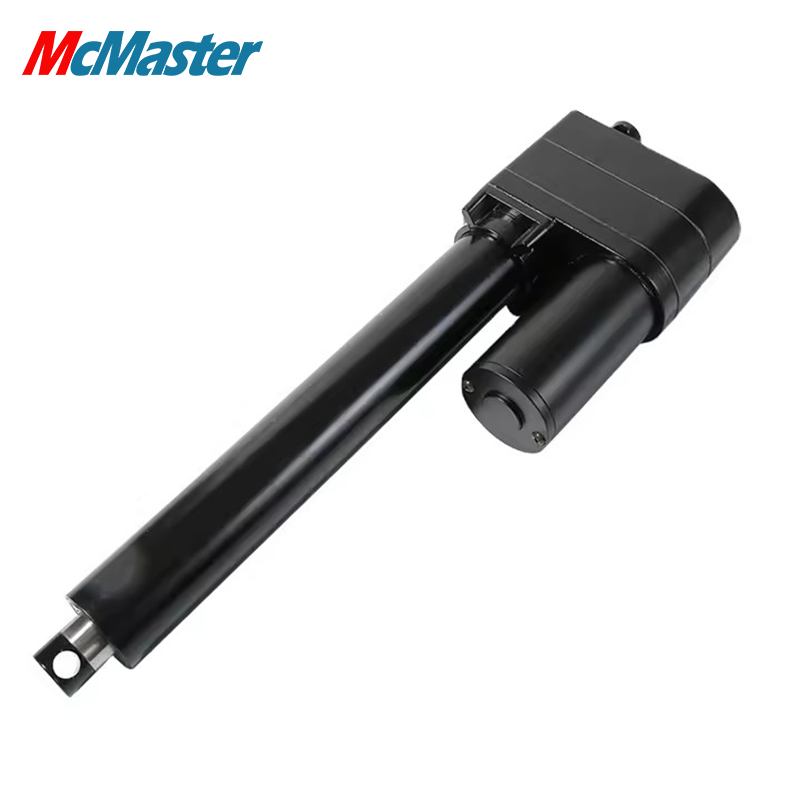
Electric linear actuators are vital components in various industrial applications, enabling precise and efficient movement for systems ranging from automation machinery to medical devices. As a purchasing manager or product manager, understanding the nuances of high speed electric linear actuator is crucial for selecting the right solution for your project. This article will guide you through essential considerations, specifications, sourcing options, cost factors, and key features to ensure informed purchasing decisions.
Selecting the right electric linear actuator begins with understanding your project’s specific requirements. Consider the following factors:
Load Capacity: Evaluate the maximum load the actuator must handle. This includes not just the weight, but also any dynamic forces during operation. Choosing an actuator with insufficient load capacity can lead to premature failure or operational inefficiencies.
Stroke Length: Determine the distance the actuator needs to move. Stroke length affects both performance and the overall size of the actuator, so it’s essential to ensure it aligns with your application.
Speed and Force Requirements: Assess the necessary speed for your application and the force the actuator must exert. These factors will influence the actuator's design and motor specifications.
Environmental Conditions: Consider environmental factors such as temperature, humidity and exposure to chemicals. Ensure the actuator’s materials and design can withstand these conditions.
Control Type: Decide on the control method for the linear actuator actuator. Options include analog, digital, or programmable controls, which can impact integration with existing systems.
Customization: If your project has unique requirements, look for manufacturers that offer customization options, such as specific dimensions or mounting configurations.
When evaluating specifications for bulk orders of electric linear actuators, focus on several key technical parameters:
Electrical Specifications: Check the voltage, current, and power ratings. Ensure compatibility with your existing electrical systems to avoid costly modifications.
Mechanical Specifications: Look for details on dimensions, weight, and mounting options. Proper fit is critical to ensure seamless integration into your application.
Performance Ratings: Review the actuator’s duty cycle, efficiency, and lifespan ratings. A higher duty cycle means the actuator can operate longer without overheating, which is particularly important for continuous operations.
Quality Assurance: Investigate the linear actuator 12v manufacturer’s quality control processes. Certifications and testing protocols ensure that the actuators meet industry standards for performance and safety.
Lead Times and Minimum Order Quantities (MOQ): Understand the lead times for bulk orders and any minimum order quantities. This information helps in planning your inventory and project timelines effectively.
Sourcing reliable electric linear actuators for wholesale requires careful consideration of potential suppliers. Here are some strategies to find trustworthy manufacturers:
Industry Trade Shows and Expos: Attending trade shows allows you to meet manufacturers in person, view their products, and discuss your specific needs. This direct interaction can help establish trust and ensure clear communication.
Online Marketplaces and B2B Platforms: Platforms like Alibaba or ThomasNet can connect you with multiple suppliers. Always check reviews, ratings, and past performance to gauge reliability.
Manufacturer Websites: Explore the websites of established manufacturers like Changzhou McMaster Electric, which offers a range of electric linear actuators tailored to various industries. Their product catalogs often include detailed specifications and application guides.
Networking and Referrals: Leverage your professional network to get recommendations on reliable suppliers. Colleagues or industry contacts can provide insights based on their experiences.
Sample Orders: Before committing to a bulk purchase, request samples to evaluate the quality and performance of the actuators. Testing samples under your specific conditions is crucial for confirming suitability.
The cost of electric linear actuators can vary significantly based on several factors:
Specifications and Features: More advanced features, such as higher load capacities or specialized materials, generally increase costs. Assess which specifications are non-negotiable for your application and which can be adjusted for cost savings.
Customization: Custom solutions often incur additional costs. Determine whether standard models can meet your needs or if customization is essential.
Volume Discounts: Many manufacturers offer discounts for bulk orders. Inquire about pricing structures based on order size, as purchasing in larger quantities can reduce the per-unit cost.
Shipping and Handling: Factor in shipping costs, which can vary based on destination and weight. Consider suppliers that offer efficient logistics solutions to minimize these expenses.
Warranty and Support: A robust warranty and customer support can add to the total cost but may be worth it for the assurance of quality and assistance in case of issues.
Electric linear actuators come with various features that enhance their functionality and application versatility:
Precision Control: Many actuators offer precise motion control, enabling exact positioning and repeatability. This is especially beneficial in applications like robotics and automation.
Energy Efficiency: Electric actuators typically consume less energy than pneumatic or hydraulic alternatives, leading to lower operating costs over time.
Low Maintenance: Electric linear actuators have fewer moving parts compared to traditional actuators, resulting in lower maintenance needs and reduced downtime.
Versatility in Applications: These actuators are used across various industries, including automation, medical equipment, and automotive, demonstrating their adaptability to different environments and requirements.
Quiet Operation: Electric actuators operate quietly, making them suitable for applications where noise levels must be minimized, such as in healthcare settings.
By considering these factors and features, you can select electric linear actuators that not only meet your project requirements but also contribute to the overall efficiency and effectiveness of your systems. With over 20 years of experience in the industry, Changzhou McMaster Electric is well-equipped to provide innovative solutions that align with your specific needs.

 EN