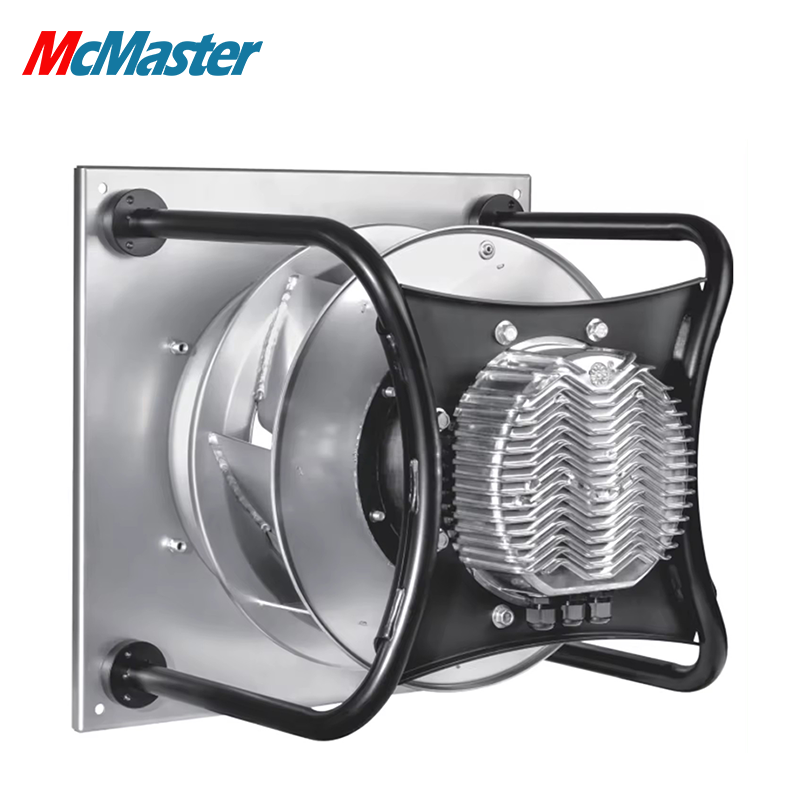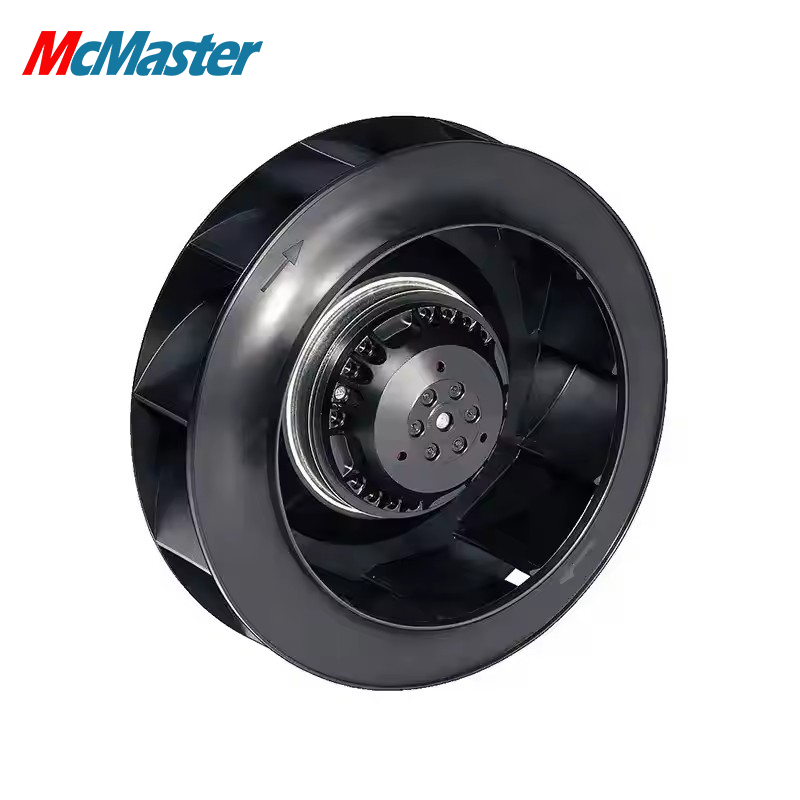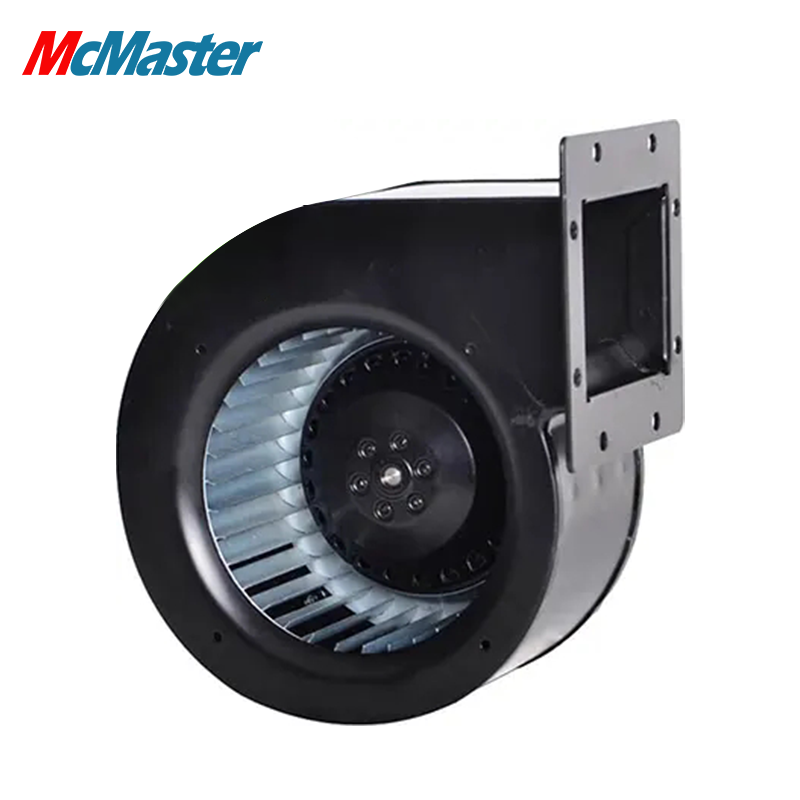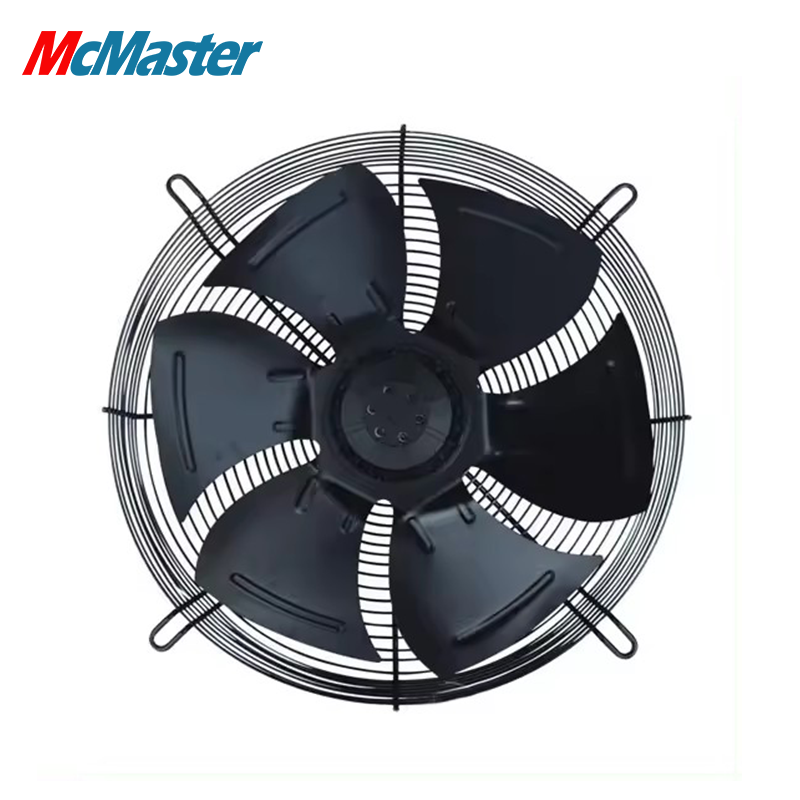
EC fan wall protectors are essential components designed to safeguard electronic components and systems within various industrial applications. McMaster Electric ec fan play a critical role in enhancing the longevity and reliability of equipment by protecting against environmental factors such as dust, moisture, and temperature fluctuations. For purchasing managers, engineers, and other B2B buyers, understanding the advantages and specifications of these products is vital for making informed decisions. This article will provide insights into the benefits, key specifications, quality evaluation, best practices, and cost factors associated with McMaster Electric ahu with ec fans.
EC fan wall protectors offer several advantages that significantly impact operational efficiency and equipment longevity. Firstly, they provide a barrier against contaminants, reducing the likelihood of dust and debris entering sensitive electronic components. This protection is particularly crucial in industries such as manufacturing, automotive, and medical sectors, where equipment reliability is paramount.
Secondly, these protectors can help maintain optimal temperature conditions. By controlling airflow and shielding components from external temperature variations, they contribute to the effective cooling of electronic systems. This McMaster Electric ec fans for ahus is especially important in high-performance environments where overheating can lead to equipment failure.
Furthermore, EC fan wall protectors can enhance energy efficiency. By optimizing airflow and reducing the burden on cooling systems, they can lead to lower operational costs. This aspect is particularly appealing to B2B buyers focused on sustainability and efficiency in their operations.
When sourcing EC fan wall protectors, several key specifications should be considered to ensure compatibility and performance.
Material Composition: The material used in the construction of the wall protector is critical. Common materials include durable plastics and metals, which provide varying levels of protection against environmental factors. Buyers should consider the specific conditions in which the product will operate, such as exposure to chemicals or extreme temperatures.
Dimensions: Accurate dimensions are essential for proper fit and functionality. Buyers should provide precise measurements when requesting quotes to ensure the product will fit seamlessly within existing systems.
Airflow Rating: The airflow rating indicates how efficiently the protector can manage air circulation. This specification is vital in applications where maintaining optimal airflow is crucial for component performance.
Ingress Protection (IP) Rating: The IP rating indicates the level of protection against dust and moisture. Higher IP ratings are necessary for environments exposed to harsh conditions, making it a critical factor for purchasing decisions.
Customization Options: Depending on specific application requirements, buyers may need to inquire about customization options, including size, color, and additional features such as filters or insulation.
Quality evaluation is a crucial step when considering bulk purchases of EC fan wall protectors. Buyers should focus on several key areas:
Supplier Reputation: Researching the manufacturer’s reputation is essential. Look for companies with extensive experience in producing protective components, such as Changzhou McMaster Electric, which has been a trusted provider in the industry since 2001.
Certifications: Verify any relevant certifications that demonstrate compliance with industry standards. This may include ISO certifications or other quality assurance processes that the manufacturer adheres to.
Quality Control Processes: Inquire about the supplier’s quality control measures. Reliable manufacturers should have rigorous testing and inspection processes to ensure that each product meets specified tolerances and performance criteria.
Sample Approval: Before committing to a bulk order, request a sample for evaluation. Testing the sample under actual operational conditions can provide insights into its performance, fit, and durability.
Customer Reviews and Case Studies: Look for testimonials or case studies that showcase the product's performance in similar applications. This real-world feedback can guide purchasing decisions and highlight potential issues.
To maximize the effectiveness of EC fan wall protectors, consider these best practices during the procurement process:
Detailed Specifications: When requesting quotes, provide detailed product specifications, including required materials, dimensions, and performance criteria. This clarity can help suppliers deliver accurate proposals.
Communication with Suppliers: Maintain open communication with potential suppliers to discuss specific needs or concerns. Engaging with manufacturers can reveal customization capabilities and additional product features.
Regular Maintenance Checks: Implement a schedule for regular inspections of installed fan wall protectors. This proactive approach helps identify wear and tear early, ensuring continued protection of electronic components.
Training for Installation: Ensure that installation teams are trained on best practices for fitting and maintaining wall protectors. Proper installation can significantly enhance the performance and longevity of the products.
Understanding the cost factors associated with bulk purchases of EC fan wall protectors is essential for effective budgeting:
Material Costs: Different materials come with varying price points. Assessing the trade-off between cost and performance can help in selecting the best option for specific applications.
Volume Discounts: Many suppliers offer discounts for bulk orders. Inquire about pricing structures based on order quantity to optimize cost-effectiveness.
Shipping and Handling Fees: Consider potential shipping costs, especially for large orders. These fees can significantly impact the overall cost, so factor them into the purchasing decision.
Lead Time: Longer lead times may sometimes result in cost savings, but they can also increase operational risks. Evaluate the trade-off between cost, lead time, and urgency of need when placing orders.
Total Cost of Ownership: Beyond the initial purchase price, consider the total cost of ownership, including maintenance, energy efficiency, and replacement cycles. A slightly more expensive product may offer greater longevity and lower operational costs in the long run.
By understanding the benefits, specifications, quality evaluation, best practices, and cost factors associated with EC fan wall protectors, B2B buyers can make informed purchasing decisions that enhance the efficiency and reliability of their industrial applications.

 EN